Dog Grooming Schedule by Coat Type, Age, and Lifestyle
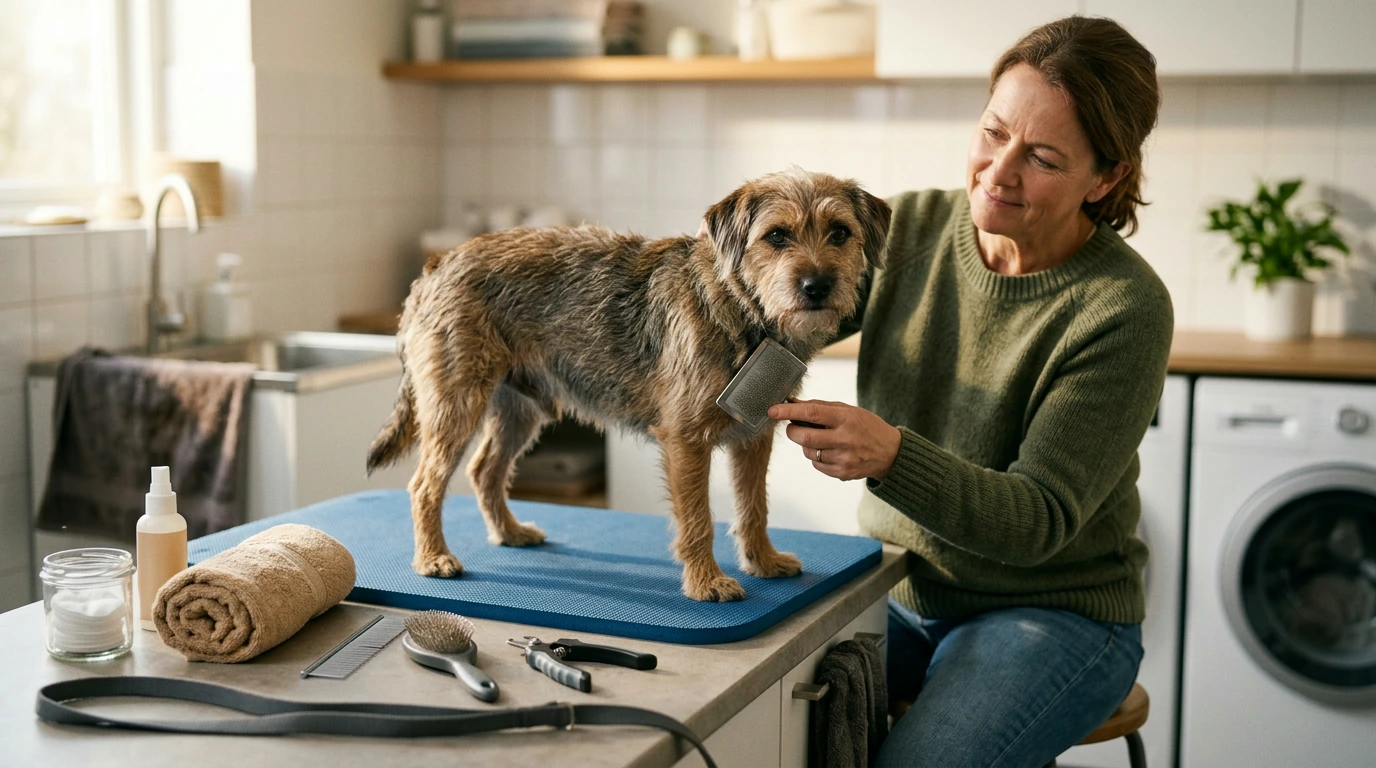
Paws and Polish: A Practical Dog Grooming Schedule for Every Coat, Age, and Lifestyle
A good grooming routine keeps skin healthy, reduces shedding and matting, helps spot issues early, and makes home care less stressful. Grooming frequency depends on coat type, activity level, and health needs—so a schedule that works for one dog may be too much or not enough for another.
Below is a flexible, real-life way to plan grooming so it stays consistent without turning into an all-day project.
What “grooming” includes (and why frequency matters)
Grooming is more than “a bath.” Each task supports comfort and health, and the right timing prevents small issues (like tangles or long nails) from becoming painful problems.
- Brushing/combing: removes loose hair, prevents mats, distributes natural oils, and reduces debris.
- Bathing: cleans skin and coat; too frequent bathing can dry skin if products aren’t suited to the dog.
- Nail trims: supports healthy posture and reduces painful splitting or snagging.
- Ear care: helps prevent odor, wax buildup, and moisture-related irritation—especially in floppy-eared or frequent-swimming dogs.
- Dental care: daily or near-daily brushing helps reduce plaque and gum disease risk.
- Coat maintenance: trimming, de-shedding, hand-stripping (certain breeds), and sanitary trims when needed.
- Early detection: routine grooming makes it easier to notice lumps, parasites, hot spots, dandruff, or changes in odor.
For additional general guidance, see the American Kennel Club’s overview of grooming basics: AKC — Dog Grooming.
A quick grooming schedule by coat type
Coat type is the biggest driver of how often brushing and professional trims are needed. Use the list below as a starting point, then adjust for your dog’s lifestyle and skin needs.
- Short, smooth coats (e.g., Beagle-type): brushing 1–2×/week; baths every 4–8 weeks (or as needed); nails every 2–4 weeks.
- Double coats (e.g., Husky-type): brushing 2–4×/week; during seasonal shedding, brief daily brushing; baths every 6–10 weeks; avoid shaving unless medically necessary.
- Long coats (e.g., Collie-type): brushing at least 3×/week; spot-detangle after outdoor time; baths every 4–8 weeks; consider professional trims to reduce matting.
- Curly/wavy coats (e.g., Poodle-type): brushing/combing 3–7×/week plus regular full comb-through; professional groom every 4–6 weeks; baths often align with trims.
- Wire coats (e.g., Terrier-type): brushing 1–3×/week; hand-stripping or clipping schedule varies (often 6–12 weeks); baths less frequent to preserve coat texture.
Baseline grooming frequency (adjust for your dog’s needs)
| Task | Typical frequency | Adjust upward when… | Adjust downward when… |
|---|---|---|---|
| Brushing/Combing | 1×/week to daily | Long/curly coat, seasonal shedding, mat-prone areas, frequent hikes | Very short coat with minimal shedding and indoor lifestyle |
| Bathing | Every 4–8 weeks | Allergies, frequent mud/saltwater, oily coat, odor persists despite brushing | Dry/sensitive skin, low-odor indoor dog, winter climate (with vet guidance) |
| Nail trim | Every 2–4 weeks | Clicks on floor, long quicks needing gradual trims, dewclaws snag | Naturally worn nails from safe, regular pavement walks (still check monthly) |
| Ear check/clean | Weekly check; clean as needed | Floppy ears, swimmers, yeast-prone history, allergy flares | Upright ears with no wax/odor (still inspect) |
| Teeth | Daily ideal; 3–4×/week minimum | Small breeds, prior dental disease, stinky breath, tartar buildup | Rarely appropriate—most dogs benefit from consistent brushing |
How age and lifestyle change the schedule
Once coat type sets your “baseline,” age and routine determine the fine-tuning.
Signs the routine needs adjusting
At-home basics that make grooming easier
For practical home grooming pointers, the ASPCA has a helpful overview: ASPCA — Grooming Your Dog.
When professional grooming helps most
A ready-to-use schedule and checklists
Simple weekly plan (adjust by coat and season)
| Day | 5–10 minute task | Optional add-on |
|---|---|---|
| Mon | Brush/comb | Paw check (cracks, debris) |
| Tue | Teeth brushing | Ear inspection |
| Wed | Brush/comb | Quick wipe-down (belly/legs) |
| Thu | Teeth brushing | Spot-detangle mat-prone areas |
| Fri | Brush/comb | Nail check (trim if due) |
| Sat | Teeth brushing | Bath if scheduled |
| Sun | Full body check | Record notes (shedding, itch, odor) |
Helpful digital tools and everyday essentials
If you want a structured, fill-in-friendly routine, Paws and Polish: How Often Should You Groom Your Dog (digital guide) is designed to make it easier to keep tasks spaced out and consistent.
For owners who do bath days at home or hit the trails often, a quick-change, easy-wash top can be handy: Men’s Quick-Dry Short Sleeve Sports Shirt – Lightweight Workout & Running Top. And if you keep a dedicated “pet corner” organized, a flexible personal reset routine can help some households stay consistent week-to-week: AI-Powered Checklist for Better Sleep Adventures (Digital Sleep Guide).
FAQ
How often should a dog be bathed?
Most dogs do well with baths every 4–8 weeks, but the right timing depends on coat type, skin sensitivity, allergies, and how often your dog gets dirty or swims. Use a dog-specific shampoo and adjust if you notice dryness, itching, or a dull coat after bathing.
How often should dog nails be trimmed?
For most dogs, nail trims every 2–4 weeks keeps feet comfortable and posture natural. If nails click on hard floors, snag on fabric, or dewclaws curl, it’s time—dogs with long quicks often need frequent small trims to shorten safely over time.
Do dogs need professional grooming if they’re brushed at home?
Many dogs can be maintained at home, especially short-coated breeds with minimal matting risk. Curly, long, and mat-prone coats often benefit from professional grooming every 4–6 weeks for trims, de-shedding, sanitary work, and paw pad hair maintenance while home brushing keeps the coat stable between visits.










Leave a comment