Break the Cycle of Negative Self-Talk in 3 Moves

How to break the cycle of negative self-talk?
Negative self-talk can feel automatic: a mistake happens, your mind supplies a harsh verdict, and that tone follows you into the next moment. Breaking the cycle isn’t about forcing “positive thoughts” on top of painful feelings—it’s about changing how you respond to the inner critic so it loses authority over time.
1) Catch the critic and name what’s happening
The first shift is noticing the pattern in real time. When you hear phrases like “I always mess this up” or “I’m not good enough,” pause and label it: “That’s my inner critic talking.” Naming creates distance, which makes it easier to choose a different response instead of spiraling.
2) Challenge the message with facts and a fairer frame
Ask a simple question: “What’s the evidence?” Replace all-or-nothing statements with accurate ones. “I ruined everything” can become “I made a mistake in one part, and I can fix it.” This isn’t sugarcoating; it’s correcting distorted thinking so your self-assessment matches reality.
3) Practice kinder self-talk that still feels believable
A helpful alternative voice is supportive, specific, and realistic. Try language you’d use with a friend: “This is hard, but I can take one step,” or “I’m learning.” Pair it with a small action—drink water, send the email, ask for help—so your brain links self-compassion with forward movement.
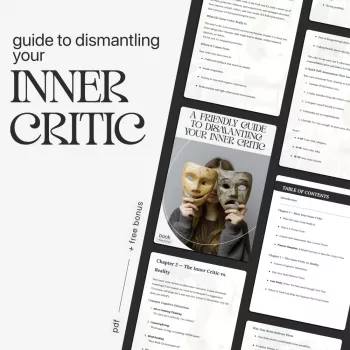
For a simple, step-by-step approach to quieting your inner critic and building kinder self-talk, visit this guide on Arystra.
For Break the Cycle of Negative Self-Talk in 3 Moves, the best answer depends on fit, material, care instructions, and how the product will be used day to day.
Checking those details first helps avoid a poor match and keeps the choice practical after delivery.
FAQ
What causes negative self-talk?
It often comes from learned habits—past criticism, perfectionism, stress, or anxiety—and it can become a default “safety” strategy to avoid failure. Over time, the brain repeats what it practices, even when it isn’t helpful.









Leave a comment