Cold-Weather Layering Checklist for Warm, Dry Comfort
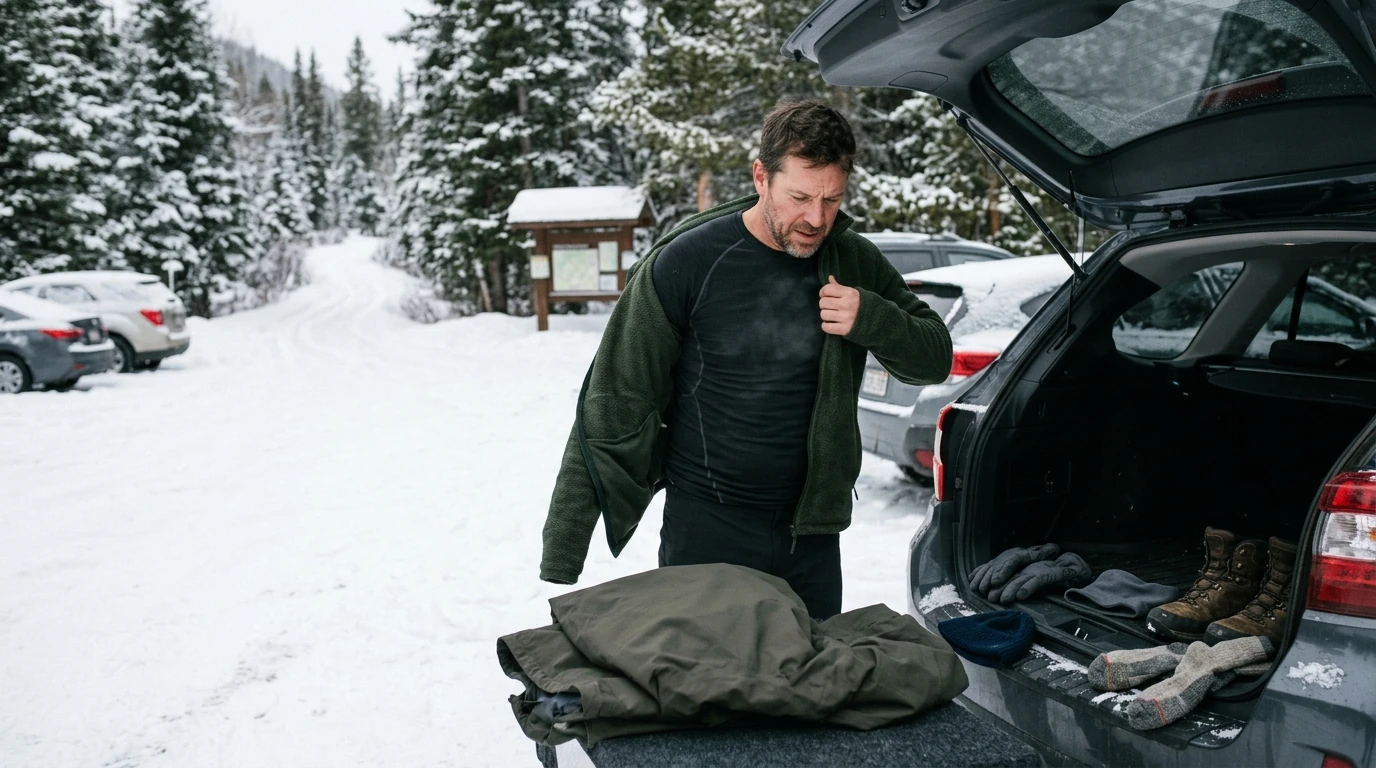
Cold-Weather Layering Checklist: Stay Warm, Dry, and Comfortable From Commutes to Trails
Cold conditions feel very different depending on wind, precipitation, activity level, and how long the body stays exposed. A reliable layering system prevents overheating, traps warmth efficiently, and keeps moisture away from skin so comfort lasts from the first step outside to the moment back indoors. If you want a quick, pack-ready reference, the Cold-Weather Layering Checklist is an easy way to double-check your setup before a commute, travel day, or trail outing.
Quick read: the layering system in three parts
- Base layer: manages sweat and keeps skin feeling dry; choose fabric weight based on temperature and exertion.
- Mid layer: provides insulation; stack thin, breathable pieces instead of one bulky layer for better control.
- Outer layer: blocks wind and rain/snow; ventilation and fit matter as much as waterproofing.
Before getting dressed: a 60-second conditions check
- Temperature plus wind: treat wind as a multiplier—strong wind can make mild cold feel severe. If your route is exposed (open streets, bridges, ridgelines), prioritize wind protection early. The National Weather Service wind chill chart is a useful reference when wind is a factor.
- Moisture forecast: drizzle and wet snow require better water protection; dry cold often needs more breathability than waterproofing.
- Activity and duration: high-output (shoveling, hiking uphill) needs lighter insulation and more venting; low-output (standing outside, slow walks) needs more trapped warmth.
- Where heat is lost: head, neck, hands, and feet get cold first; plan accessories as core layers increase.
Base layer checklist: stay dry to stay warm
- Fabric: merino wool or synthetic; avoid cotton because it holds moisture and chills the body when damp.
- Fit: close-to-skin without restricting movement; wrinkles and gaps reduce moisture transport.
- Weight: lightweight for active days; midweight for mixed activity; heavyweight for low-output or very cold weather.
- Coverage: long underwear tops and bottoms for sustained cold exposure; short sleeve can work under insulated pieces for brief outdoor time.
- Extras: consider a thin liner sock under a warmer sock to reduce friction and improve moisture movement.
If you prefer a light, fast-drying top for active layering (especially for “warm-then-cold” days where sweat management matters most), consider a performance shirt as your next-to-skin option, then build insulation over it. The Men’s Quick-Dry Short Sleeve Sports Shirt – Lightweight Workout & Running Top can be a practical base on higher-output days (then add an insulating mid layer and shell as needed).
Mid layer checklist: build insulation without bulk
- Primary insulator: fleece or light synthetic puffy for breathability; down is warm but can lose performance when wet unless protected.
- Stacking strategy: two thin mid layers often outperform one thick piece by creating adjustable warmth and better mobility.
- Vent control: full-zip or quarter-zip pieces help dump heat quickly; thumb loops can seal gaps at wrists.
- Movement test: reach overhead, bend, and twist—insulation that rides up exposes the waist and lets cold air in.
A simple rule: if you’ll be moving steadily, choose mid layers that breathe and vent. If you’ll be stopping often (waiting for transit, taking photos, kid sidelines), bring one extra warmth layer you can add the moment you slow down.
Outer layer checklist: wind and precipitation protection
- Wind blocking: a windproof shell can change comfort more than adding insulation, especially in open areas or on bikes.
- Water protection: choose water-resistant for short exposure; waterproof/breathable for sustained rain/sleet/wet snow.
- Key features: adjustable hood, hem and cuffs; high collar; pit zips or vents; pockets positioned above hip belt/backpack straps.
- Fit: enough room for mid layers without compressing insulation; too tight reduces warmth and restricts airflow management.
For a deeper breakdown of why breathable layers matter (especially when you’re active), REI’s layering overview is a helpful reference: Layering Clothing for Warmth.
Layering decisions by conditions
| Conditions | Base layer | Mid layer | Outer layer | Accessories priority |
|---|---|---|---|---|
| Dry cold + windy | Light to midweight wicking | Fleece or light puffy | Windproof shell | Neck gaiter, insulated gloves, windproof hat |
| Wet snow or sleet | Midweight merino/synthetic | Warm mid layer (avoid soaking) | Waterproof shell with hood | Waterproof gloves, warm socks, brimmed hood/hat |
| High-output activity | Lightweight wicking | Thin fleece or none uphill | Breathable shell or wind shirt | Thin gloves, headband, easy-to-remove hat |
| Low-output / standing around | Mid to heavyweight | Thicker insulation (fleece + puffy) | Windproof and water-resistant shell | Warm hat, mittens, insulated boots/socks |
Accessories checklist: the small items that prevent early discomfort
Common layering mistakes and fast fixes
When conditions get serious (especially if you’re far from warmth), prioritize safety as well as comfort. The CDC overview on cold exposure is a solid refresher: Prevent Hypothermia and Frostbite.
Pack-ready mini checklist for the day
A ready-to-use printable checklist
For a simple, repeatable system you can reference in seconds, keep the Cold-Weather Layering Checklist on hand so you’re not guessing when the forecast changes.
FAQ
How many layers are usually needed in cold weather?
Three core layers (base, mid, and outer) cover most cold-weather situations, with accessories filling the gaps. Add or subtract mid layers based on wind and how hard you’ll be working, and start slightly cool so you don’t sweat early.
Is wool or synthetic better for a base layer?
Merino wool resists odor well and stays warm even when damp, while synthetics typically dry faster and are often more budget-friendly. Choose based on your activity level and drying needs, and avoid cotton next to skin whenever possible.
What should be layered differently for wet snow or freezing rain?
Use a waterproof shell with a hood and rely on layers that keep insulating even if they get a little damp. Vent early to prevent sweat buildup, and bring a dry backup for hands and head since wet gloves and hats can end comfort fast.








Leave a comment