AI Mood & Stress Tracking: Simple Daily Check-Ins

Mood and stress can shift quickly—sometimes without obvious triggers. AI-assisted tracking can make those patterns easier to notice by organizing daily check-ins, highlighting trends, and suggesting reflection questions that support self-awareness. Used well, it becomes a practical layer of digital wellness: not a diagnosis, but a structured way to build awareness, spot stress hotspots, and strengthen self-care routines. Below is a clear, safe way to set up AI mood and stress monitoring, decide what to track, and turn insights into small, realistic actions—plus a workbook-style approach that makes consistency easier.
What AI-assisted mood and stress monitoring actually does
AI-based mood and stress monitoring is best thought of as organization and pattern-spotting. Instead of relying on memory, it helps turn daily observations into a usable record you can review.
- Turns scattered notes into a consistent log: mood ratings, stress levels, symptoms, sleep quality, energy, focus, and key events.
- Finds patterns over time: recurring low-mood days, stress spikes after certain meetings, or improved mood after movement and hydration.
- Creates reflection questions: quick questions that connect emotions to triggers, thoughts, and coping behaviors.
- Supports habit-building: reminders, check-in templates, and weekly summaries that reduce “blank page” friction.
- Important boundary: these tools can support awareness and planning, but they do not diagnose mental health conditions or replace professional care.
Common data points to track (and what they can reveal)
| What to track | Examples | What it can help you notice |
|---|---|---|
| Mood | 1–10 rating, labels (calm, irritable, hopeful) | Baseline mood, changes across weeks, emotional variety |
| Stress | 1–10 rating, body tension notes | Stress peaks, early physical warning signs |
| Sleep | Hours, bedtime/wake time, sleep quality | Mood-stress link to sleep debt or inconsistent schedule |
| Context | Workload, social time, news intake, caffeine | Situational triggers and protective activities |
| Coping actions | Walk, breathing exercise, journaling, screen break | What reliably helps (and what doesn’t) |
A simple setup: choose a method, then make it repeatable
The best system is the one that stays easy on your busiest days. Aim for one reliable home for your check-ins, then make the routine almost automatic.
- Pick one primary place to log: a notes app, spreadsheet, wellness app, or a dedicated digital workbook—avoid splitting data across too many tools.
- Use a 60-second daily check-in: mood rating, stress rating, one sentence about context, and one action taken.
- Add an optional layer only when needed: a short note on thoughts, body sensations, or a quick gratitude line.
- Schedule a weekly review: look for 1–2 patterns and choose one small adjustment for the next week.
- Keep it lightweight: consistency beats complexity.
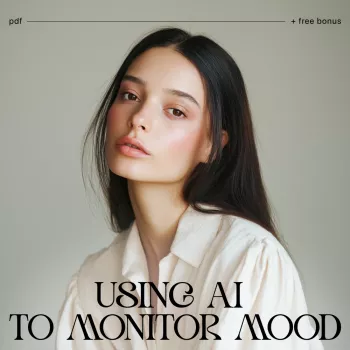
If you prefer a structured template instead of building your own, a workbook format can reduce decision fatigue. A dedicated option is Using AI to Monitor Mood and Stress – Digital Wellness Guide, AI Self-Care Workbook, Mental Health Tracking eBook for Mood Awareness & Stress Management, which is designed around repeatable daily and weekly pages.
Turning insights into action without overwhelm
Trend awareness matters most when it leads to small, testable adjustments. Think in “experiments,” not life overhauls.
For movement-based resets, wearing something breathable can remove a tiny barrier to actually doing the walk or quick workout. If you want a practical gear option, consider Men’s Quick-Dry Short Sleeve Sports Shirt – Lightweight Workout & Running Top for low-friction activity breaks.
Privacy and safety: what to protect when tracking mental wellness
For trustworthy educational resources on stress and mental health, see the American Psychological Association (APA) stress resources and the National Institute of Mental Health (NIMH).
Using a workbook approach to stay consistent
- Daily pages work best with: quick ratings, a short trigger note, one body signal, and one supportive action.
- Weekly pages work best with: trend summary, top triggers, top helpers, and one focus goal for the coming week.
- AI-friendly weekly support: ask for a brief, plain-language summary of what drove stress up or down, plus three small experiments based on what helped most.
- Product option: Using AI to Monitor Mood and Stress – Digital Wellness Guide, AI Self-Care Workbook, Mental Health Tracking eBook provides templates and a repeatable routine for mood awareness and stress management.
Who benefits most—and who should be cautious
Pairing mood tracking with better sleep habits
If you want a structured sleep companion that’s easy to reuse nightly, AI-Powered Checklist for Better Sleep Adventures | Digital Sleep Guide for Relaxation, Lucid Dreaming & ai suggestions for better dreams can pair well with mood tracking by keeping the sleep side simple and consistent.
FAQ
Can AI tools diagnose anxiety, depression, or burnout from mood tracking?
No. AI tracking can highlight patterns and possible risk signals, but it can’t diagnose mental health conditions. If symptoms are persistent, severe, or getting worse, a licensed professional can provide a proper evaluation.
How often should mood and stress be tracked for it to be useful?
A 1-minute daily check-in plus a weekly review is enough for most people to see trends without feeling overwhelmed. If daily tracking increases stress, try every other day or switch to weekly summaries.
What should be included in a mood and stress log besides a rating?
Add a short context note (what was happening), one body signal, sleep basics, and the coping action you tried—then rate whether it helped. Keeping the log simple makes it more sustainable and more accurate over time.








Leave a comment