Choosing a Heating Pad for Back Pain Relief
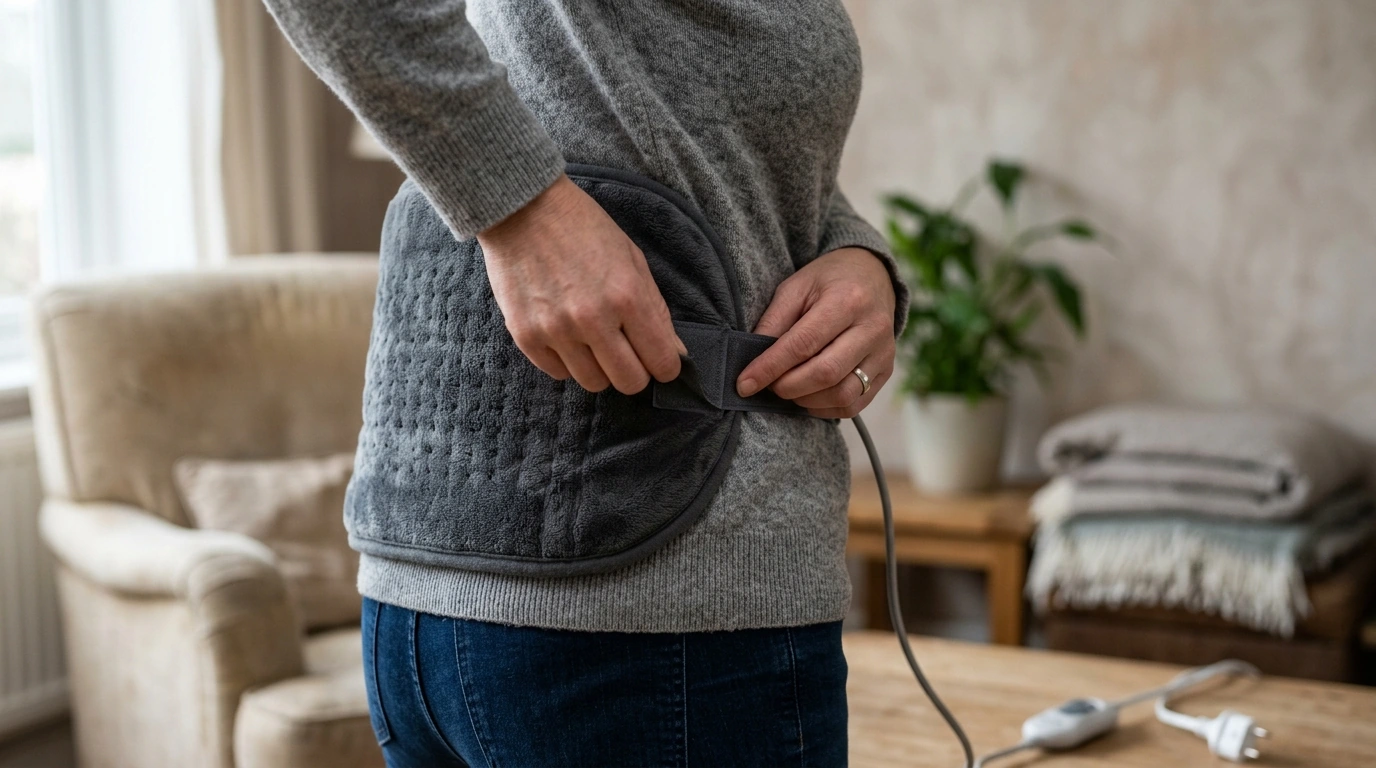
Which heating pads are good for back pain relief?
A heating pad that fits the sore area comfortably and delivers adjustable, even warmth is often a practical choice for back discomfort. The best style depends on where you need heat and how you plan to use it.
Choose a style that stays in place
A flexible electric pad can cover the lower or upper back while you sit or lie down. For targeted lower-back warmth, a wraparound belt may be easier to secure and less likely to shift. A larger pad can suit broader areas, while a moist-heat model may appeal to people who prefer humid warmth. Check the product instructions to learn whether a pad is designed for dry or moist use.
Look for useful comfort and safety features
Adjustable heat settings let you start low and find a comfortable temperature. An automatic shutoff can help limit use if you forget to turn the pad off, and a washable cover makes routine care easier. Before buying, check the pad’s dimensions, cord length, cleaning directions, and whether the manufacturer recommends using it while seated, lying down, or both.
Use heat carefully
Follow the product’s directions, place a fabric layer between the pad and your skin if instructed, and check your skin regularly. Avoid using a heating pad while sleeping or on numb or damaged skin. People with reduced sensation or circulation should ask a health professional before using one. Stop if the heat feels painful or causes redness that does not quickly fade. Seek medical advice for severe, persistent, or worsening back pain.
For more guidance on choosing and using an electric model, read this guide to electric heating pads.
For Choosing a Heating Pad for Back Pain Relief, the best answer depends on fit, material, care instructions, and how the product will be used day to day.
FAQ
How long should you use a heating pad on your back?
Use it only for the duration stated in the product instructions, and check your skin during use. Don’t fall asleep with a heating pad on; ask a health professional for advice if you’re unsure what’s appropriate for you.







Leave a comment