Ultralight Carbon Spinning Reel: Smooth 22lb Drag Guide
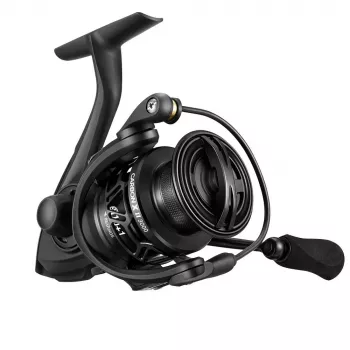
Ultralight Carbon Spinning Reel with 22lb Drag: Smooth Power for Finesse Fishing
An ultralight spinning reel can feel effortless in hand yet still needs enough drag strength and consistency to protect light line and keep fish pinned. A carbon-focused build helps reduce fatigue, while a strong, predictable drag system supports everything from stream trout to surprise inshore runs. The sweet spot is a reel that stays smooth when loaded, lays line evenly, and lets you fine-tune pressure without sudden surges.
What “Ultralight” Really Changes on the Water
Ultralight gear isn’t just about casting tiny lures—it changes how long you can fish well and how clearly you can “read” what’s happening at the business end of the line.
- Lower overall weight reduces wrist and forearm fatigue during high-cadence casting, jigging, and constant rod-tip work.
- Better balance on light-power rods improves sensitivity for small bites and subtle lure feedback.
- Ultralight setups reward smooth line lay and rotor stability; uneven winding shows up faster with thin braid or light mono.
- A strong drag rating only matters if it starts smoothly and stays consistent under heat and long runs.
Carbon Construction: Where It Helps (and What to Check)
Carbon-forward reels are popular in finesse fishing because they can keep weight down while maintaining a solid, connected feel during the retrieve. That said, “light” only works if it remains stable under load.
- Carbon body/rotor components typically reduce weight while maintaining rigidity for consistent gear alignment.
- Rigidity supports smoother rotation under load and can reduce a “geary” feeling when fighting fish with the drag engaged.
- Check for flex points: handle play, rotor wobble, and side-plate movement can show up as uneven retrieve under pressure.
- Pairing carbon with corrosion-resistant hardware matters if used near saltwater or in wet conditions.
If you occasionally fish brackish water or the surf, a quick rinse and careful drying goes a long way—also keep an eye on local rules and seasons via authoritative resources like Florida Fish and Wildlife Conservation Commission (FWC) and NOAA Fisheries.
Understanding 22lb Drag on an Ultralight Reel
A 22lb max drag rating sounds hefty for an ultralight reel, but it’s best viewed as overhead—not the setting you’ll actually fish with most of the time. For light lines and leaders, smoothness and control are far more important than raw maximum pressure.
- Max drag is a ceiling; practical settings for light line are far lower to prevent break-offs.
- Smooth start-up inertia is critical for 2–8 lb test and light leaders—drag that “sticks” can snap knots instantly.
- Heat management matters on long runs; a stable drag remains consistent rather than surging mid-fight.
- A higher drag rating can be useful when stepping up to braid (with a leader) or when fish dive into cover and controlled pressure is needed.
Practical Drag Settings for Common Light-Line Setups
| Line Type / Test | Suggested Drag Range | Best Use Cases |
|---|---|---|
| Mono 4 lb | 0.8–1.3 lb | Trout, panfish, open water finesse |
| Mono/Fluoro 6 lb | 1.2–2.0 lb | Creeks, small bass, light cover edges |
| Fluoro 8 lb | 1.6–2.6 lb | Finesse bass, walleye, cautious fish |
| Braid 10 lb + leader | 2.0–3.5 lb | Long casts, deep finesse, quick hooksets with cushion |
| Braid 15 lb + leader | 2.5–4.5 lb | Inshore light tackle, structure-adjacent presentations |
As a reference point for line classes and how line strength is treated in records and standards, the International Game Fish Association (IGFA) is a useful resource.
Smoothness Factors That Matter More Than Bearing Count
Bearings can help, but a reel that feels truly “buttery” during real fishing is usually the product of alignment, rigidity, and consistent line management.
- Gear alignment: Tight tolerances and a rigid frame help keep the retrieve smooth under load.
- Spool oscillation and line lay: Consistent winding reduces wind knots and improves casting with thin braid.
- Bail and line roller: A smoothly rotating roller helps prevent twist and reduces leader wear.
- Handle design: Minimal play at the handle and knob improves control when fishing micro-lures or steering a fish on light drag.
Best Pairings: Rod Power, Line, and Techniques
To get the most from an ultralight carbon reel with a high drag ceiling, pair it with a setup that casts easily, protects light leaders, and keeps hooks pinned with moderate pressure.
Care and Setup for Long-Term Performance
Featured Gear Picks (In Stock)
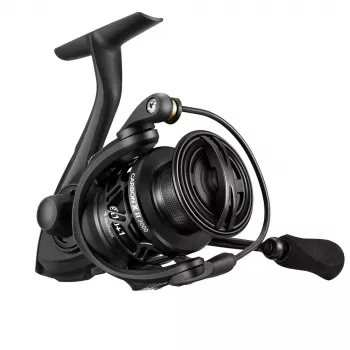
- Ultralight Carbon Spinning Reel 22lb Drag — lightweight handling for long finesse sessions, with the confidence to manage bigger fish or structure-adjacent fights when paired with a leader.
- Men’s Quick-Dry Short Sleeve Sports Shirt – Lightweight Workout & Running Top — a breathable option for warm-weather fishing, especially when you’re casting constantly or moving spot to spot.
FAQ
Is 22lb of drag too much for an ultralight setup?
No—22lb is a maximum rating, not the drag setting you should fish on light line. The key is a drag that starts smoothly at low settings and stays consistent so it protects light leaders instead of “sticking” and breaking knots.
What line works best with an ultralight carbon spinning reel?
For most finesse applications, 6–10 lb braid with a fluorocarbon leader offers excellent casting and sensitivity. For simplicity and fewer knots, 4–6 lb mono is forgiving—just pay attention to spool fill to reduce loops and twist.
How can drag be set correctly without guessing?
Use a small handheld scale (or a known hanging weight) and set drag around 20–30% of your line’s breaking strength, then adjust for cover and leader strength. Re-check after your first outing because drag washers can settle slightly.







Leave a comment