Electric Heating Pad for Body: Safe Heat for Daily Relief
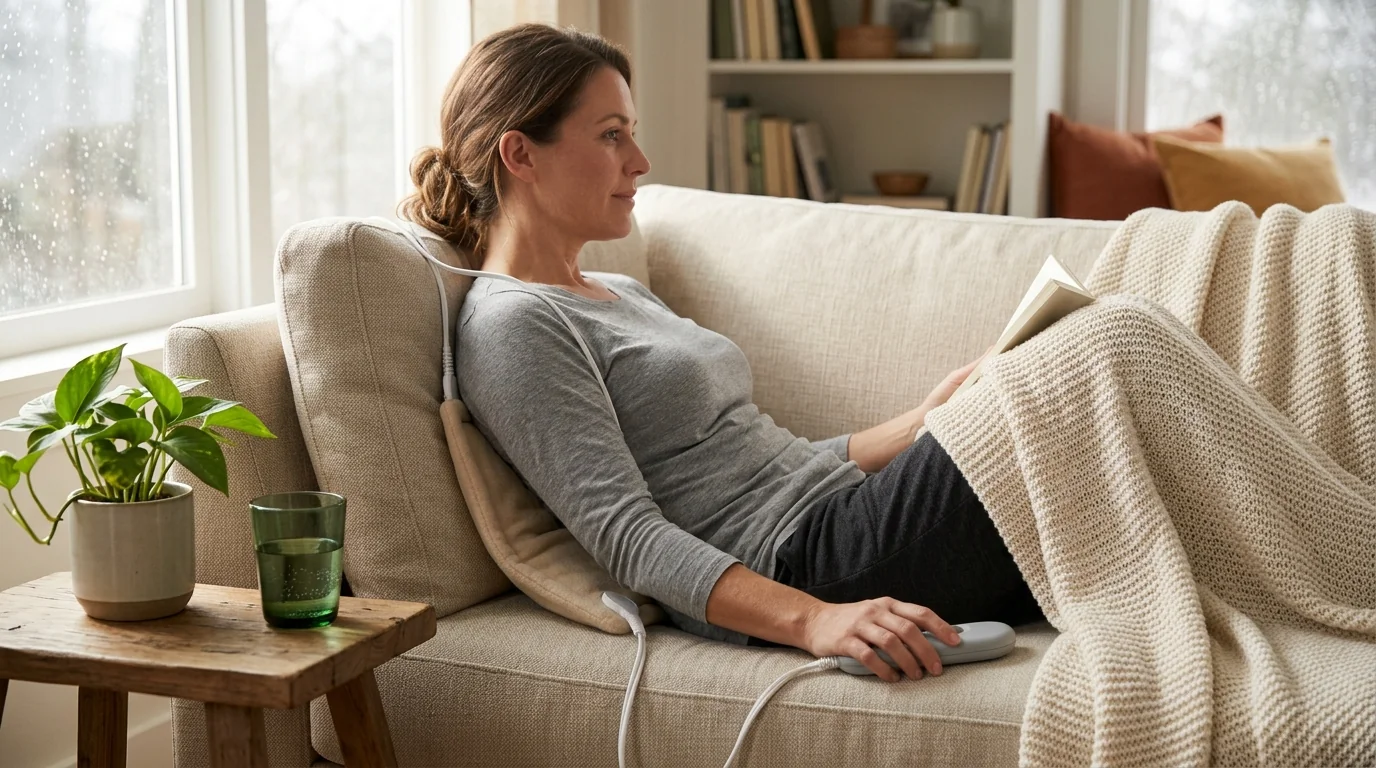
Electric Heating Pad for Body: Comfort, Recovery, and Safe Daily Use
An electric heating pad designed for full-body comfort can ease everyday aches, warm cold muscles, and support recovery after long hours at a desk or intense activity. The best experience comes from matching pad size and heat control to the body area, using it for the right amount of time, and following simple safety habits—especially for back, shoulders, neck, hips, and legs. For more guidance, see Heating Pads and Heat Lamps – Policy Article (A52502).
What Heat Therapy Can Do for Everyday Discomfort
Gentle heat is a simple way to make the body feel more comfortable. When warmth is applied locally, it can help muscles feel less tight and make stiffness feel less intense after sitting, training, or commuting. Many people reach for heat during back, shoulder, and neck tension—especially when the body is supported so the area can fully relax. For further reading, see Our 8 Best Heating Pads Reviews & Comparisons for 2026.
Heat can also feel soothing for menstrual cramps when placed over the lower abdomen at a comfortable, not-hot setting. During colder months, a heating pad can warm hands, feet, and legs without needing to heat an entire room. For best results, pair heat with habits that support daily comfort: gentle movement, hydration, and breaks from prolonged static posture.
Comfort Guide: Suggested Heat Levels and Typical Session Times
| Body area | Recommended feel | Typical session | Positioning tip |
|---|---|---|---|
| Lower back | Warm, not hot | 15–20 min | Lie on back with a pillow under knees to reduce strain |
| Shoulders/upper back | Moderate warmth | 10–15 min | Sit upright; drape pad across shoulders without bending neck forward |
| Neck | Low to moderate | 10–15 min | Avoid pressure on the pad; keep airway and chin neutral |
| Abdomen (cramps) | Low to moderate | 15–20 min | Place over clothing; stop if heat feels sharp or irritating |
| Hips/thighs | Moderate warmth | 15–20 min | Support leg with a cushion; avoid sleeping on the pad |
| Knees | Low to moderate | 10–15 min | Wrap loosely; ensure even contact without tight compression |
| Feet | Low to moderate | 10–15 min | Use as a warm surface; never fold tightly over toes |
Key Features That Make a Heating Pad Easier to Use
Not all heating pads feel the same day to day. Features that improve control and comfort often make the difference between “too hot” and “just right,” especially when switching between body areas.
- Heat levels: Multiple settings help tailor warmth for sensitive areas (neck/abdomen) versus larger muscle groups (back/hips).
- Auto shutoff: Helps reduce risk if a session runs long; still avoid using while asleep unless the product explicitly supports it and guidance is followed.
- Size and coverage: Larger pads suit back and legs; smaller pads are easier for neck, wrists, and targeted areas.
- Fabric feel: Soft covers improve comfort against skin; removable, washable covers are especially convenient.
- Flexibility: A pad that conforms to curves stays in contact without needing high heat.
- Cord length and controller: Enough reach for couch/bed use and controls that are easy to adjust without getting up.
Best Ways to Use Heat for Different Needs
After activity
After a workout, yard work, or a long day on your feet, moderate warmth for 10–20 minutes can help muscles relax. Follow the session with gentle stretching or easy range-of-motion—skip deep, aggressive stretching while the area is very warm.
Desk-day stiffness
For shoulders and upper back tightness, short sessions (10–15 minutes) can help. When the timer ends, stand up and move for 2–5 minutes to keep the benefit from fading quickly—walk, shoulder rolls, light thoracic twists, or a few hip hinges.
Cold sensitivity
If the goal is comfort rather than “treatment,” choose a lower heat setting for longer, gentler sessions. Stay alert to skin temperature changes and add a thin clothing layer if the warmth feels intense.
Cramp comfort
For menstrual cramps, keep heat gentle and steady. Pairing warmth with hydration and relaxed breathing can help reduce whole-body tension that makes cramps feel worse.
Sleep routines
Safety and Skin Protection Habits That Matter
Care, Cleaning, and Storage for Long-Lasting Comfort
A Simple Option for Everyday Warmth and Muscle Relief
If you want a ready-to-use option for general-purpose warmth and targeted relief sessions, consider the Premium Electric Heating Pad For Body.
For a more relaxing wind-down routine that pairs well with pre-bed heat sessions (used safely and turned off before sleep), the AI-Powered Checklist for Better Sleep Adventures | Digital Sleep Guide for Relaxation, Lucid Dreaming & ai suggestions for better dreams can help structure calming habits.
And for post-workout comfort routines, breathable gear can make cooldowns feel better—see the Men’s Quick-Dry Short Sleeve Sports Shirt – Lightweight Workout & Running Top.
FAQ
How long should an electric heating pad be used at one time?
Most comfort sessions fall around 10–20 minutes, especially at moderate to higher settings. Start low, check your skin during the session, and take breaks between rounds; always follow the manufacturer’s instructions for your specific pad.
Is it safe to use an electric heating pad while sleeping?
Sleeping on a heating pad is generally not recommended because you can’t monitor skin changes or reposition if the heat concentrates. Auto shutoff is helpful but doesn’t replace supervision, so it’s usually better to warm up before bed, then turn it off and remove it unless the product instructions explicitly allow sleep use.
Should heat or cold be used for sore muscles?
A common rule of thumb is cold for fresh injuries or swelling, and heat for tightness and stiffness. If pain is severe or includes significant swelling, numbness, or suspected injury, get medical guidance before continuing self-care.







Leave a comment