Jet Burner Heat Reactor Cook System for Fast Trail Boils
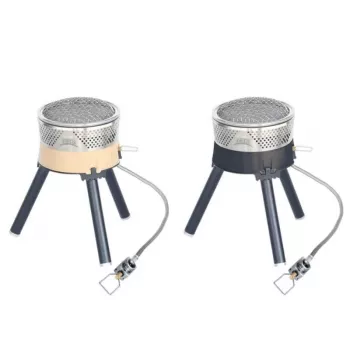
Portable Heat Reactor Cooking System – Jet Burner Stove for Camping & Backpacking
A compact cooking setup can make the difference between a quick hot meal and a slow, fuel-hungry boil when conditions change. This portable heat reactor cooking system pairs a jet burner stove with an integrated pot design to help concentrate heat, reduce wasted fuel, and support reliable cooking at camp, on the trail, or during quick roadside stops.
What a Heat Reactor Cooking System Is
A heat reactor cooking system is an integrated stove-and-pot approach designed to channel the flame and capture more heat where it matters: at the base of the pot. Instead of letting heat spill outward (and get carried away by wind), the system’s geometry focuses energy upward, which can translate to faster boil times and steadier performance in mixed conditions.
This style of setup is especially useful for simple trail meals—boiling water for freeze-dried food, rehydrating noodles, mixing instant oats, or making coffee and tea. Some systems also support light simmering, though they tend to excel most at “boil-and-pour” cooking. Another advantage is packability: integrated components often nest together into a smaller bundle than a separate stove plus a full-size backpacking pot.
Highlights That Matter on the Trail
- Faster boil times: Helpful when daylight is fading or weather is rolling in.
- Fuel efficiency: Reduced heat loss can mean fewer fuel canisters over a trip.
- Wind resistance benefits: Reactor-style pot bases often perform more consistently at exposed campsites.
- Packability: Components are commonly designed to nest for transport.
- Stability and handling: Pot supports, locking interfaces, and insulated grips can reduce tipping and hot-hand mistakes.
Efficiency also supports cleaner, simpler routines. Less burn time can mean less time hovering over a stove in cold air, and fewer fuel swaps in the middle of a trip.
When This System Is a Great Fit (and When It Isn’t)
This type of integrated cooking system shines for backpackers who prioritize quick hot water for dehydrated meals and hot drinks. It’s also a strong option for solo hikers or pairs who want a compact kitchen without piecing together separate cookware and a burner.
Shoulder-season camps can benefit too. Colder mornings and chilly evenings often slow down cooking, and a system designed to concentrate heat can help reduce the wait.
That said, an integrated pot-and-burner setup is generally less ideal for “gourmet camp cooking”—wide-pan frying, frequent stirring, or long simmers. It’s also not a replacement for a full camp kitchen if you’re feeding a group or building multi-dish meals where extra capacity and multiple cooking surfaces matter.
Quick Comparison: Integrated System vs. Standard Backpacking Stove
Use this chart to choose based on your cooking style, typical weather, and pack space. Integrated systems tend to prioritize speed and efficiency, while standard setups often prioritize flexibility and cookware options.
| Feature | Integrated reactor-style system | Standard stove + separate pot |
|---|---|---|
| Boil speed | Typically faster due to concentrated heat | Varies widely by burner and pot |
| Fuel use | Often more efficient in real-world conditions | Can be efficient with a good windscreen and pot choice |
| Wind performance | Usually stronger thanks to protected/channeled flame | Can struggle without wind protection |
| Cooking flexibility | Best for boiling and simple meals | Better for frying, simmering, and larger cookware |
| Packability | Often nests into a compact bundle | Depends on pot size and stove shape |
| Group cooking | Limited by pot size/capacity | Easier to scale up with larger pots |
Setup and Use Basics
Safety, Storage, and Maintenance
Ventilation is non-negotiable. Use any fuel-burning stove only outdoors or in well-ventilated areas because carbon monoxide can build quickly in enclosed spaces. The U.S. National Park Service highlights the importance of safe practices around heat and combustion in outdoor settings; review guidance before each trip at Backpacking Stove Safety (Carbon Monoxide and Ventilation).
For camp hygiene and wildlife safety, follow local regulations and best practices for cooking areas and food handling. The U.S. Forest Service “know before you go” resources are a practical baseline: Backcountry Food Storage and Cooking Safety. For low-impact cooking and cleanup habits, review Leave No Trace Principles.
What’s Included and What to Pair With It
Portable Heat Reactor Cooking System – Product Details
| Item | Details |
|---|---|
| Product | Portable Heat Reactor Cooking System – Jet Burner Stove for Camping & Backpacking |
| Price | $122.17 USD |
| Availability | In stock |
Other In-Stock Trail Picks to Pair with Your Kit
- AI-Powered Checklist for Better Sleep Adventures | Digital Sleep Guide for Relaxation, Lucid Dreaming & ai suggestions for better dreams (great for planning nighttime routines on overnights)
- Men’s Quick-Dry Short Sleeve Sports Shirt – Lightweight Workout & Running Top (a practical layer for warm hikes and active camp chores)
FAQ
Can a jet burner stove be used in windy conditions?
Yes, and reactor-style designs often handle wind better than open burners because the flame is more protected and the pot base captures heat efficiently. Still, cook in a naturally sheltered spot and avoid any setup that traps heat around the fuel canister.
Is it safe to use a camping stove inside a tent vestibule?
No—enclosed or poorly ventilated areas can quickly become dangerous due to carbon monoxide buildup and increased fire risk. Use the stove outdoors or only where there is ample ventilation and clearance.
How can boil times be improved on cold mornings?
Use a lid, start with a moderate flame for stable combustion, and shield the cooking area from wind without enclosing the canister. Keeping the fuel canister within safe temperature ranges (warmed by your body before cooking, not by a heat source) can also help maintain pressure and performance.






Leave a comment