Fish Feeding Routine: Portions, Timing & Daily Checklist
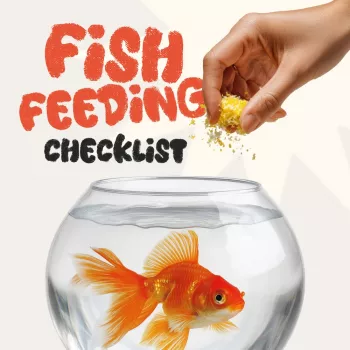
Fish Feeding Checklist: Daily Portions, Timing, and a Simple Routine for a Healthier Aquarium
Feeding fish is less about “more food” and more about consistent portions, the right frequency for the species, and watching what happens in the tank after every meal. A clear checklist helps prevent overfeeding, reduces waste that drives ammonia spikes, and keeps fish active without bloating or stress. Use the guidance below to set a dependable daily routine and adjust it based on fish behavior, tank size, and water quality.
Before Feeding: A 60-Second Tank Check
- Confirm fish behavior: normal swimming, responsive to movement, no gasping at the surface.
- Scan for leftovers from the prior feeding; remove any uneaten food before adding more.
- Check temperature and filter flow: sudden changes can reduce appetite or increase waste risk.
- Note any new fish, illness, or aggression: the plan may need temporary changes (smaller, more frequent meals; target feeding).
- Pick the right food form for mouth size: micro-pellets/flakes for small fish, sinking pellets for bottom dwellers, wafers for algae grazers.
If anything looks “off,” pause feeding and check water parameters. General care guidance from the University of Florida IFAS Extension and foundational aquarium husbandry references like the Merck Veterinary Manual emphasize that stable water quality and observation go hand-in-hand with healthy feeding habits.
How Much to Feed: Practical Portion Rules That Work
- Start with the 2–3 minute rule: offer only what fish fully consume within 2–3 minutes; for messy eaters, shorten to 1–2 minutes.
- Use tiny pinches: it’s easier to add a second small pinch than to remove excess that dissolves into the water.
- Measure pellets for consistency: begin with a small, repeatable count/measure (a tiny scoop or counted pellets) and adjust weekly based on leftovers and body condition.
- Match food density to fish size: small-bodied community fish typically need less than most keepers expect; large cichlids and goldfish produce more waste and benefit from stricter portion control.
- Account for stocking and filtration: more fish doesn’t always mean proportionally more food—waste processing becomes the limiting factor.
A simple way to “lock in” good portions is to keep the scoop you use next to the tank and commit to repeating the same amount for a week, then adjust based on what you observe (not on begging behavior).
How Often to Feed: Frequency by Fish Type and Life Stage
- Most adult community fish: 1–2 feedings per day, with one day per week lighter or skipped if water quality trends upward.
- Fry and juveniles: smaller meals 2–4 times per day; prioritize high-quality, correctly sized foods to support growth without fouling water.
- Bottom feeders and nocturnal species: add a sinking food after lights dim so they aren’t outcompeted.
- Herbivores and grazers: more frequent small feedings and/or daily vegetable options; remove produce within a few hours.
- Predatory fish: fewer, larger meals (often every other day depending on species) to mimic natural patterns and reduce chronic overfeeding.
Daily Feeding Checklist (Printable Routine)
- Choose a feeding window: keep timing consistent (morning/evening) to reduce stress and stabilize behavior.
- Pre-measure the portion before opening the tank lid to avoid accidental “extra pours.”
- Feed in two steps: add half the portion, wait 30–60 seconds, then add the rest only if fish are still actively feeding.
- Observe all zones: surface, mid-water, and bottom—ensure shy fish and bottom feeders get food.
- Remove uneaten food after 3–5 minutes (sooner for soft foods) using a net or siphon.
- Log quick notes weekly: appetite changes, cloudiness, algae bursts, or nitrate creep can point to portion issues.
Quick Feeding Guide by Tank Situation
| Situation | Best approach | Watch for |
|---|---|---|
| Newly set up tank (first weeks) | Underfeed slightly; prioritize stable water parameters | Ammonia/nitrite presence, cloudy water |
| Heavily stocked community tank | Smaller portions; consider 2 small feedings vs 1 large | Nitrate rising fast, leftover food |
| Mixed feeders (top + bottom) | Use floating food first, then sinking wafers/pellets | Bottom fish staying thin |
| Vacation or busy days | Skip a day or feed smaller portions rather than “extra” later | Overfeeding after missed meals |
| Fish recovering from illness | Tiny meals; remove leftovers promptly; adjust based on medication guidance | Refusal to eat, bloating |
Common Feeding Mistakes That Cause Cloudy Water and Sick Fish
Good hygiene matters beyond the fish food itself. The FDA’s aquatic pet guidance highlights the importance of clean hands and tank hygiene practices that help reduce contamination risks in and around aquariums.
How to Tell if Fish Are Underfed or Overfed
A Simple Weekly Plan That Protects Water Quality
Helpful Checklists and Routine Builders
- Fish Feeding Checklist – How Much Should You Feed Fish Daily? Complete Guide for Aquarium Care (digital checklist to standardize portions, timing, and observations)
- AI-Powered Checklist for Better Sleep Adventures | Digital Sleep Guide for Relaxation, Lucid Dreaming & ai suggestions for better dreams (a separate checklist format that can be repurposed for building consistent daily routines)
FAQ
How many times a day should aquarium fish be fed?
Most adult community fish do well with 1–2 feedings per day. Fry and juveniles usually need smaller meals 2–4 times daily, while predators often eat less frequently; adjust based on leftovers and water-test trends.
Is it okay to skip feeding fish for a day?
Healthy adult fish can usually handle an occasional skipped day, and it can help reduce waste buildup. Avoid skipping for fry/juveniles and follow specific guidance for sick fish, especially if medication requires feeding.
How do you know if you are overfeeding fish?
Common clues include leftover food, cloudy water, faster algae growth, rising nitrates, and bloated fish. Reduce the portion, remove uneaten food promptly, test water, and increase maintenance temporarily until parameters stabilize.









Leave a comment