Budget Airline Hacks: Cut Fees, Pack Light, Fly Easy
Smart Hacks for Flying Budget Airlines: Booking, Packing, and Flying Smarter
Budget airlines can unlock genuinely low fares—but only if you play the same game they do. The base ticket is often just the entry price. Bags, seats, boarding order, and even simple changes can quickly turn a “steal” into a regret. The good news: a few repeatable habits can keep your total trip cost predictable while making the experience smoother from booking day to touchdown.
Know the Budget Airline Playbook (So Fees Don’t Win)
Low-cost carriers design pricing to look unbeatable upfront, then earn profit through add-ons like carry-ons, checked bags, seat selection, priority boarding, and ticket changes. That isn’t “bad”—it’s just a different model. The mistake is shopping only by the headline fare.
Before you commit, review the rules for your specific route and fare class on the checkout page. Policies can vary by country, airport, and even flight number. Also check the airport: budget hubs may use secondary airports, where ground transportation can cost more (and take longer) than the fare difference you were excited about.
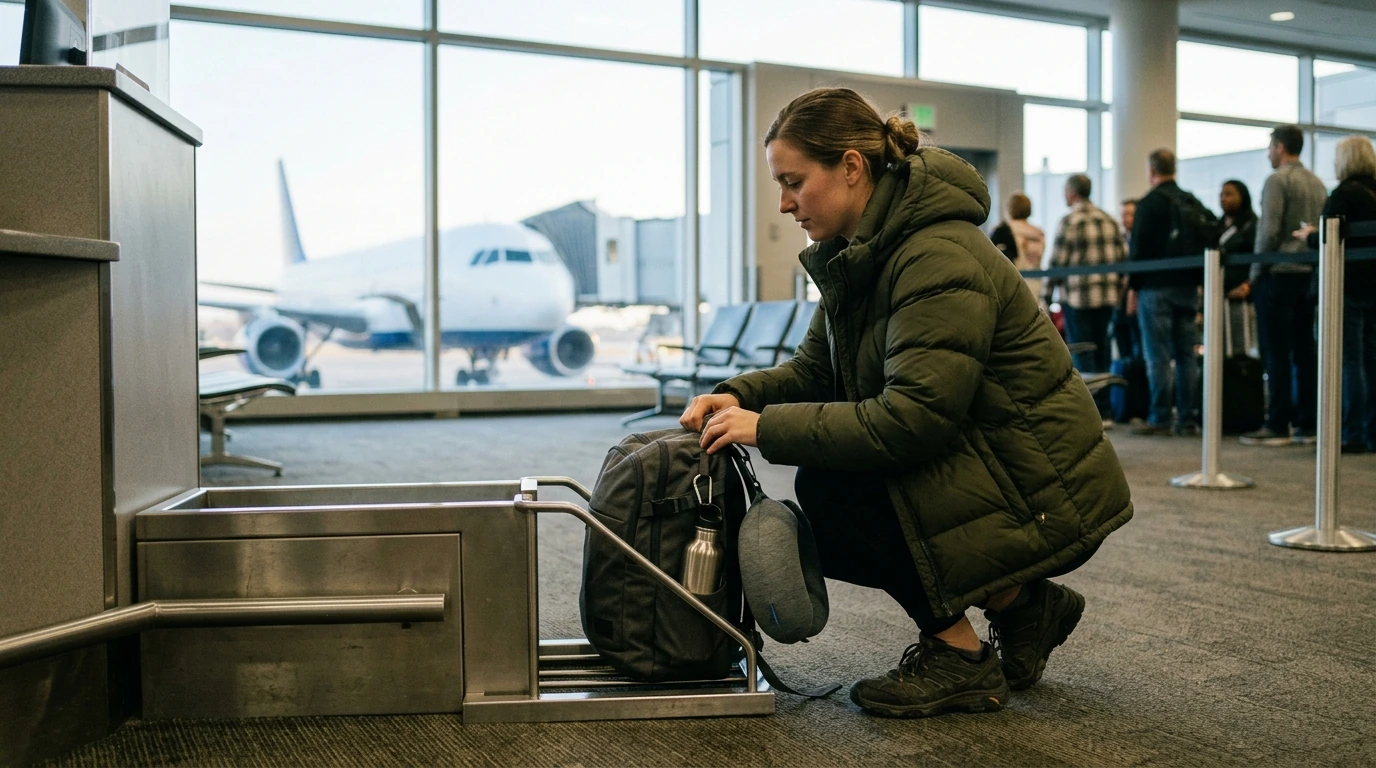
Finally, assume strict enforcement. Bag sizers at the gate, firm boarding cutoffs, and tighter ID checks can be more consistent than on full-service airlines. A personal item that “usually passes” is a risk if it’s overstuffed.
Booking Smarter: Timing, Routes, and Add-Ons That Matter
The best budget-airline bookings come from comparing the total trip cost, not just airfare. Add up: carry-on fee, checked bag, seat selection, payment/booking fees, and ground transport to the airport. A slightly higher fare can be cheaper overall if it includes what you’d otherwise buy.
Flexibility pays twice: early-morning departures and midweek flights often reduce fares and can lower delay odds (aircraft and crews are less “behind” early in the day). If you’re open to nearby airports, compare total travel time door-to-door—not just price.
Use fare alerts across multiple date ranges, then re-check after major schedule changes or seasonal route launches. When booking, skip add-ons you won’t truly use. For example, if you’re traveling solo and can check in the minute it opens, random seating may be fine.
Bundles deserve a quick calculation. Sometimes a “basic plus bag” bundle beats buying items separately, but only if the inclusions match your real needs. And if one-way tickets on different carriers are cheaper, remember: separate tickets mean separate check-ins, and missed connections can become fully your problem.
Common Add-Ons and When They’re Worth It
| Add-on | When to skip it | When to buy it |
|---|---|---|
| Seat selection | Traveling solo, flexible about where to sit, can check in right when it opens | Need to sit together, want an aisle for mobility/comfort, tight connection and want to deplane faster |
| Priority boarding | Only a small personal item, no need for overhead bin space | Carry-on is included but bins fill fast; want less boarding stress |
| Carry-on bag fee | Can pack into an under-seat personal item | Trip length or gear requires a larger bag and you want to avoid checked luggage |
| Checked bag | Short trip or capsule wardrobe; laundry available | Bulky items, gifts, liquids, sports gear; strict personal-item limits |
| Change/cancel protection | Plans are firm and savings are the goal | High chance of date changes; long lead time before travel |
Personal-Item Packing: The Highest-Impact Money Saver
If there’s one habit that consistently protects your budget, it’s mastering the personal item. Start by measuring your bag against the airline’s posted dimensions and aim a bit under. A bag that’s “technically fine” but bulging at the seams can fail a sizer in a hurry.
Build a capsule wardrobe: neutral tops, one mid-layer, one outer layer, and bottoms that mix-and-match. Pack a security-ready pouch so you’re not digging at the checkpoint: liquids in a clear bag, small tech in one pocket, metal items easy to remove. If permitted, bring a flat foldable tote to organize at your destination without becoming a “second bag.” For current screening rules, confirm items ahead of time on the TSA “What Can I Bring?” page.
Airport Tactics: Check-In, Boarding, and Gate Survival
On-Board Comfort Without Paying Premium Prices
Irregular Ops: Delays, Cancellations, and Protecting the Trip
Keep receipts for essentials during major delays, and understand that reimbursement rules differ by region and carrier. For U.S. trips, review the U.S. Department of Transportation Fly Rights. For flights covered by EU rules, check the European Commission’s air passenger rights.
Quick Checklist: The Night Before and Travel Day
Pocket Guide for Repeat Trips
Helpful Trip Tools (In Stock)
- Smart Hacks for Flying Budget Airlines | Travel Guide for Cheap Flights | Essential Budget Airlines Tips and Tricks for Booking, Packing & Flying Smarter
- AI-Powered Checklist for Better Sleep Adventures | Digital Sleep Guide for Relaxation, Lucid Dreaming & ai suggestions for better dreams
- Men’s Quick-Dry Short Sleeve Sports Shirt – Lightweight Workout & Running Top
FAQ
How can fees be avoided on budget airlines?
Keep everything inside a true personal item, skip optional add-ons you don’t need, and check in as soon as it opens. Before paying, compare the full trip cost (bags, seats, payment fees, and ground transport), not just the base fare.
Is it better to buy a carry-on online or at the airport?
Online is almost always cheaper. Airport and especially gate purchases tend to be the highest-priced option, so add a carry-on during booking or as early as possible in Manage Booking if you think you’ll need it.
What happens if a personal item doesn’t fit the sizer?
You may be charged to treat it as a carry-on or checked bag, often at a higher last-minute rate. Remove bulky layers, flatten straps and pockets, and rearrange contents to reduce the “bulge” before trying the sizer again.









Leave a comment