AI Beauty Trend Predictions: A Skincare Vetting Checklist
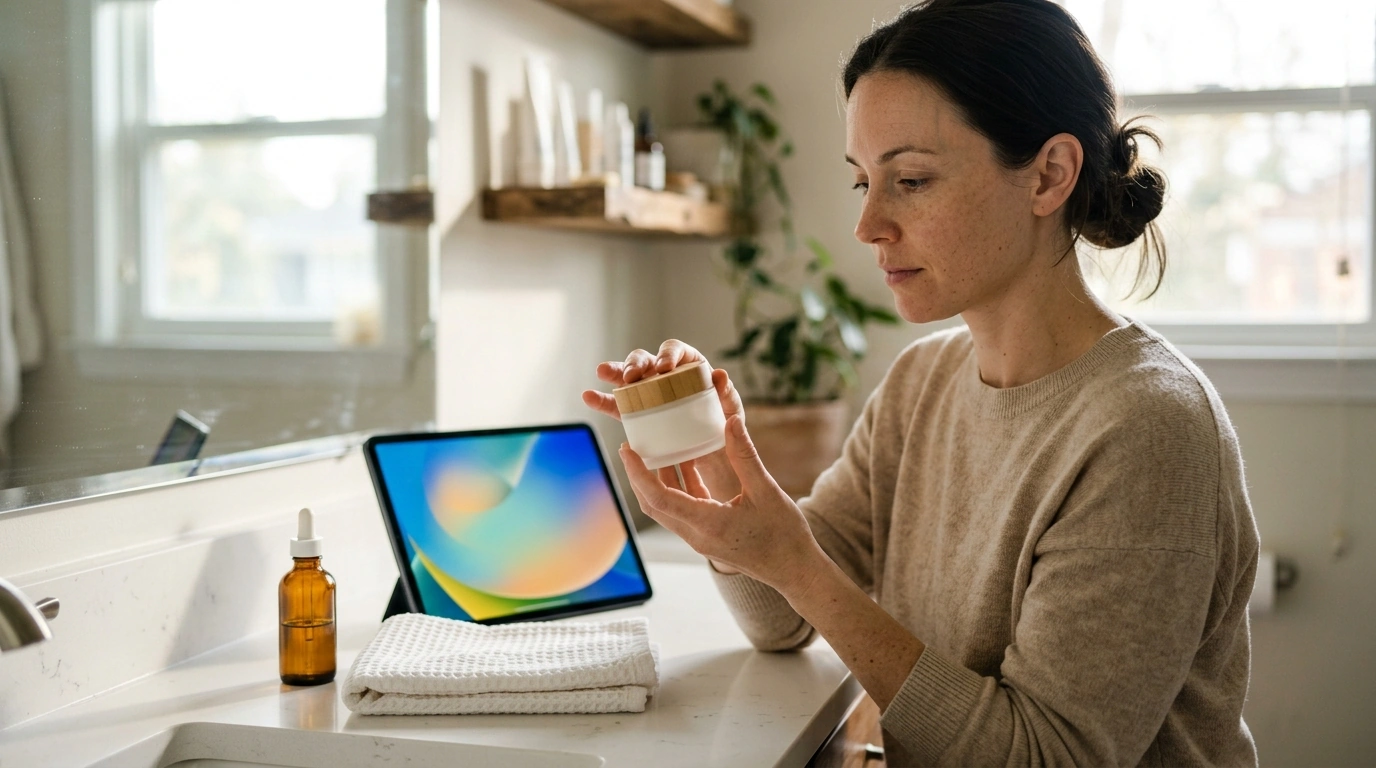
AI Beauty Trends Decoded Checklist: What the Next Wave of Skincare and Beauty Could Look Like
AI is changing how beauty trends are spotted, tested, and personalized—often faster than traditional product cycles. Instead of waiting for a seasonal launch calendar, trend models can detect early shifts in ingredient chatter, routine formats, and device interest while they’re still “niche.” The smart move is to treat those predictions like leads to investigate, not guarantees of results. Use the checklist approach below to sort what’s worth trying now from what’s likely to fade once the hype cools.
What “AI beauty trend predictions” usually measure (and what they miss)
Most AI-driven beauty forecasts are built from patterns pulled from social listening, search behavior, shopping data, reviews, before/after images, influencer posting rhythms, and—sometimes—aggregated lab or clinical data. When a model sees a spike in mentions (or an unusual change in sentiment), it flags a trend early, before mass retail shelves catch up.
That speed is also why trend forecasts can feel “instant.” Models are excellent at noticing new combinations—like a rising ingredient paired with a routine format (“skin cycling,” “slugging,” “barrier reset”)—even when consumer understanding is still shallow.
Common blind spots are worth remembering:
- Demographic bias: training data may under-represent deeper skin tones, older skin, acne-prone skin, or specific conditions.
- Viral distortion: one viral video can outweigh thousands of quiet, consistent experiences.
- Missing context: season, climate, geography, and medication use can change outcomes dramatically.
- Correlation vs. causation: “People are talking about it” is not the same as “it works.”
A practical filter: use AI predictions as signals to investigate (formula, evidence, safety), not proof that a product or routine is effective.
The biggest shifts AI signals for skincare’s future
1) Personalization becomes routine
Expect more skin profiling, adaptive routines, and product matching based on concerns, tolerance, climate, and lifestyle. Personalization works best when it’s grounded in basics: what you can tolerate consistently and what you’ll actually use.
2) Barrier-first skincare stays dominant
“Calm/repair” positioning isn’t just marketing—many consumers are recovering from over-exfoliation. AI trend signals continue to favor fewer steps, gentler actives, and moisturizers designed to reduce stinging and dryness.
3) Evidence gets repackaged
More brands will translate clinical language into friendly claims. It’s still important to check what outcomes are measured (hydration, transepidermal water loss/TEWL, redness scores, acne lesion counts) and whether the timeframe matches skin biology. For general ingredient and routine guidance, cross-check with sources like the American Academy of Dermatology (AAD).
4) Ingredient storytelling evolves from heroes to systems
Instead of one “star” ingredient, trend cycles are moving toward systems: barrier lipids + humectants + anti-inflammatory support, or pigment control blends that balance brighteners with irritation reducers.
5) Hybrid beauty keeps rising
Skincare-makeup crossovers—tints with skincare actives, SPF-first complexion products, and skin-like finishes—continue to gain interest because they fit real habits (people want fewer steps, not more).
Decoded checklist: trend signals and what to do next
Before adding anything new, run four quick questions:
AI-Driven Beauty Trend Signals: Meaning, Actions, and Watch-Outs
| Trend signal | What it often indicates | Checklist action to take | Watch-outs |
|---|---|---|---|
| Sudden surge in an ingredient name | New marketing cycle or reformulation wave | Check concentration range, formulation type, and compatible routine slot | Irritation risk if stacked with similar actives; weak evidence if claim is vague |
| “Skin cycling” and routine scheduling | Consumers seeking lower irritation and simpler routines | Map actives to 2–3 nights/week, keep barrier nights truly gentle | Overcomplication; too many actives still leads to sensitization |
| At-home devices trending (LED, microcurrent, etc.) | Demand for measurable, repeatable routines | Confirm device specs, contraindications, and realistic timelines | Counterfeits, inconsistent parameters, and overuse causing irritation |
| Hyper-personal quizzes and app recommendations | Attempt to match products to skin profile and preferences | Use recommendations as a shortlist; verify ingredients and patch test | Conflicts of interest, data privacy concerns, generic “one-size” outputs |
| Barrier repair and “skin minimalism” spikes | Rebound from aggressive routines and exfoliation fatigue | Rebuild with moisturizer + sunscreen baseline; reintroduce actives slowly | Mistaking “minimal” for “no sunscreen” or skipping proven steps |
How to vet an AI-predicted trend before spending money
- Check the claim type: Cosmetic feel can be instant; biological change usually takes weeks to months.
- Look for clinical context: sample size, study length, and outcomes measured. If you want to dig deeper, search evidence via PubMed.
- Evaluate formula logic: delivery system, pH, and irritants (fragrance, essential oils), plus whether it duplicates what you already use.
- Safety first: pregnancy/breastfeeding considerations, photosensitizing ingredients, and known sensitivity triggers. For regulatory basics and product categories, reference the FDA cosmetics overview.
- Adoption plan: introduce one new product/step at a time, patch test, and keep a simple log (redness, stinging, dryness, breakouts).
Personalization without overwhelm: a simple “future-ready” routine framework
Non-negotiables
Add-on tracks by goal
Seasonal adjustments and usable “data”
Using a checklist to turn trend noise into a clear plan
Recommended Digital Checklists
- AI Beauty Trends Decoded Checklist | What AI Beauty Trend Predictions Say About Skincare & Future Beauty
- AI-Powered Checklist for Better Sleep Adventures | Digital Sleep Guide for Relaxation, Lucid Dreaming & ai suggestions for better dreams
FAQ
Are AI beauty trend predictions reliable for choosing skincare?
They’re reliable for spotting rising interest, not for proving effectiveness. Use AI trends as a shortlist, then verify evidence, mechanism, and safety, and test changes gradually.
How can a skincare routine be personalized safely with AI recommendations?
Use AI suggestions as starting options, then check ingredients and contraindications, patch test, and introduce only one new product at a time while keeping a stable baseline routine.
What’s the fastest way to tell if a trend is hype or helpful?
Check for a plausible mechanism, a measurable outcome, a realistic timeline, and supportive studies with low irritation risk. Avoid stacking multiple new actives at once just to match a viral routine.









Leave a comment