Panniers vs. Bike Bags: Key Differences Explained
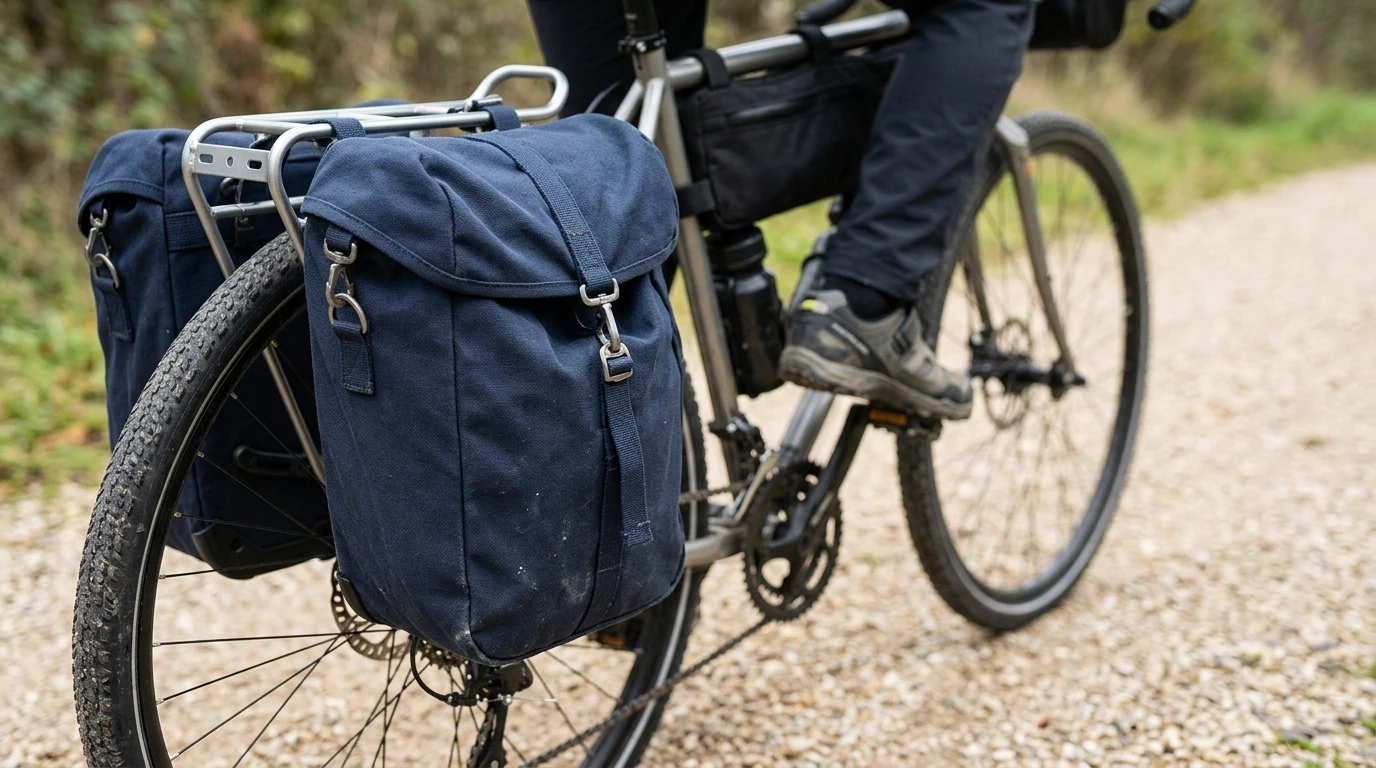
What’s the difference between panniers and bike bags?
Panniers are a specific type of bike bag designed to mount to a rack (most often a rear rack, sometimes a front rack). They typically attach with hooks or a locking clip system, sit low on the sides of the bike, and carry weight in a stable, balanced way. “Bike bags” is a broader term that can include panniers, but also covers seat packs, handlebar rolls, frame bags, top-tube bags, trunk bags, and backpacks made for cycling.
How panniers differ
The defining feature of panniers is rack-based mounting. Because the load is carried by the bike rather than your body, panniers are a popular choice for commuting, grocery runs, and touring with heavier gear. Many panniers also prioritize weather protection and visibility features, and some include carry handles or shoulder straps for off-bike use.
How other bike bags differ
Non-pannier bike bags usually strap directly to the bike frame, seatpost, or handlebars, which can be ideal for bikes without racks or for riders who want a lighter setup. Seat packs and handlebar bags are common for bikepacking, while smaller top-tube and frame bags focus on quick access to snacks, tools, and a phone. The tradeoff is capacity: most strap-on bags carry less than a full-size pannier and may sway if overloaded.
Which should you choose?
Choose panniers if you want higher capacity, better stability under load, and easy daily utility—especially if your bike already has a rack or can accept one. Choose other bike bags if you need a rack-free setup, want to keep the bike narrow for tight trails, or prefer a minimal carry system for shorter rides.
For a closer look at a roomy, weather-ready option with practical carry features, see this guide: https://arystra.com/guide-25l-waterproof-bike-travel-pannier-shoulder-strap-reflective-design/.
FAQ
Do I need a rack to use panniers?
Yes—standard panniers are built to clip onto a bike rack. If you don’t have rack mounts, look for rackless alternatives like seat packs, frame bags, or handlebar bags.









Leave a comment