PBT Keycaps Cost More: Material, Legends, and QC
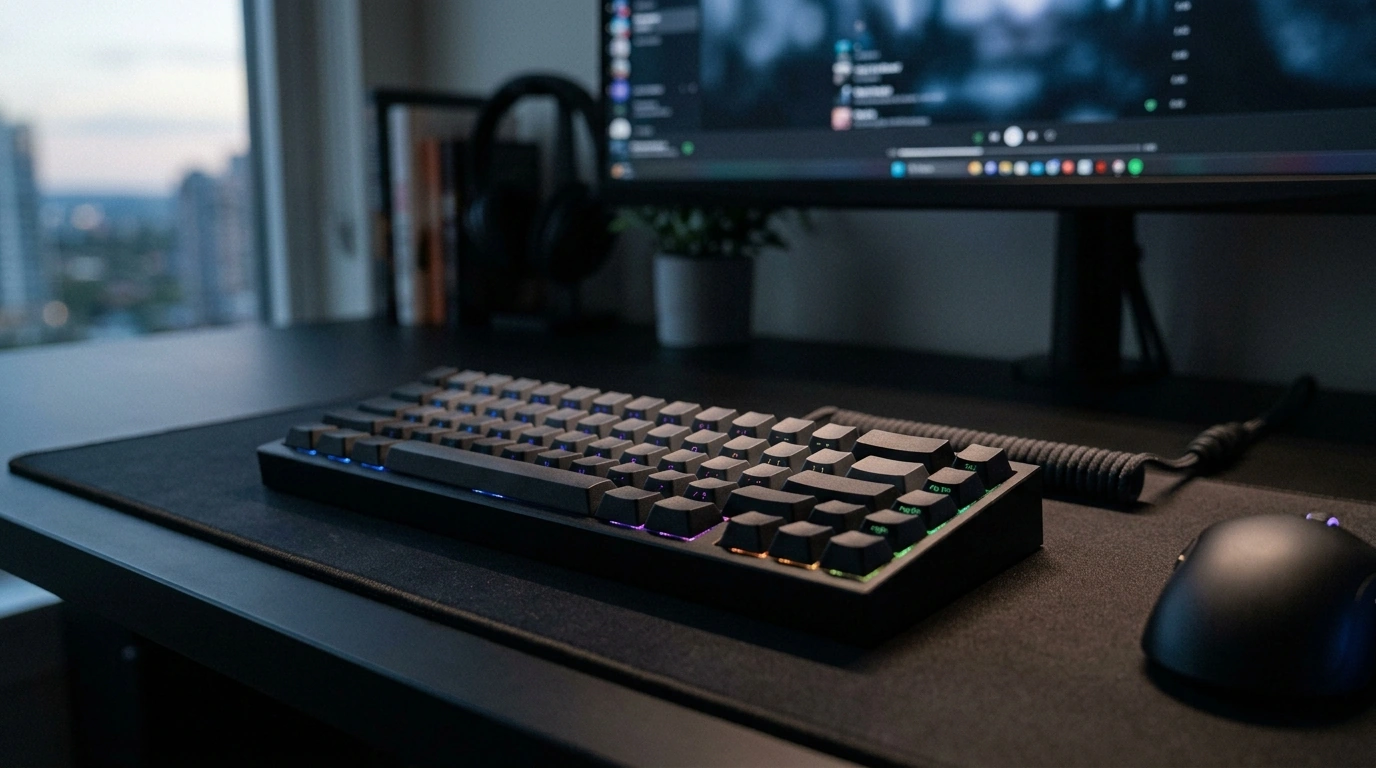
Why are PBT keycaps so expensive?
PBT keycaps often cost more because the material is harder to manufacture consistently, and the processes used to make legends look crisp and last a long time are more demanding. While PBT (polybutylene terephthalate) is valued for its durability and resistance to shine, those benefits usually come with tighter production tolerances, more rejects, and slower tooling cycles than cheaper alternatives.
Harder plastic, stricter tolerances
PBT behaves differently during molding than ABS. It tends to shrink and warp more, so factories need better molds, careful temperature control, and more quality checks to keep rows straight and keycap profiles uniform. That extra precision costs money, and it’s one reason inexpensive PBT sets can sometimes arrive with slight warp—high-end sets spend more to minimize it.
Legend and printing methods add real cost
Many buyers want legends that don’t fade. Techniques like dye-sublimation or multi-shot construction require additional steps, alignment, and sometimes extra molds. Even “side print” and shine-through designs can raise costs because the placement and translucency have to be consistent across dozens of keys to look clean when installed and lit.
Thicker sets and bigger kits increase materials and QC time
PBT sets are frequently offered in thicker, more premium builds and in larger layouts (including 104/108/136-key kits). More plastic per keycap, more keys per box, and more time spent inspecting each run all compound the final price.
Smaller production runs and enthusiast demand
Compared to mass-market OEM keycaps, many PBT enthusiast sets are produced in smaller batches, sometimes with more complex color matching. Lower volume means higher per-unit costs for tooling, warehousing, and shipping—especially when the set includes specialty keys for multiple keyboard sizes.
For a practical look at PBT options—including a gradient black 136-key, side-print, shine-through set—see this guide to gradient black PBT side-print shine-through keycaps.
FAQ
Do PBT keycaps feel different than ABS?
Yes. PBT typically feels more textured and less slick, while ABS often feels smoother and can develop a shiny surface faster with heavy use.




Leave a comment