Smart Sonic Toothbrush: 6 Modes + 8 Heads Guide
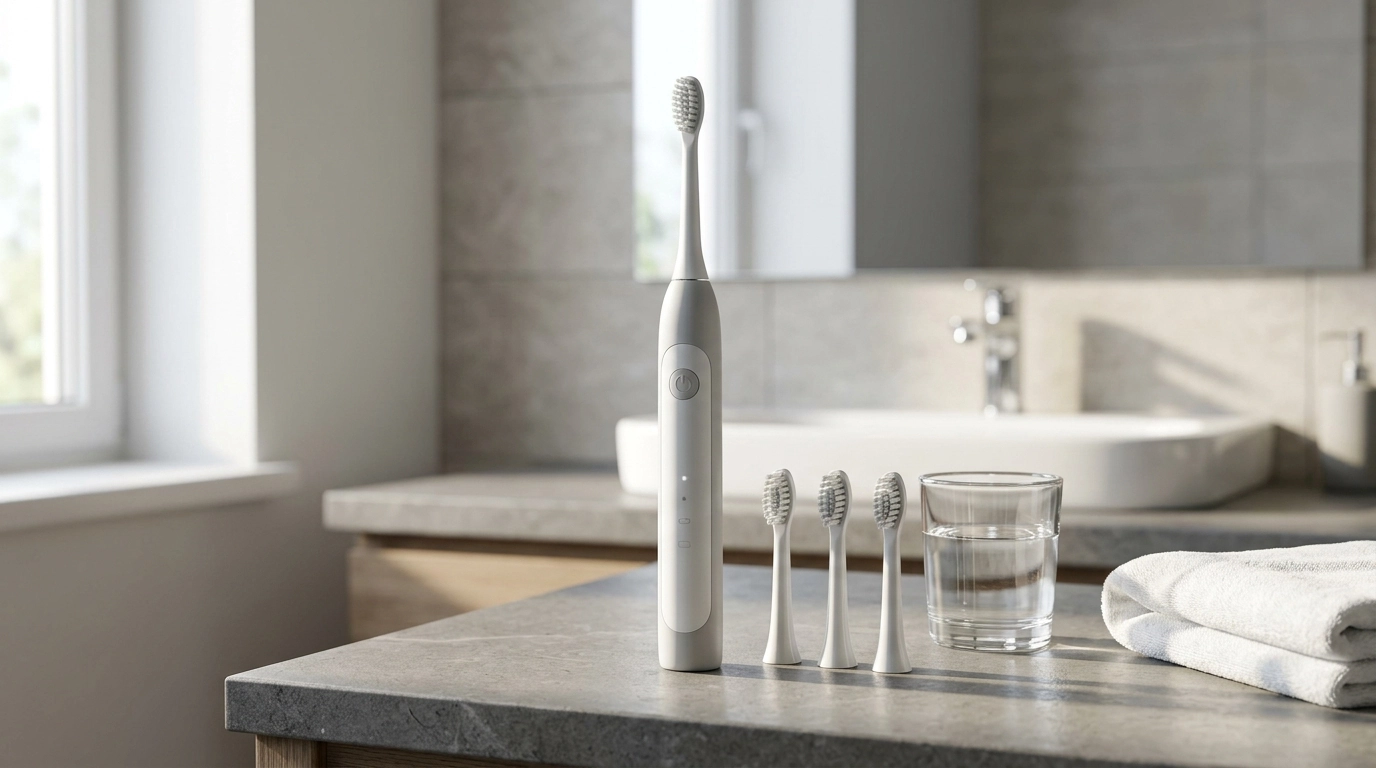
Smart Sonic Electric Toothbrush with 8 Heads & 6 Cleaning Modes
A smart sonic toothbrush can make daily brushing more consistent with timed cycles, multiple modes for different sensitivities, and replaceable heads to keep performance steady over time. This guide breaks down what each of the 6 cleaning modes is useful for, how to rotate the included heads effectively, and simple care habits that support better hygiene and longer device life.
What Makes a Smart Sonic Toothbrush Different
Unlike a manual brush, a sonic electric toothbrush relies on high-frequency vibration to help disrupt plaque along the gumline and around hard-to-reach areas like the back molars and tight spaces between teeth. Many smart models also include a built-in timer and pacing cues that encourage a complete two-minute routine.
Multiple modes help tailor the feel and intensity based on your goals—gentler options for tenderness, specialized focus for gum margins, and stronger settings for times when teeth feel less fresh. Replaceable brush heads also matter: bristles gradually soften and splay, and a fresh head helps maintain consistent contact and cleaning performance.
For a practical option with built-in variety, see the Smart Sonic Electric Toothbrush with 8 Heads & 6 Cleaning Modes.
What’s Included and Who It’s For
This set centers on a smart sonic toothbrush handle with 6 cleaning modes and eight replaceable brush heads—helpful for keeping up with regular head changes without needing immediate reorders. It’s a good fit for adults and teens who prefer a structured brushing routine, including anyone who experiences occasional sensitivity (start with gentler modes and use soft pressure).
Even with an electric brush, interdental cleaning still matters. Brushing works best alongside floss, interdental brushes, or other tools that clean between teeth where bristles may not fully reach. For broader oral health basics and routine guidance, the CDC’s adult oral health page is a reliable reference.
Understanding the 6 Cleaning Modes (When to Use Each)
The best mode is the one you’ll use consistently with gentle technique. Rotate modes based on how your teeth and gums feel that day, and avoid “leveling up” intensity just to feel more power.
- Daily clean: A balanced, routine setting for twice-a-day brushing.
- Sensitive/gentle: Helpful for tender gums, new users adjusting to vibration, or times when teeth feel reactive (follow dentist guidance after procedures).
- Gum care: A focused option for cleaning along the gumline—best paired with slow movement and light pressure.
- Whitening/polish: Designed for occasional surface stain support; keep pressure light to reduce enamel wear risk.
- Deep clean: A stronger-feeling mode when teeth feel like they have buildup; use controlled, unhurried passes.
- Massage/soothe: Comfort-oriented brushing and gum stimulation; works best with minimal pressure.
Mode selection guide
| Need | Recommended mode | How often | Tip |
|---|---|---|---|
| New to electric brushing or easily irritated gums | Sensitive/gentle | Daily as needed | Use feather-light pressure and let the bristles do the work |
| Everyday maintenance | Daily clean | 2x/day | Follow quadrant pacing for full coverage |
| Focus on gumline care | Gum care | 1–2x/day | Angle bristles toward the gumline and move slowly |
| Surface stain support (coffee/tea) | Whitening/polish | A few times/week | Avoid pressing hard; don’t linger on one tooth |
| Heavier buildup feeling | Deep clean | As needed | Shorten time if teeth feel tender afterward |
| Comfort and gum stimulation | Massage/soothe | Optional | Pair with gentle toothpaste and light pressure |
How to Brush Correctly with a Sonic Toothbrush
Sonic brushing is less about scrubbing and more about positioning and patience. Start by applying toothpaste and placing the brush head on your teeth before turning it on to reduce splatter. Then guide the brush slowly across surfaces instead of moving quickly like a manual brush.
- Use light pressure; pressing hard can reduce bristle movement and irritate gums.
- Spend equal time in each quadrant: upper right, upper left, lower right, lower left.
- Hold the head at a slight angle toward the gumline so bristles meet the margin.
- Cover outer, inner, and chewing surfaces, including the back molars and behind front teeth.
- Let vibration do the cleaning while your hand movement stays gentle and controlled.
For evidence-based context, a Cochrane Review on powered vs. manual toothbrushes has found powered brushes can reduce plaque and gingivitis compared with manual brushing when used properly.
Making the Most of the 8 Included Brush Heads
Extra heads make it easier to stay on schedule. A simple routine is to replace your head about every three months, sooner if the bristles splay or if the brush starts to feel less effective. Worn bristles can clean less efficiently and may be rougher on gums.
If you’re building a small routine refresh, consider pairing your oral-care upgrade with something that supports better nightly habits, like the AI-Powered Checklist for Better Sleep Adventures (digital guide).
Care, Hygiene, and Storage
For general toothbrush guidance and safety considerations, the American Dental Association’s toothbrush resource is a useful reference point.
Common Mistakes That Reduce Results
When to Consider a Different Brush or Mode
Shop In-Stock Picks
- Smart Sonic Electric Toothbrush with 8 Heads & 6 Cleaning Modes ($8.51)
- AI-Powered Checklist for Better Sleep Adventures | Digital Sleep Guide ($4.99)
FAQ
How often should the brush head be replaced?
Most people do well replacing a brush head about every 3 months. Replace sooner if bristles are frayed, after illness, or if the brush feels less effective.
Is a sonic toothbrush safe for sensitive teeth and gums?
Usually yes when you use light pressure and a gentle/sensitive mode. If discomfort persists or worsens, stop using strong settings and check in with a dentist.
Do whitening modes actually whiten teeth?
They can help reduce some surface staining over time, especially from coffee or tea. They won’t change the intrinsic color of teeth, so deeper whitening typically requires professional options.









Leave a comment