Lightweight 3L Pack: Cycling, Running & Hiking Essentials
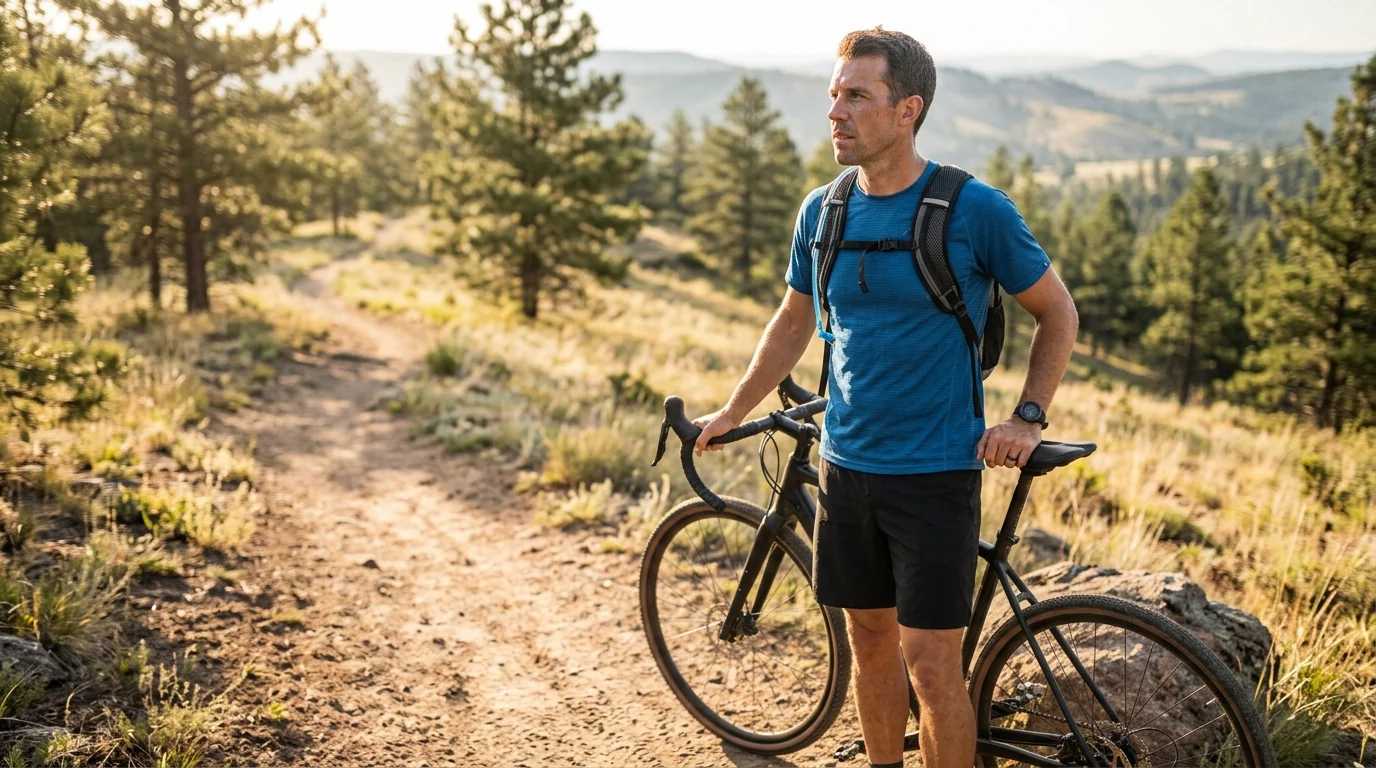
Lightweight 3L Cycling Backpack for Running, Hiking & Outdoor Sports
A compact 3L pack can be the difference between feeling free and feeling weighed down on fast rides, trail runs, or day hikes. The sweet spot is simple: enough room for essentials, a stable fit that doesn’t bounce, and breathable comfort when the pace (and heat) rises. Below is a practical guide to what a lightweight 3L cycling backpack should do across multiple sports—plus how to fit it, pack it, and keep it comfortable for real-world use.
What Makes a 3L Pack Work Across Cycling, Running, and Hiking
A 3L pack shines when it carries the basics without shifting, even when you’re cornering hard on a bike or descending uneven trail on foot. The best multi-sport setup focuses on:
- Low-profile capacity: enough space for essentials while staying tight to your back at speed.
- Secure harness system: supportive shoulder straps plus a sternum strap to reduce bounce and strap spread.
- Quick-access storage: easy grabs for phone, gels, keys, and a thin layer without unpacking everything.
- Breathable contact points: back panel and straps that help manage heat during high-output efforts.
- Hydration compatibility: ready for a bladder or small bottles for longer or hotter sessions.
At-a-Glance Comparison: Where a 3L Pack Fits Best
A 3L pack is ideal for short-to-medium sessions where minimal gear is the goal. For colder weather, remote routes, or all-day hikes, a larger capacity may be necessary to fit extra insulation, more food, and safety layers.
| Activity | Ideal duration | What fits comfortably | Extra tip |
|---|---|---|---|
| Cycling (road/gravel) | 1–3 hours | Phone, multitool, tube/CO2, snack, wind vest | Keep heavier tools close to the spine to reduce sway |
| Trail running | 45–120 minutes | Soft flask/bladder, gels, keys, light shell | Tighten sternum strap slightly higher to limit bounce |
| Day hiking (fast & light) | 2–4 hours | Water, snack, headlamp, compact first-aid, thin layer | Add a small dry bag for electronics if weather changes fast |
| Outdoor sports/training | 30–90 minutes | Towel, small bottle, phone, wallet, mini pump | Pack a zip pouch for small items so they don’t rattle |
Fit and Stability: How to Prevent Bounce and Shoulder Fatigue
Even a lightweight pack can feel annoying if it rides low or swings with every stride. A few small adjustments typically solve most bounce and shoulder pressure issues:
- Set it high and close: adjust shoulder straps so the pack sits high on the upper back rather than sagging mid-back.
- Dial in the sternum strap: it should keep straps from drifting toward the shoulders’ edges during arm swing.
- Center dense weight: place heavier items near the middle of your back (close to the spine) to minimize leverage.
- Avoid “outer-pocket overload”: stuffing the farthest pocket increases sway and makes the pack feel heavier than it is.
- Confirm range of motion: no rubbing at the neck, and nothing digging near the armpits when you swing arms or reach for handlebars.
Comfort in Heat: Breathability and Sweat Management
Heat and humidity turn “fine at the start” into “miserable at mile five” if your pack traps sweat. Prioritize ventilated materials and smart layering:
- Ventilated contact points: look for airflow channels or mesh where the pack touches your back and shoulders.
- Smooth strap edges: reduce friction on bare skin for summer runs and rides.
- Use a thin base layer if needed: a lightweight top can cut chafing on longer sessions—especially when sweat and salt build up.
- Rinse occasionally: salty residue stiffens fabric and increases odor; periodic rinsing helps keep materials soft.
For hot-weather safety basics, review guidance from the CDC on heat and athletes, especially if routes are exposed or you’re increasing intensity.
Hydration Strategy: Bladder vs. Bottles for Multi-Sport Use
Hydration is where a 3L pack earns its keep. The right choice depends on how you move and how often you want to stop.
For general safety and preparation considerations, the American Hiking Society’s hiking resources are a solid reference when planning fast-and-light outings.
Packing Layout That Stays Quiet and Balanced
When a Lightweight Pack Beats Pockets (and When It Doesn’t)
Product Spotlight: Lightweight 3L Cycling Backpack for Running, Hiking & Outdoor Sports
If your goal is a streamlined kit for fast outings, the Lightweight 3L Cycling Backpack for Running, Hiking & Outdoor Sports is sized for essentials with a minimal profile that suits cycling, running, hiking, and general outdoor training sessions. It’s a practical choice for carrying the basics while staying hydration-ready when conditions or duration call for it.
For warm-weather comfort, pairing a light pack with breathable apparel can help manage sweat and friction—consider the Men’s Quick-Dry Short Sleeve Sports Shirt – Lightweight Workout & Running Top for active days where moisture control matters.
Care, Cleaning, and Long-Term Durability
FAQ
Is a 3L backpack enough for running and hiking?
For many short-to-medium outings, yes: a 3L pack typically fits water, snacks, phone, keys, and a light shell. For longer hikes or colder conditions where you need more insulation and food, a larger pack is often the better choice.
How do you stop a running backpack from bouncing?
Wear it high and snug on your upper back, then use the sternum strap to keep the shoulder straps from spreading. Pack dense items close to your back and avoid overloading outer pockets, which increases swing and bounce.
Are hydration bladders safe for daily use?
They can be, especially when made from food-grade materials and cleaned regularly. Rinse and dry the bladder, tube, and bite valve thoroughly, and replace worn parts if you notice lingering odors, leaks, or discoloration.









Leave a comment