Antique Brass Turtle Ornament: Longevity Decor Accent
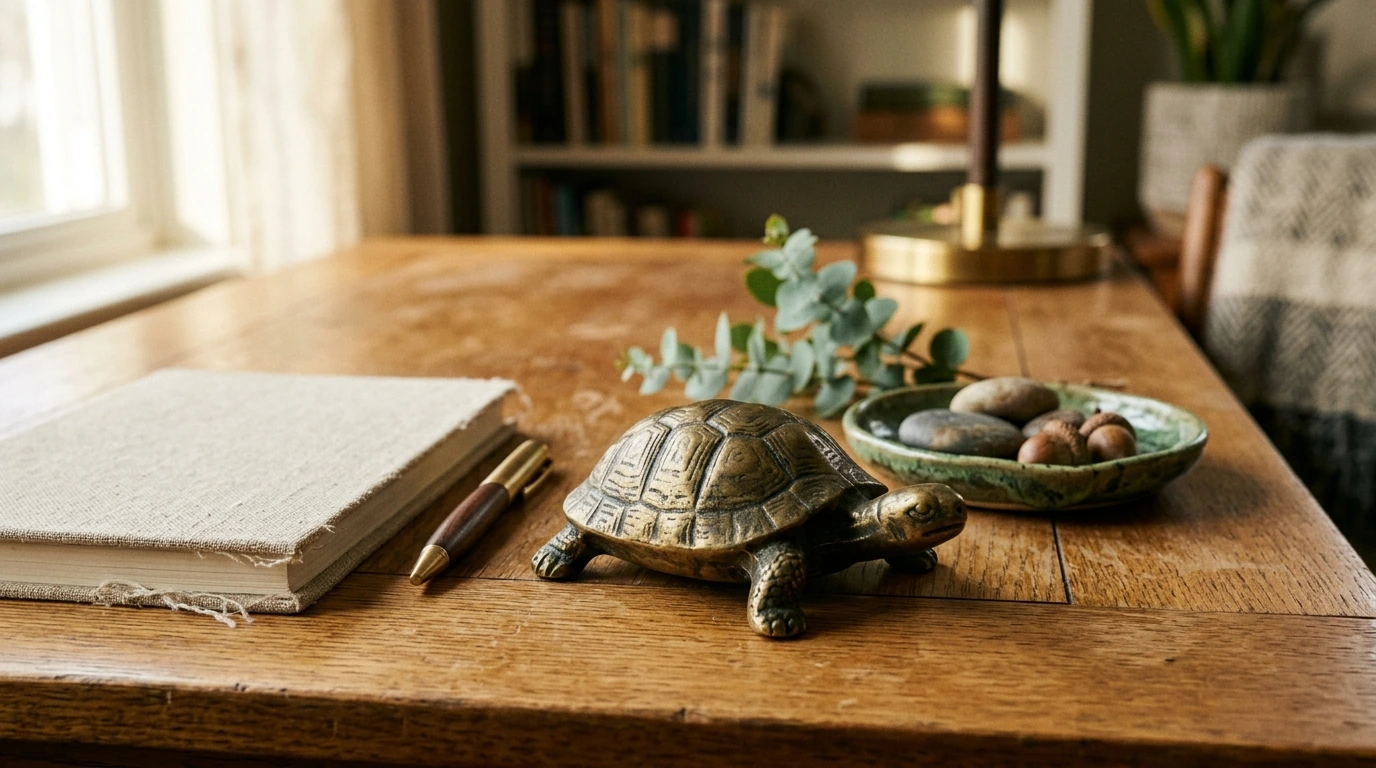
Antique Solid Brass Turtle Ornament – A Longevity Symbol with Timeless Character
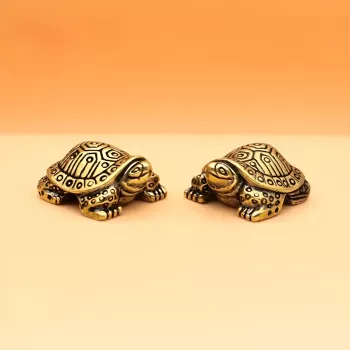
A brass turtle brings two things to a space at once: a warm metallic presence and a story-rich symbol often associated with longevity, steadiness, and protection. With an antique-style finish, this small sculpture works as a shelf accent, desk companion, or meaningful gift that feels collected rather than mass-made. Its compact scale makes it easy to place, while solid brass gives it a satisfying weight and a quiet glow that looks better in real life than flashy, mirror-like finishes.
Why a Turtle Motif Feels Enduring
Turtle imagery has a way of feeling instantly familiar. Across multiple cultural traditions, turtles are commonly associated with longevity, resilience, and steady progress—qualities that read well in a home because they’re calm, not trendy. Even if someone doesn’t lean into symbolism, the form itself is grounded: low, stable, and softly contoured, which naturally makes a space feel more settled.
- Often connected to longevity, resilience, and patience across many traditions.
- A calming, grounded silhouette that pairs easily with wood, stone, leather, and woven textiles.
- Works in minimalist or eclectic rooms because the shape reads clearly even at small sizes.
For a quick background on turtles as animals (and why they’re so widely recognized), see the general overview from Encyclopaedia Britannica.
Solid Brass as a Decorative Material
Solid brass is a classic for small decor because it sits in a sweet spot: warmer than polished steel, less flashy than bright gold plating, and more forgiving in everyday spaces. Instead of “wearing out,” brass develops patina—subtle darkening in recesses and gentle tonal shifts that add depth. In sculpted forms, brass also holds crisp detail, so shell texture and contours catch ambient light without needing a high-polish shine.
- Warm golden tone that reads richer than bright gold finishes.
- Patina develops over time, adding character rather than looking worn down.
- Captures sculpted detail well, helping texture show up in soft light.
- Practical for high-touch areas because it can be cleaned and refreshed as needed.
Brass ornament care at a glance
| Goal | What to do | What to avoid |
|---|---|---|
| Keep the antique look | Dust with a soft dry cloth; spot-clean with a barely damp cloth and dry immediately | Harsh metal polishes that strip patina evenly |
| Brighten slightly | Use mild soap and water, then dry thoroughly; buff gently with a microfiber cloth | Abrasive pads or gritty cleaners |
| Long-term storage | Wrap in soft cloth; store dry; avoid rubber bands touching the surface | Humidity, direct salt air exposure, and prolonged contact with acidic paper |
For broad, museum-grade guidance on handling and care, the Smithsonian Museum Conservation Institute offers practical principles that apply well to metal decor.
Where This Ornament Looks Best
A small brass sculpture earns its keep when it can move around easily—today on the desk, next month on a shelf—without feeling like a “big decor commitment.” The turtle shape is especially flexible because it’s visually calm, with enough texture to feel intentional but not busy.
- Desk or study: a compact symbol of focus and steady progress without adding visual clutter.
- Entryway console: pairs well with a catchall tray, keys bowl, or framed photo for a welcoming vignette.
- Bookshelf styling: tuck near stacked books or beside a small plant to balance hard/soft textures.
- Meditation or calm corner: complements candles, stones, and warm lighting for a grounded feel.
- Gift accents: a thoughtful token for milestones tied to patience, endurance, or new beginnings.
How to Style an Antique Brass Turtle
Antique brass is easy to make look “collected” rather than staged. The key is to echo its warmth once or twice, then let the turtle be a quiet detail that rewards a closer look.
- Pair with natural wood tones (oak or walnut) for a classic, lived-in look.
- Contrast with matte black or deep green decor to make the brass warmth stand out.
- Use repetition: add one other small brass element (a tray or candlestick) so it looks intentional, not random.
- Keep the surrounding palette simple if the shelf already has busy patterns—let the sculpture be the calm anchor.
What to Notice Before Placing It
A small ornament can look dramatically different depending on lighting and surface. A few quick checks help it feel “right” in the spot you choose from day one.
- Surface variation: antique-style brass typically includes tonal shifts and darker recesses that emphasize texture.
- Placement stability: set it on a flat, non-scratching surface; felt pads can help protect delicate wood finishes.
- Light direction: side light from a lamp or window highlights shell contours and adds dimension.
- Room humidity: avoid constant moisture (like bathroom ledges) if you prefer slow, even aging over fast oxidation.
A Simple Gift Idea with Meaning
Featured Picks Available Now
- Antique Solid Brass Turtle Ornament – Longevity Symbol Decorative Sculpture — a warm, antique-finish accent sized for shelves, desks, and entryway vignettes.
- AI-Powered Checklist for Better Sleep Adventures | Digital Sleep Guide for Relaxation, Lucid Dreaming & ai suggestions for better dreams — a digital add-on that pairs nicely with a calm corner refresh or a thoughtful, low-clutter gift bundle.
FAQ
Does solid brass tarnish over time?
Yes. Brass naturally oxidizes and can darken or develop a patina over time. That change is normal and is often part of the appeal when you want an antique look.
How should an antique-style brass ornament be cleaned without removing the aged finish?
Start with dusting using a soft, dry cloth. For fingerprints or smudges, use a cloth lightly dampened with water (or a little mild soap), then dry immediately; avoid abrasive cleaners or strong polishes if you want to preserve the patina.
Is a turtle ornament considered a meaningful symbol for home decor?
Often, yes. Turtle motifs are widely associated with longevity, protection, and steadiness, which makes them popular as grounding accents and as symbolic gifts for new chapters and milestones.




Leave a comment