Portable Stainless Steel Wood Stove: Camp Cooking & Heat
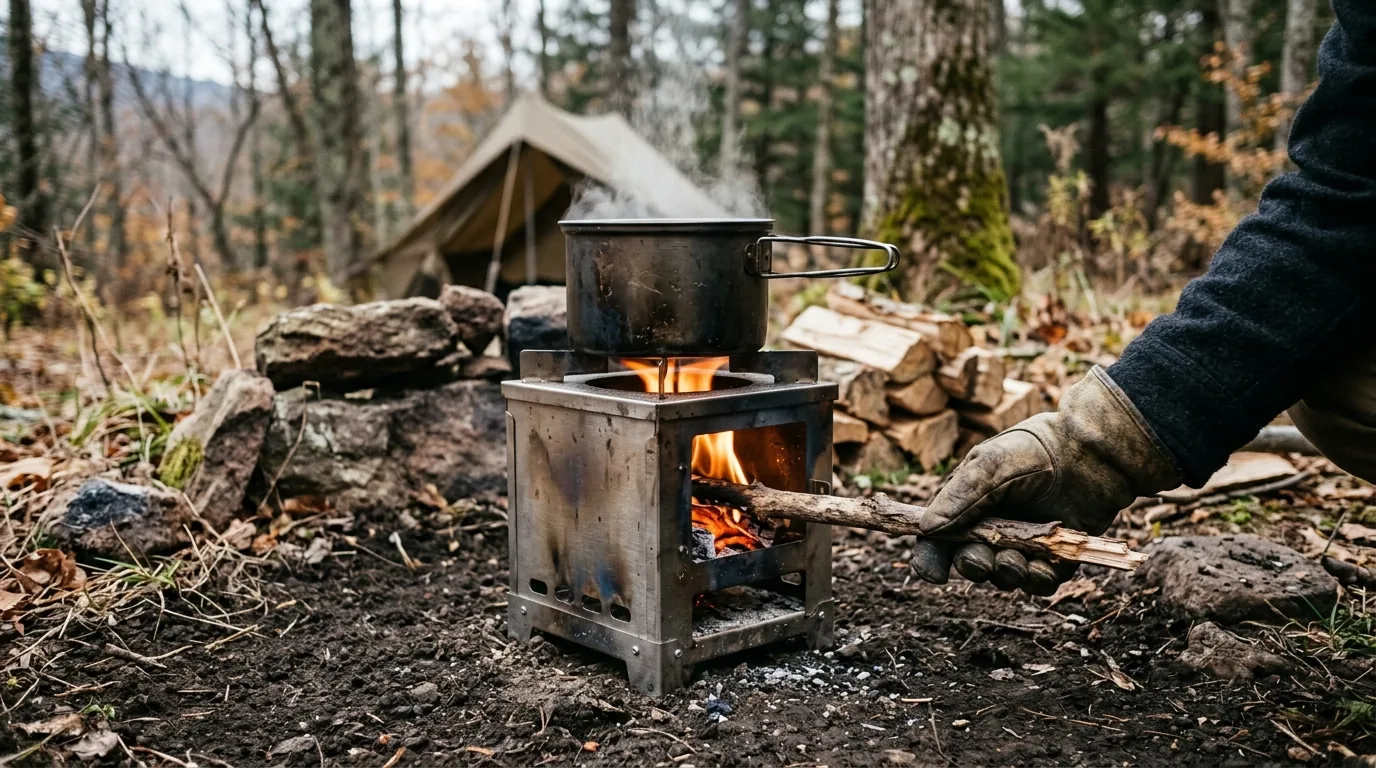
Portable Stainless Steel Wood Stove for Outdoor Cooking and Reliable Camp Heat
A compact wood stove can turn a gusty campsite into a more predictable cook station and a steady source of warmth for open-air or well-sheltered outdoor setups. A portable stainless steel wood-burning stove is especially useful when fuel canisters are hard to find, temperatures swing at night, or you want a stable platform for boiling, simmering, and pan cooking. Below are the practical details that matter most—heat control, packability, safety, and day-to-day use for car camping, basecamps, and sheltered outdoor cooking.
What This Stove Setup Is Good For
- Outdoor cooking when gas canisters are inconvenient or unavailable
- Supplemental heat for sheltered outdoor spaces (never for enclosed indoor use)
- Boiling water, simmering meals, and heating larger cookware over a stable platform
- Longer stays where collecting small, dry fuel is feasible
- Emergency preparedness for outdoor-rated heating and cooking scenarios
For most campers, the biggest benefit is flexibility: you can cook with locally gathered sticks (where allowed), run a longer simmer with a consistent feed rhythm, and keep hands warmer while tending a meal—without balancing a pot on uneven rocks or struggling with a floppy ultralight stand.
Stainless Steel Benefits in the Field
- Corrosion resistance for damp environments and shoulder-season trips
- Holds up well to repeated heating cycles with proper cooling and storage
- Easier cleanup compared to coated mild steel (ash and soot wipe-downs)
- Good balance of strength and weight for portable builds
- Less worry about paint off-gassing when run hot (compared with some coated stoves)
Stainless shines on wet weekends and in coastal air, where rust can creep fast on untreated steel. It also tends to clean up with fewer “mystery flakes” after high-heat burns—handy when you’re packing a stove back into a vehicle alongside other gear.
Key Parts That Affect Cooking Performance
- Firebox size: larger chambers accept longer sticks and reduce feeding frequency
- Airflow control: adjustable vents support quicker boils and steadier simmering
- Door design: tighter closure improves burn control and reduces stray sparks
- Ash management: an ash lip or tray helps maintain airflow and simplifies cleanup
- Pot support: stable top surface and supports reduce tipping risk for full pots
- Heat concentration: a flatter top helps distribute heat for pans; a concentrated hotspot speeds boiling
Cooking performance checklist
| Feature | Why it matters | What to look for |
|---|---|---|
| Adjustable air intake | Controls burn rate and temperature | Multiple vent positions or a sliding damper |
| Stable cooking surface | Safer stirring and less spill risk | Wide top, anti-slip pot supports |
| Fuel access door | Easier refueling mid-cook | Door that opens smoothly and seals reasonably |
| Ash clearance | Maintains airflow on longer burns | Ash lip/tray or easy clean-out access |
| Wind tolerance | More consistent heat outdoors | Shielded intake/exhaust path or sheltered placement options |
Packing, Setup, and Site Selection
- Pack strategy: carry stove components in a dedicated sack to keep soot off other gear
- Setup surface: use mineral soil, sand, or a fire-safe base; avoid dry grass and duff
- Stability: level the stove before lighting; test with an empty pot first
- Wind planning: position behind a natural windbreak while maintaining safe clearance
- Local rules: verify seasonal restrictions and permitted fuel types before the trip
A good site is flat, non-flammable, and boring. If the stove rocks even slightly, fix it before lighting—small wobbles become big spills once a pot is full and a spoon is stirring. In breezy weather, use terrain as your windscreen rather than surrounding the stove with gear; airflow changes can turn a clean burn into a smoky one.
Fuel and Fire Management for Steadier Heat
Safety Practices for Outdoor Heating and Cooking
Carbon monoxide is odorless and can build quickly in poorly ventilated spaces. Follow guidance from the CDC on carbon monoxide poisoning prevention, and use a stove only outdoors or in a shelter specifically designed for vented stove use. For broader fire guidance and seasonal restrictions, check the USDA Forest Service campfire safety page, and keep impacts low by following Leave No Trace campfire principles.
A Solid Option to Consider
- Product: Portable Stainless Steel Wood Burning Stove for Outdoor Cooking & Heating
- Best for: campers who want a durable, packable wood-burning platform for cooking and supplemental outdoor warmth
- Practical add-ons: fireproof mat, compact poker/tongs, small brush for ash, and a soot-proof carry bag
If you’re building a campsite kit around a wood stove, a few supporting items can make the experience cleaner and more comfortable. A sweat-wicking layer like the Men’s Quick-Dry Short Sleeve Sports Shirt – Lightweight Workout & Running Top helps when tending fires and cooking in fluctuating temps. For quieter nights after a long day outside, the AI-Powered Checklist for Better Sleep Adventures | Digital Sleep Guide for Relaxation, Lucid Dreaming & ai suggestions for better dreams can be a simple wind-down resource.
FAQ
Can a portable wood stove be used inside a tent for warmth?
No. Using a wood stove in a tent or vehicle can create a deadly carbon monoxide risk and increases fire danger; it should only be used outdoors or in a properly vented, stove-rated shelter designed for that purpose.
How is heat controlled on a compact wood-burning stove?
Heat is controlled mainly by airflow (intake vents and how tightly the door is closed), plus fuel size, dryness, and how often you refuel. Small adjustments can change temperature quickly, so fine-tune in short steps.
What cookware works best on a camp wood stove?
Flat-bottom, stable pots and pans work best—stainless steel, cast iron, and hard-anodized aluminum are all solid choices. Match cookware size to the stove’s top surface for stability, and expect some soot buildup on the outside of pots.








Leave a comment