Travel Anxiety Calming Routines: A 48-Hour Plan
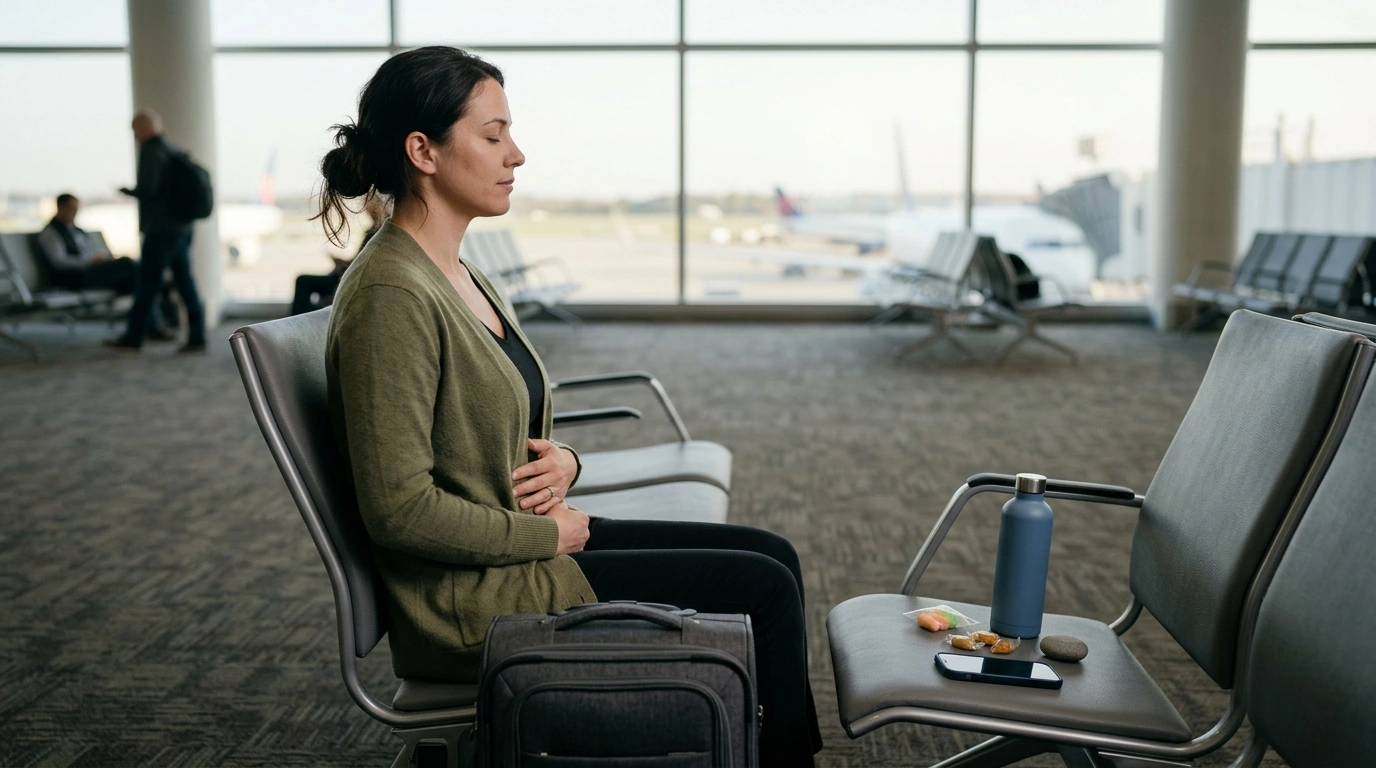
Travel nerves are common—and workable
Feeling anxious before a trip doesn’t mean something is wrong with you—it often means your brain is trying to protect you from uncertainty, time pressure, crowds, noise, and “what if” scenarios. The goal isn’t to force a perfect mood; it’s to use a few repeatable routines that reduce uncertainty, keep your body regulated, and give you a reliable reset when anxiety spikes. When stress is high, the body can react with tight muscles, racing thoughts, or a fast heartbeat—common effects of stress on the body noted by the American Psychological Association. A calmer trip usually starts with fewer decisions, steadier basics (sleep, hydration, food), and a plan that’s easy to follow even when you’re tired.
Start with a “low-friction” travel plan
Many nervous travelers try to “plan harder” to feel safe. A better approach is planning simpler—so you have fewer points of failure and fewer things to monitor.
- Choose fewer moving parts: opt for direct routes when you can, longer layovers, and earlier departures to reduce time pressure.
- Pre-decide three non-negotiables: sleep, hydration, and your medication schedule (or other essentials). Build the itinerary around those, not the other way around.
- Create a single source of truth: one notes page with booking numbers, addresses, and a short day-by-day plan. Stop hunting across email threads.
- Identify the easiest help points: airline desk location, station info booth, hotel front desk hours, or customer service chat. Knowing where help lives lowers “stuck” fear.
Calming routine timeline (the 48-hour approach)
Instead of chasing reassurance, use the same short sequence each trip. Repetition signals safety to your nervous system and makes it easier to act even when you feel shaky. Keep each step short enough to actually complete on a real travel day.
Simple calming routine schedule
| When | Routine (5–15 minutes) | Why it helps |
|---|---|---|
| 48–24 hours before | Confirm documents, pack essentials first, set a realistic departure alarm (with buffer) | Reduces uncertainty and last-minute scrambling |
| Night before | Screen cut-off 60 minutes before bed, warm shower, light stretch, set clothes by the door | Improves sleep and lowers baseline arousal |
| Leaving home | 3 slow breaths, relax jaw/shoulders, repeat a short cue phrase (“Slow is smooth”) | Shifts the body out of fight-or-flight |
| During check-in/security | Name 5 things seen/4 felt/3 heard/2 smelled/1 tasted | Grounds attention and interrupts spirals |
| Boarding or seat settling | Feet flat, longer exhale than inhale for 2 minutes, then sip water | Signals safety; stabilizes breathing pattern |
| Mid-journey | Micro-reset: unclench hands, roll shoulders, scan for tension and soften it | Prevents anxiety from accumulating |
| Arrival | Eat something simple, short walk, unpack only essentials, early wind-down | Helps the body “close the loop” on travel stress |
Build a “calm kit” that fits in one pocket
- Fast-acting sensory helpers: mint or ginger candy, earplugs or noise-cancelling options, and a small scent (lavender or an unscented balm if fragrance is a trigger).
- A water bottle plan: carry an empty bottle through security or know where you’ll buy water. Dehydration can intensify jittery sensations.
- Printed backup basics: address, emergency contact, key reservations—useful if your phone dies or service is spotty.
- One comfort anchor: a familiar playlist, photo, or small tactile item (smooth stone, keychain) that reliably cues “safe.”
- Medication or supplements: keep them in original packaging in your carry-on with a timed reminder. The CDC guidance on traveling with medication is a solid reference for staying prepared.
When anxiety spikes: a 90-second reset that works in public
- Step 1: Exhale slowly first. A long exhale reduces the urge to gasp and helps the body downshift.
- Step 2: Breathe 4 seconds in, 6–8 seconds out. Repeat for 6–8 cycles. The NHS breathing exercises provide additional options if you like structured patterns.
- Step 3: Ground through contact points. Press feet into the floor; notice heels, seat, and backrest supporting you.
- Step 4: Use a neutral script. “This is uncomfortable, not dangerous. It will pass.” Keep it simple and repeatable.
Reduce worry loops with small decisions made early
Sleep protection for nervous travelers
A guided option: structured calming routines you can follow step-by-step
- A Nervous Traveler’s Guide to Stress-Free Journeys: Calming Routines for Nervous Travelers is designed around the full arc—pre-trip, airport/station, in-transit, arrival, and sleep support—so you don’t have to invent strategies under pressure.
- For nights away from home or schedule shifts, AI-Powered Checklist for Better Sleep Adventures adds structure to your wind-down and helps protect your baseline calm.
- If clothing comfort is a major trigger (heat, sweat, stickiness), a breathable travel-day top like the Men’s Quick-Dry Short Sleeve Sports Shirt – Lightweight Workout & Running Top can reduce sensory discomfort so your body has fewer reasons to feel “on edge.”
FAQ
What if anxiety hits while boarding or right after the doors close?
Start with a long exhale, then do 4 seconds in and 6–8 seconds out for about a minute while pressing your feet into the floor and noticing the seat supporting you. Repeat a neutral line like “This is uncomfortable, not dangerous,” and add a simple distraction (music, counting) if needed; if you feel unsafe or symptoms escalate, alert crew/staff.
How can travel be planned without over-planning and checking everything repeatedly?
Use one “single source of truth” notes page for essentials, decide key choices early (route, outfit, snacks), and schedule two specific times to review logistics rather than checking all day. This keeps you informed without feeding the reassurance loop.
What should be packed for calming down without carrying too much?
A minimal calm kit includes earplugs or headphones, mint/ginger, a small scent balm, a clear water plan, printed backups of critical details, one comfort anchor, and any necessary medication kept accessible in original packaging.








Leave a comment