IPX7 Stainless Steel Sous Vide Circulator: 1200W Precision
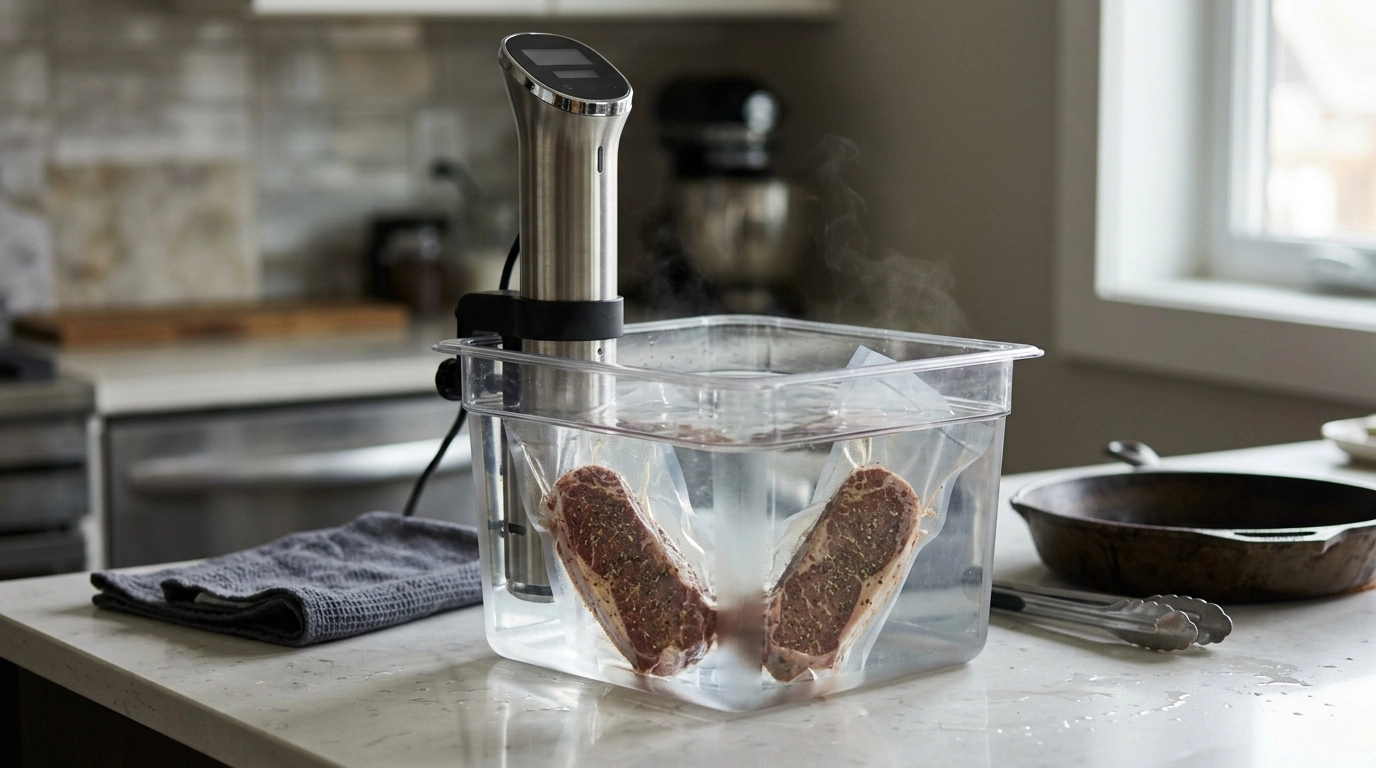
Precision Cooking Made Practical with a Stainless Steel, Waterproof Sous Vide Circulator
Sous vide makes it possible to cook foods to a precise doneness by holding water at an exact temperature for an extended time. A stainless steel, IPX7-rated immersion circulator adds durability and extra protection around splashes and accidental submersion, while the 1200W heater helps the bath recover temperature quickly. If consistent “edge-to-edge” results matter—steaks that are evenly medium-rare, chicken breast that stays juicy, eggs that land exactly where you want them—an immersion circulator is one of the simplest ways to bring repeatable control into everyday cooking.
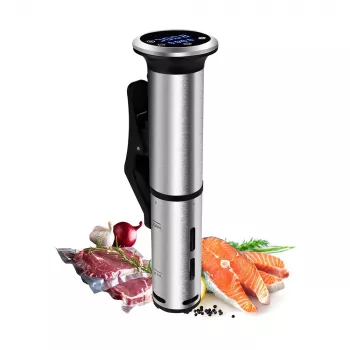
For a dependable, wipe-clean setup, consider the Stainless Steel Sous Vide Cooker 1200W IPX7 Waterproof Digital Immersion Circulator.
What This Immersion Circulator Is Designed to Do
- Heats and circulates a water bath to a stable temperature for consistent results edge-to-edge.
- Supports long cook times for proteins, eggs, vegetables, custards, and reheating sealed portions.
- Stainless steel body helps with longevity and easier wipe-down compared with plastic housings.
- IPX7 waterproof rating is aimed at safer operation around steam, splashes, and busy countertops.
The big difference with sous vide is control: instead of guessing based on pan temperature, oven hot spots, or thickness, the water bath becomes your thermostat. Circulation keeps the bath uniform, so the center of the food can gently reach the same doneness as the outside without overshooting.
Key Features That Matter Day to Day
- 1200W heating power: helps reach target temperature faster and maintains temperature when adding food.
- Digital controls: enables quick adjustments and readable temperature/time settings during cooking.
- Immersion circulator design: clips to a pot or container, saving counter space compared with dedicated water ovens.
- Waterproof construction: easier cleanup after use and added resilience in wet kitchen conditions.
- Stainless steel exterior: resists staining and can look cleaner over time with frequent use.
In real kitchens, convenience wins. A strong heater reduces the “waiting around” part, digital controls keep temperature changes simple, and a stainless exterior tends to handle daily use (and quick wipe-downs) without looking worn as quickly.
Setup and First Cook (Simple Workflow)
- Choose a pot or heat-safe container deep enough so the minimum water line is covered and the maximum line is not exceeded.
- Clamp the circulator securely to the side; keep vents and intakes unobstructed.
- Fill with water (warm tap water speeds preheat), set temperature, then set a timer once the bath is at temperature.
- Season food, seal in a bag (zip bag water-displacement method or vacuum seal), and fully submerge; keep the seal above water when using zip bags.
- After cooking, finish quickly: pat dry and sear proteins in a very hot pan or on a grill for browning.
Quick Reference Temperatures (Common Starting Points)
| Food | Temperature | Typical Time Range | Finish |
|---|---|---|---|
| Steak (medium-rare) | 129–134°F (54–57°C) | 1–3 hours | Hot sear 45–90 sec/side |
| Chicken breast (juicy, fully cooked) | 146–150°F (63–66°C) | 1–2.5 hours | Quick sear or torch skin-side |
| Pork chops (tender) | 140–145°F (60–63°C) | 1–3 hours | Sear in cast iron |
| Salmon (silky) | 122–130°F (50–54°C) | 30–60 minutes | Optional brief kiss of heat |
| Eggs (jammy) | 167°F (75°C) | 12–14 minutes | Ice bath to stop cooking |
| Carrots (tender-sweet) | 183°F (84°C) | 45–90 minutes | Butter/glaze in pan |
These are practical starting points, not rigid rules. Thickness, how cold the food is when it goes in, and texture preferences all influence final timing. When in doubt, focus on temperature for doneness, then use time for tenderness and pasteurization where appropriate.
Waterproof Rating and Kitchen Practicality
- IPX7 indicates the device can tolerate temporary immersion under specified conditions, which helps in real kitchens where splashes happen.
- Waterproofing does not replace safe habits: keep the unit’s electrical connection dry, avoid pulling by the cord, and unplug before removing from the bath.
- Let the unit cool before storing; wipe down the exterior and keep the clamp area free of residue.
Food Safety and Holding Times
For safety references, use authoritative guidance on temperature control and safe handling, such as the USDA FSIS cooking guidance and the FDA Food Code. For cooling and storage basics when meal-prepping, the National Center for Home Food Preservation is a useful reference point.
Cleaning, Descaling, and Storage
Who This Cooker Fits Best
If your goal is reliable results without hovering over a pan, the Stainless Steel Sous Vide Cooker 1200W IPX7 Waterproof Digital Immersion Circulator is built around the practical details—power, readable controls, and a sturdier exterior—so the day-to-day workflow stays simple.
More In-Stock Picks
- Stainless Steel Sous Vide Cooker 1200W IPX7 Waterproof Digital Immersion Circulator ($99.47)
- AI-Powered Checklist for Better Sleep Adventures | Digital Sleep Guide for Relaxation, Lucid Dreaming & ai suggestions for better dreams ($4.99)
- 16″ Rivet Nut Tool Kit with 11 Mandrels & 185pcs Rivnuts Assortment ($75.51)
FAQ
Can an IPX7 waterproof circulator be fully submerged while running?
IPX7 generally refers to temporary immersion under specific test conditions, not unrestricted submersion in all real-world situations. For safe use, keep the unit within the manufacturer’s water-level markings and ensure the power connection stays dry.
Do vacuum sealers matter, or can zip bags work?
Zip bags can work well using the water-displacement method, especially for shorter cooks and everyday meals, as long as the seal stays above the waterline. Vacuum sealing is often better for longer cooks, liquids or strong marinades, and foods with sharp edges that might compromise a thin bag.
How long can food stay in the bath after it’s done?
Food can often be held at the cooking temperature for a while, but extended holding may soften texture (especially fish and some vegetables). If you’re not serving soon, chill sealed bags quickly and reheat later at a similar serving temperature.







Leave a comment