Dual Stabilizer Elbow Brace: Adjustable Support & Fit Tips
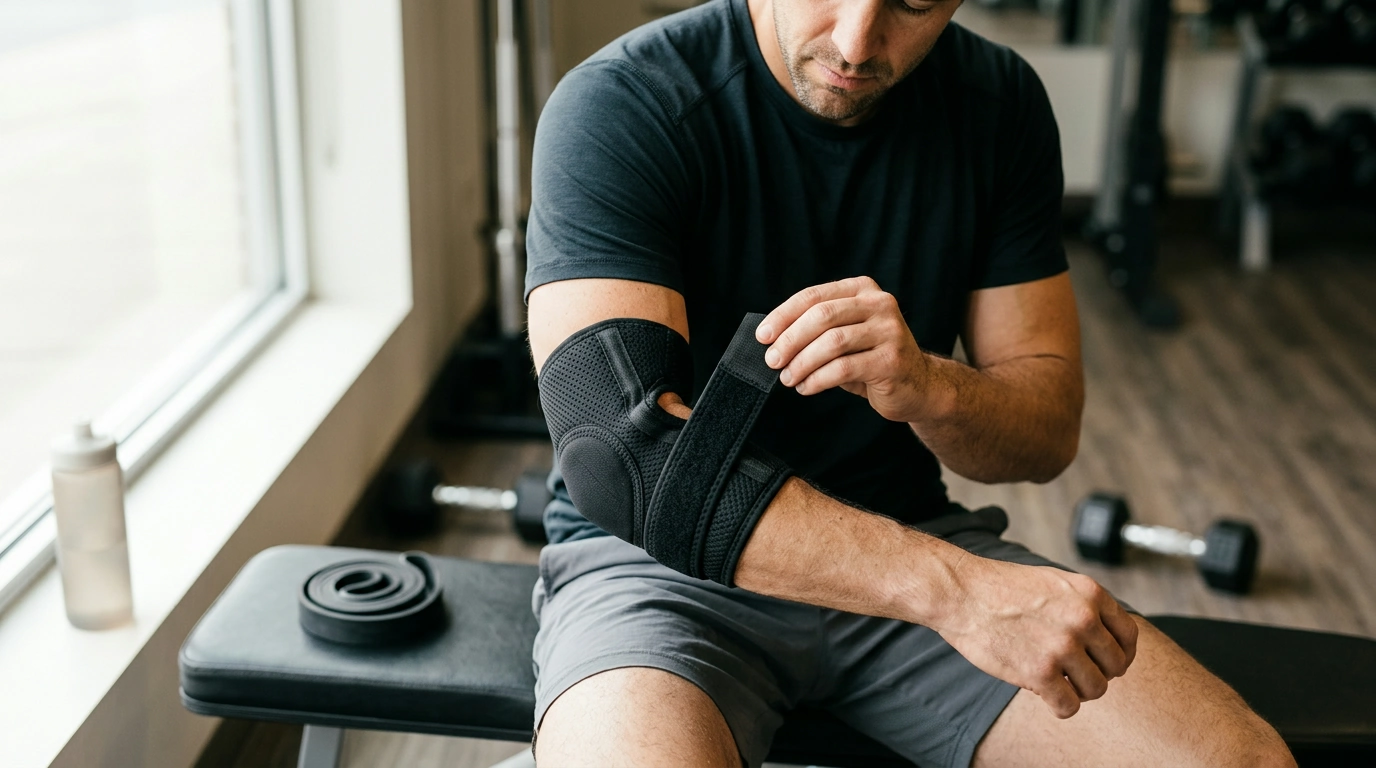
Adjustable Elbow Support with Dual Stabilizers: Comfortable Structure for Everyday Motion
Elbow pain and instability can show up during sports, lifting, repetitive work, or recovery after a strain. An adjustable brace with dual stabilizers is designed to add structure at the joint while still allowing daily movement, helping reduce uncomfortable twisting and overextension during activity. When the elbow feels “wobbly” or irritated, a well-fitted brace can make tasks like gripping, typing, carrying, or throwing feel more controlled.
For a straightforward option built for adjustable support, consider the Adjustable Elbow Support with Dual Stabilizers – Comfortable Arm Brace.
What a Dual-Stabilizer Elbow Brace Does
- Adds side-to-side reinforcement to help limit unwanted elbow wobble during motion
- Supports the joint during common aggravators like lifting, gripping, typing, or throwing
- Helps keep the elbow aligned while allowing controlled bending and straightening
- Adjustable straps allow a closer fit for swelling changes, layering, or comfort preferences
Dual stabilizers are typically placed along the sides of the elbow to reduce excessive lateral movement. That can be especially useful when the arm is repeatedly loaded (think: carrying grocery bags, using tools, or pressing weights) and the joint feels less steady than usual. It’s not about “locking” the arm; it’s about adding predictable guidance so everyday motion feels smoother.
Who It’s Helpful For
- Tennis elbow or golfer’s elbow symptoms from repetitive gripping and forearm strain
- Mild sprains, overuse irritation, or general elbow instability during activity
- Gym training (pressing, curls) when the elbow feels vulnerable or irritated
- Work tasks involving repetitive elbow motion (tools, assembly, computer use)
- Sports that stress the elbow joint (racquet sports, baseball/softball, volleyball)
If elbow pain is connected to tendon overuse, learning the basics of lateral epicondylitis can be helpful alongside bracing. Two reputable references include the American Academy of Orthopaedic Surgeons (AAOS) guide on tennis elbow and the Mayo Clinic overview of tennis elbow.
Key Features to Look For in Daily-Wear Comfort
- Dual stabilizers for structure without making the arm feel locked in place
- Breathable materials to reduce heat buildup during long wear
- Smooth edges and low-bulk profile to reduce rubbing under sleeves
- Secure, adjustable straps that stay put during movement
- Easy on/off design for people who need quick adjustments between tasks
Comfort matters as much as support. A brace that slips, pinches, or overheats tends to get worn less—right when consistency is most useful. Look for a wrap-style design that can be tensioned gradually. If you plan to wear it during training, pairing it with breathable apparel can reduce sweat buildup; a lightweight option like the Men’s Quick-Dry Short Sleeve Sports Shirt – Lightweight Workout & Running Top can help during long sessions.
Fit and Setup: Getting Support Without Cutting Off Circulation
- Position the brace so the elbow hinge area aligns with the natural bend of the joint
- Tighten straps gradually—aim for firm support without tingling, numbness, or color change in the hand
- Re-check fit after 10–15 minutes of wear as warmth and movement can loosen or tighten the feel
- For swelling or flare-ups, loosen slightly and prioritize circulation; re-tighten when symptoms calm
- If pain increases sharply, stop use and consider clinical guidance
A practical test: after fastening the brace, open and close your hand several times and rotate your wrist. Your fingers should stay warm and normal in color, and you shouldn’t feel throbbing or “pins and needles.” If the brace migrates as you move, re-center it and adjust strap tension in small increments rather than cranking everything tight at once.
How to Use It for Workouts, Sports, and Recovery Routines
- Warm-up first: gentle elbow bends and forearm rotations before tightening for activity
- During lifting: use for pressing/pulling days if the elbow feels unstable; avoid using the brace to push through sharp pain
- During racquet or throwing sports: wear during play and remove after if swelling or stiffness increases
- For desk work: lighter tension may be more comfortable than sport-level tightness
- Pair with rest, gradual loading, and technique adjustments for best results over time
For training days, think of the brace as “guardrails,” not a green light to ignore pain. If a movement produces a sharp, escalating sensation, back off the load, shorten range of motion, or swap the exercise. For desk work, a slightly looser fit often provides enough reminder support to reduce aggravating positions while staying comfortable for hours.
Quick Comparison: Brace Types and When They’re Used
Different designs solve different problems. If twisting and side-to-side stress are the main triggers, dual stabilizers can provide a more structured feel than a simple sleeve.
| Type | Primary support | Best for | Trade-offs |
|---|---|---|---|
| Compression sleeve | Light compression | Mild soreness, warmth, everyday use | Less stability for twisting/side-to-side stress |
| Forearm strap band | Tendon load reduction | Tennis/golfer’s elbow flare-ups | Doesn’t stabilize the elbow joint itself |
| Dual stabilizer brace | Joint reinforcement | Instability, repetitive work, sport stress | Slightly bulkier than a sleeve |
| Hinged rehab brace | High stabilization with motion limits | Post-injury guidance (clinical use) | More restrictive and often higher cost |
Care, Cleaning, and Longevity Tips
When to Seek Medical Advice
FAQ
Can an elbow brace be worn all day?
Often yes for comfort and support, as long as it doesn’t cause numbness, tingling, or skin irritation. Adjust tension for desk work, and take short breaks to check circulation and skin.
How tight should an adjustable elbow brace be?
It should feel snug and supportive without cutting off circulation. Fingers should stay warm and normal in color, and there should be no tingling or throbbing; loosen the straps if any of those symptoms appear.
Does a stabilizer brace help with tennis elbow?
It can help some people by reducing stressful movement at the joint and improving the sense of stability. For tendon pain, combining support with rest, graded strengthening, and technique changes is commonly recommended.









Leave a comment