High-Waisted Butt-Lifting Leggings for Yoga & Runs
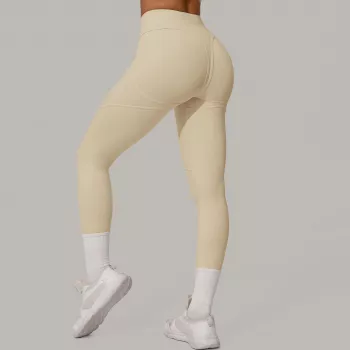
High Waisted Butt-Lifting Yoga & Running Leggings: Support, Shape, and Stay-Put Comfort
A pair of leggings that can handle squats, stretches, and steady miles needs more than a flattering look—it needs a secure waistband, supportive compression, and a fabric that moves with the body without turning sheer. The right high-waisted, shaping leggings can feel locked-in for runs while staying flexible enough for yoga flow. Below is what to look for, how to confirm the fit at home, and how to keep performance fabric feeling smooth and springy over time.
What Makes These Leggings Work for Yoga and Running
Yoga and running ask for two different types of comfort: deep range of motion on the mat and steady, repetitive movement on the road. The best crossover leggings are designed to do both without constant adjusting.
- High-rise waistband stability: A taller waistband helps reduce rolling and keeps the core area supported during bends, twists, and strides.
- Butt-lifting shaping (without stiffness): Shaping construction typically relies on strategic seams and contouring to enhance lift while still letting hips open freely.
- Stretch + recovery: Fabric should snap back after squats and lunges so you don’t end up with baggy knees or a sagging seat mid-workout.
- Comfort on the move: Chafe-minimizing seams and a smooth inner feel matter more the longer you go—especially on run days.
Fit Checklist: Getting the Right Feel in the Waist, Hips, and Legs
A “butt-lifting” effect should come from smart construction and balanced compression—not from buying leggings that are uncomfortably small. Use these checkpoints to dial in the fit.
- Waistband test: Take a deep breath and brace your core. Supportive should feel secure, not restrictive, with no pinching at the top edge.
- Squat test: Fabric should remain opaque and the waistband should stay in place without slipping down.
- Hip and glute fit: Contour seams should sit smoothly. Pulling, strain lines, or wrinkling around the seat often suggests sizing up or trying a different cut.
- Leg length: The hem should land where it won’t rub behind the knee or bunch at the ankle during runs.
- Compression preference: Light-to-moderate compression works well for yoga flow; moderate compression can feel steadier for running.
Quick At-Home Try-On Tests
| Test | How to do it | Good sign | Warning sign |
|---|---|---|---|
| Opacity check | Do a deep squat in bright light | Fabric stays non-sheer | Sheerness across seat/thighs |
| Waistband stay-put | Jog in place for 60 seconds | No rolling or sliding | Rolling, gaping, slipping |
| Range of motion | Low lunge + twist | No binding at hips | Tight pull at crotch/hip seam |
| Chafe risk | Walk briskly for 5 minutes | Seams feel smooth | Rubbing at inner thigh or waistband edge |
Shaping Details That Actually Matter
Not all “lifting” leggings are created equal. The details below are the ones that make a real difference in comfort and performance—especially when you switch from studio to pavement.
- Contour seams that frame (not squeeze): Well-placed seams can create lift by outlining the glutes. The best pairs feel supportive without sharp pressure points.
- Gusseted crotch or smart paneling: A gusset improves mobility and reduces seam stress in deep poses, wide stances, and hill strides.
- Balanced compression: Moderate compression can support muscles and smooth lines, while overly strong compression may feel restrictive on longer runs.
- High rise alignment: A true high rise helps keep leggings aligned during inversions, forward folds, and faster efforts where the waistband tends to drift.
Comfort on Long Sessions: Heat, Sweat, and Chafing
- Moisture management: Breathable, sweat-wicking fabric helps reduce cling and can feel cooler during cardio. Clothing guidance from Mayo Clinic highlights choosing gear that supports comfort and safety during exercise.
- Seam placement: Flat seams and thoughtful stitching reduce friction in high-rub zones like inner thighs and along the waistband edge.
- Temperature planning: For hot runs, prioritize lighter fabric and any built-in ventilation; for cooler weather, a slightly thicker knit can feel more comfortable and supportive.
- Underwear pairing: Seamless, moisture-wicking underwear (or none, if preferred) can reduce lines and friction, especially on longer efforts.
For broader training gear considerations, the American College of Sports Medicine (ACSM) offers education and resources that emphasize selecting appropriate athletic gear for the activity.
Styling and Use Cases: Studio-to-Street Versatility
Care Tips to Keep Stretch, Shape, and Color
For guidance on garment instructions and care labeling basics, the FTC’s care labeling resource is a helpful reference.
Product Snapshot: High Waisted Butt-Lifting Yoga & Running Leggings
If the goal is a secure, stay-put waistband and a shaping look that still moves comfortably, High Waisted Butt-Lifting Yoga & Running Leggings are built for dynamic movement and steady-paced cardio. They’re a practical pick for yoga flows, strength sessions, run days, and everyday wear when a smooth silhouette matters.
For a simple run-ready pairing, add a breathable top like the Men’s Quick-Dry Short Sleeve Sports Shirt – Lightweight Workout & Running Top to keep sweat under control on warmer days.
FAQ
Do high-waisted leggings roll down during running?
They can if the waistband is too small (causing it to fold) or too big (causing gaping and sliding). A higher rise with good elasticity and the right size usually stays put—confirm by bracing your core and jogging in place for about a minute to check for rolling.
How can opacity be checked before wearing leggings to the gym?
Do a deep squat in bright light and check a mirror or phone camera for sheerness across the seat and thighs. If the fabric looks see-through, sizing up or choosing a denser knit often improves coverage.
Should leggings feel tight for a butt-lifting effect?
They should feel supportive, not restrictive: you should be able to breathe normally, move through full hip range of motion, and avoid pinching at the waistband edge. A lifting look comes from seam placement and balanced compression, not from uncomfortable tightness.









Leave a comment