16in Rivet Nut Tool Kit: 11 Mandrels & 185 Rivnuts
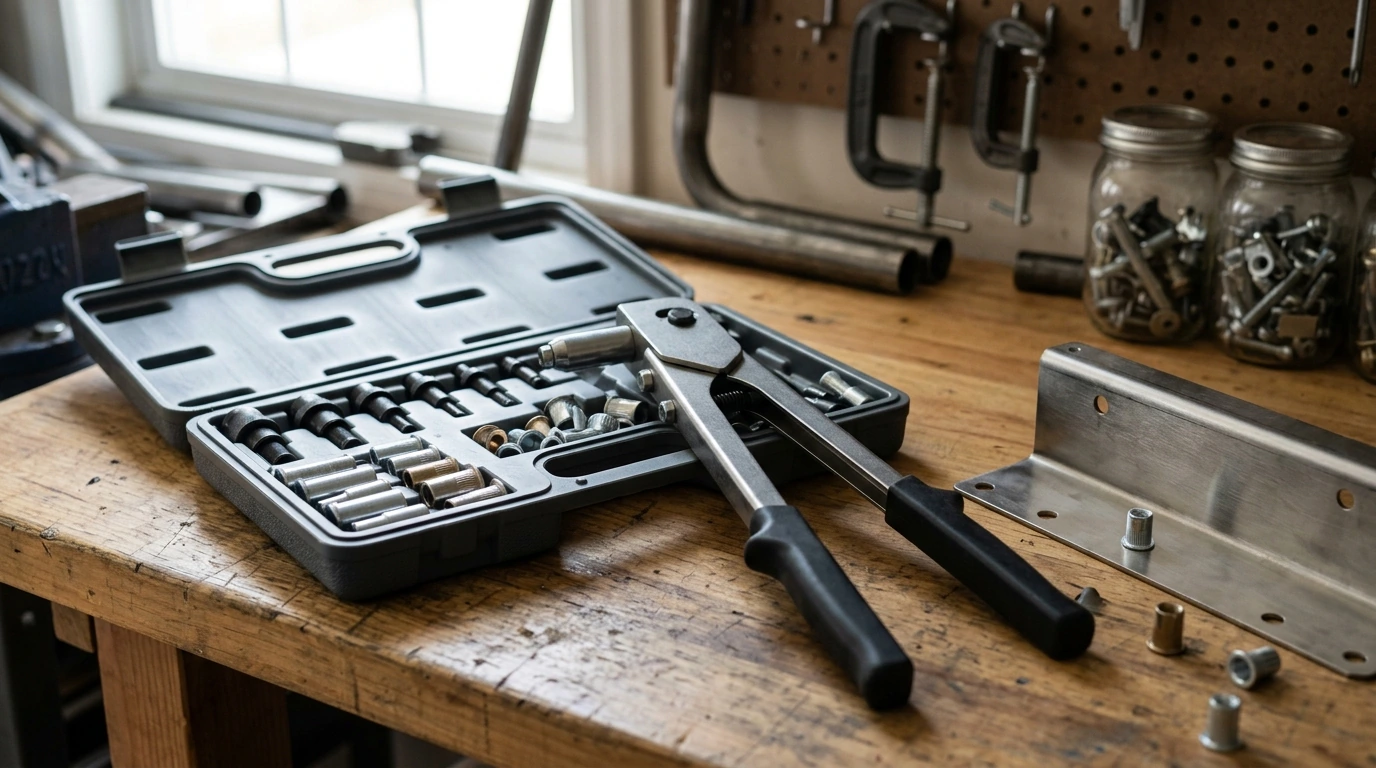
Strong Threads Where Regular Nuts Can’t Go: 16″ Rivet Nut Tool Kit (11 Mandrels + 185 Rivnuts)
A rivet nut tool kit makes it possible to add strong, reusable threads to thin sheet metal, tubing, and other materials where a regular nut can’t be used. This 16-inch kit pairs long-handle leverage with an 11-mandrel set and a 185-piece rivnut assortment for common repair, fabrication, and DIY fastening tasks. For anyone who works on vehicles, racks, enclosures, or light structural assemblies, it’s a practical way to create bolt-ready mounting points from one accessible side. For more guidance, see LIBRATON Rivet Nut Tool, Rivnut ….
What a rivet nut tool does (and why it’s useful)
A rivet nut (also called a rivnut or blind rivet nut) is a threaded insert that locks into a drilled hole by collapsing on the backside of the material. That collapse creates a clamped “bulb” that holds the insert in place, leaving you with durable internal threads on the accessible side. For further reading, see Rivnuts or Well Nuts Problem.
- Creates a threaded insert (“rivet nut”/“rivnut”) in thin materials by collapsing the insert from one side
- Allows bolts to be installed and removed repeatedly without stripping sheet metal
- Works well in blind locations where the backside cannot be accessed
- Commonly used on vehicles, equipment housings, racks, cabinets, and sheet-metal brackets
Compared with tapping thin metal, rivnuts often provide better thread engagement and help prevent the “one-and-done” problem where a stripped hole forces a larger fastener or a full part replacement.
What’s included in the kit
- 16-inch rivet nut hand tool for improved leverage and more consistent setting
- 11 mandrels to cover multiple rivnut thread sizes (swap to match the insert being installed)
- 185-piece rivnut assortment for quick size matching during repairs and builds
- Storage/carry case helps keep mandrels and inserts organized and reduces lost parts
Quick specs and at-a-glance details
This is a multi-size, hand-operated setup designed for installing rivet nuts in thin materials without backside access. Mandrel changes let one tool cover multiple insert sizes, while the included assortment helps minimize downtime when a project needs a size immediately.
Kit overview
| Item | What it includes | Notes |
|---|---|---|
| Tool length | 16 inches | Long handles help reduce effort when setting larger inserts |
| Mandrels | 11 total | Use the mandrel that matches the rivnut’s thread size |
| Rivnuts assortment | 185 pieces | Handy for mixed projects and repairs |
| Availability | In stock (20) | Check current stock before ordering |
| Price | $75.51 | May vary with promotions or updates |
Choosing the right rivnut and mandrel
Rivnut performance depends heavily on correct pairing: the insert type, the hole size, and the mandrel all have to match the job. A few checkpoints prevent most installation headaches.
- Match thread size: the mandrel must match the rivnut’s internal thread. Forcing mismatched threads can damage both and make removal difficult.
- Match material and environment: choose insert material appropriate for corrosion exposure (outdoor, marine, road salt) and compatible with the base metal to reduce galvanic corrosion risk.
- Match grip range: rivet nuts have a working thickness range. Too thin may spin; too thick may not collapse fully.
- Match head style: flange size and style affect pull-through resistance and how the insert sits on the surface.
For deeper technical selection guidance and installation basics, see resources from Böllhoff and AVK Fasteners.
How to install a rivet nut (clean, repeatable steps)
A consistent process helps avoid crooked sets, spinning inserts, and damaged threads. Use these steps as a repeatable routine, especially when setting multiple inserts in a row.
- Drill the correct hole size for the chosen insert (use the insert maker’s recommended drill diameter).
- Deburr the hole and remove paint or coatings that could prevent the insert from seating flat.
- Thread the rivnut onto the matching mandrel until seated.
- Insert the rivnut into the hole so the flange sits flush against the surface.
- Squeeze the handles to collapse the rivnut body; keep the tool square to prevent angled setting.
- Release and unthread the tool from the installed rivnut; verify the insert is tight and not spinning.
- Test-fit the bolt, then torque appropriately for the fastener and application.
If possible, set one rivnut in scrap first. A quick test piece makes it easier to confirm hole size, grip range, and the amount of handle force needed before committing to a finished panel.
Common uses for a 16-inch rivet nut tool
Tips to avoid spinning, pull-through, or crooked installs
Care, maintenance, and mandrel longevity
Shop in-stock picks
- 16″ Rivet Nut Tool Kit with 11 Mandrels & 185pcs Rivnuts Assortment
- Men’s Quick-Dry Short Sleeve Sports Shirt – Lightweight Workout & Running Top
- 6-in-1 Electric Shaver for Women – Painless Body, Face & Bikini Trimmer
FAQ
What causes a rivet nut to spin after installation?
Most spinning problems come from an oversized hole, the wrong grip range for the material thickness, or an insert that wasn’t fully collapsed. Verify drill size, confirm the insert’s grip range matches your material, deburr the hole, and set the tool square with firm, consistent compression.
How do you pick the right drill size for a rivnut?
Use the insert manufacturer’s drill chart for the specific rivnut size and style, since the correct hole depends on the insert’s outside diameter and body design. When possible, drill and set one rivnut in scrap first to confirm fit before working on the final part.
Can rivet nuts be installed in stainless or aluminum sheet?
Yes—rivet nuts work well in both stainless and aluminum sheet when you choose the right insert material for corrosion conditions and prep the hole correctly. In stainless-on-stainless situations, a small amount of suitable lubricant or anti-seize on the mandrel and fastener threads can help reduce galling.










Leave a comment