Men’s Quick-Dry Sports Shirt: Lightweight Workout Tee
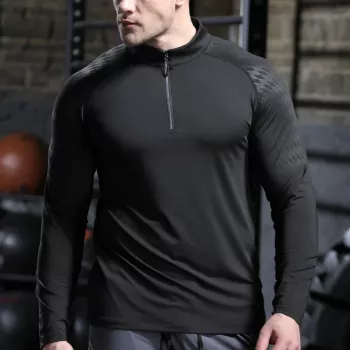
Men’s Quick-Dry Short Sleeve Sports Shirt – Lightweight Workout & Running Top
A good training shirt should feel light, move with the body, and dry fast when the pace picks up. The difference is noticeable on a humid run, during a high-rep lifting session, or halfway through a circuit workout when a standard cotton tee starts to feel heavy and clingy. A quick-dry short sleeve sports shirt is built for those moments—where comfort depends on breathable fabric, smooth seams, and a fit that stays steady even when sweaty.
If you train in warm weather or tend to sweat a lot, a fast-drying top can also help you manage heat more effectively by reducing the amount of moisture sitting against your skin. For heat-safety basics, the CDC’s guidance on heat stress is a helpful reference: https://www.cdc.gov/niosh/topics/heatstress/.
What Makes a Quick-Dry Training Shirt Different
Quick-dry training tops are designed around moisture management and movement. That usually means synthetic or performance-blend fabrics that pull sweat off your skin, spread it across the surface of the shirt, and allow it to evaporate sooner.
- Moisture-wicking fabric: Helps move sweat away from your skin so it can evaporate faster, reducing that sticky, soaked feeling.
- Lightweight construction: Less bulk means less “heavy shirt” drag during long runs or high-volume gym sessions.
- Breathability: In heat and humidity, airflow can matter just as much as drying speed—especially around the torso where heat builds up.
- Comfort-first finishing: A smooth interior, comfortable neckline, and non-scratchy feel help prevent irritation during repetitive motion.
Where This Shirt Fits Best: Running, Gym, and Everyday Training
A versatile quick-dry tee earns its spot when your week includes different workout types. Instead of having separate “run-only” and “lift-only” tops, many athletes prefer one dependable shirt that can handle sweat, friction, and constant movement.
- Running: Designed to stay comfortable as sweat builds, with short sleeves that won’t restrict arm swing and fabric that doesn’t stay waterlogged.
- Gym and strength training: A lightweight feel is ideal for supersets, free weights, and machine work where you’re changing positions often.
- HIIT and circuit work: Stop-and-go intensity creates quick temperature swings; quick-dry performance helps you avoid cooling down in a drenched shirt between rounds.
- Outdoor activity and travel: Low bulk and fast drying are useful for hikes, walks, and packing light—especially if you wash and air-dry items overnight.
Comfort and Fit Details to Look For
Comfort is more than softness. For training shirts, comfort comes from how the fabric behaves when you’re moving, sweating, and repeating the same motions hundreds (or thousands) of times.
- Mobility: Look for a cut that allows overhead reach, rows, pushups, and rotational work without the body of the shirt riding up.
- Skin comfort: Smoother stitching and a soft hand feel can reduce chafing risk during longer sessions.
- Length and hem coverage: Enough length helps the shirt stay put during squats, deadlifts, and sprints—especially when bending and hinging.
- Layering-friendly shape: A streamlined fit works under a hoodie, quarter-zip, or light jacket without bunching around the shoulders and chest.
For practical anti-chafe tips (including where friction commonly happens), the American Academy of Dermatology has a clear overview: https://www.aad.org/public/everyday-care/skin-care-basics/dry/prevent-chafing.
Quick Care Tips to Keep Quick-Dry Fabric Performing
Performance fabric works best when its surface stays clean and free from residue. A few simple habits can help maintain wicking, breathability, and shape over time.
- Wash cold or warm on gentle: Reduces wear on performance fibers and helps prevent premature stretching.
- Skip fabric softeners: They can coat the fabric and reduce wicking and airflow.
- Air dry when possible: Or tumble dry on low to help preserve elasticity and avoid heat damage.
- Rinse after very sweaty sessions: A quick rinse (even before laundry day) can reduce odor buildup in synthetic fabrics.
Feature Checklist for a Lightweight Workout Top
Use this checklist to compare training shirts when deciding what to wear for heat, long sessions, or high sweat output. Prioritize the first three items for running and cardio; prioritize mobility and abrasion resistance for gym training.
| Feature | Why it matters | Best for |
|---|---|---|
| Moisture-wicking | Moves sweat off skin to improve comfort | Running, HIIT, hot-weather workouts |
| Fast drying | Reduces cling and helps regulate temperature | Outdoor training, travel, multi-session days |
| Breathable weave/mesh zones | Improves airflow where heat builds up | Summer runs, treadmill, circuits |
| Chafe-minimizing seams | Less irritation during repetitive motion | Long runs, rowing, high-volume sessions |
| 4-way stretch or flexible knit | Better range of motion without tugging | Strength training, functional fitness |
| Easy-care odor control habits | Helps performance fabrics stay fresh longer | Frequent training schedules |
Pick the Right Shirt for Your Climate and Workout Intensity
Product Options
FAQ
Does a quick-dry sports shirt reduce sweating?
No—quick-dry fabric doesn’t stop your body from sweating. It helps manage moisture by wicking sweat off the skin and drying faster, which can improve comfort and reduce cling.
How should a running shirt fit to prevent chafing?
Aim for a fit that’s not overly loose (less fabric rubbing) and not overly tight (less pressure and friction). Smooth seams, a stable neckline, and a comfortable underarm area also help reduce chafing on longer runs.
Can quick-dry workout shirts go in the dryer?
Yes, but air drying is best when possible. If you use a dryer, choose low heat and avoid fabric softener to help preserve wicking performance and overall fabric life.









Leave a comment