Special-Occasion Table Styling: A Simple Hosting Formula
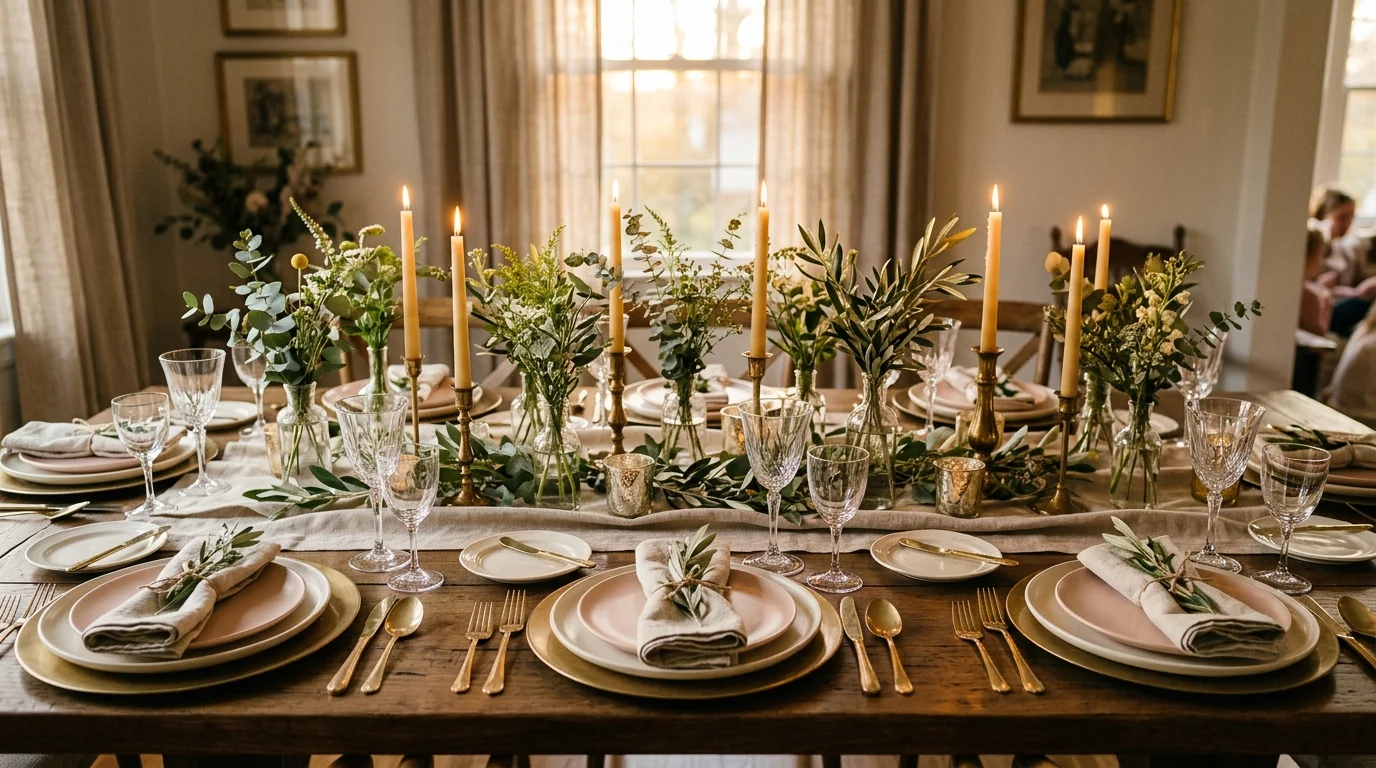
Table Magic: Styling Your Space for Special Occasions
A well-styled table sets the mood before the first toast. With a few intentional choices—color, layers, lighting, and a centerpiece that fits the moment—any gathering can feel polished, welcoming, and easy to host. Use the method below as a repeatable formula for holidays, birthdays, anniversaries, and even last-minute celebrations.
Start with the occasion and the feeling
Before you pull out linens or candles, define the vibe in one line. “Romantic and candlelit,” “festive and bright,” or “cozy and rustic” instantly narrows your choices and keeps the table from feeling cluttered or confused.
- Match formality to the plan: passed bites and cocktails can handle taller moments (like a few airy stems), while plated dinners benefit from lower centerpieces and more place-setting structure.
- Choose one focal point: decide whether the hero is a statement centerpiece, standout napkins, or dramatic lighting. One star looks curated; three competing stars look chaotic.
- Pick “abundant” or “airy”: abundant means layered textiles, fuller greenery, and more sparkle; airy means negative space, sculptural elements, and fewer—but bolder—details.
Pick a color palette that looks intentional
The easiest palettes follow a simple structure: 1 base neutral + 1 main color + 1 accent (metallic, deep tone, or soft contrast). Repeat those tones across linens, candles, and small accessories to make the table feel designed rather than “assembled.”
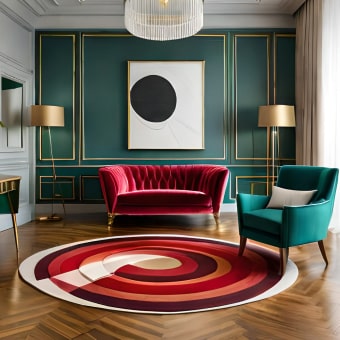
- Borrow from your room: pull cues from artwork, a rug, or curtains so the table feels like it belongs in the space.
- Think candlelight and photos: deeper tones (burgundy, forest, navy) read rich at night; soft warms (cream, blush, terracotta) flatter skin tones and food.
- Use one hero pattern: if you love a floral napkin, keep plates and runner solid or textured—too many patterns fight for attention.
Easy palettes for common celebrations
| Occasion | Base | Main | Accent |
|---|---|---|---|
| Birthday brunch | White | Coral | Gold |
| Anniversary dinner | Ivory | Burgundy | Brass |
| Holiday gathering | Cream | Forest green | Cranberry |
| Baby shower | Soft gray | Blush | Champagne |
| New Year’s | Black | White | Silver |
Build the table in layers (base to sparkle)
Layering is what makes even simple dishware look elevated. Work from the biggest surfaces down to the smallest details so every addition feels intentional.
- Base layer: choose one dominant surface—tablecloth, runner, or bare wood. If your table is beautiful, let it breathe and use a runner for structure.
- Second layer: add placemats or chargers to frame each setting and visually “anchor” the place at the table.
- Third layer: bring in plates and glassware. Mixing pieces can work if silhouettes stay consistent (for example, all coupe glasses or all straight-sided tumblers).
- Top layer: napkins, rings/ties, menus, and place cards. This is where the personality shows up without creating clutter.
- Use odd numbers: group tealights in 3s or bud vases in 5s for a relaxed, natural rhythm.
Centerpieces that don’t block conversation
A centerpiece should create atmosphere without turning dinner into a game of peekaboo. The safest rule is low and long or tall and airy—avoid dense mid-height arrangements at eye level.
- Repeat an element: instead of one bulky bouquet, run small bud vases, tiny bowls of citrus, or candle clusters down the center.
- Keep scents subtle: heavily fragranced florals and strong candles can compete with food (and sensitive guests).
- Add texture: greenery, linen ribbon, seasonal branches, pinecones, or stone fruit reads rich without much effort.
- Do the sightline test: sit down and confirm you can see and talk to the person across from you comfortably.
Lighting that flatters food and guests
Lighting is the fastest way to make a table feel special—especially when the rest of the room is calm and slightly dim. Aim for warm, layered glow rather than one bright overhead blast.
- Layer sources: dim overhead + candles + a nearby lamp or string lights for depth.
- Candle basics: vary heights, use dripless tapers when possible, and keep flames away from foliage, sleeves, and low-hanging decor.
- Outdoor tables: use hurricanes or lanterns for wind protection, and secure lightweight runners so they don’t slide mid-toast.
- Keep a service zone brighter: make the buffet/drinks area functional, while the dining table stays warm and soft.
Place settings that feel elevated (without overdoing it)
You don’t need every possible piece to make a setting feel luxe. One meaningful upgrade plus clean, consistent placement is usually enough.
Theme ideas that work year-round (topic-280394-attempt-1)
A quick setup timeline (so styling stays fun)
When a guide helps most
If you’d like a ready-to-follow reference you can keep on your phone while styling, consider the Table Magic: Styling Your Space for Special Occasions eBook Guide. And after the last dish is done, a simple wind-down can feel like part of hosting well—AI-Powered Checklist for Better Sleep Adventures is a quick digital option for post-party decompression.
For classic etiquette and place-setting references, see the Emily Post Institute’s table setting guide and browsing-friendly inspiration from Martha Stewart’s table setting ideas.
FAQ
What’s the easiest way to make a table look more elegant fast?
Pick one high-impact upgrade (linen napkins or candlelight), simplify to 2–3 colors plus a neutral, and add height variation with a few tapers or bud vases. Keep the centerpiece low enough for easy conversation.
How do you style a centerpiece that won’t get in the way of serving?
Use a low-and-long arrangement (greenery garland with candle clusters) or repeat small bud vases down the table, leaving clear lanes for platters and hands. Space candles safely and avoid bulky pieces that force dishes to detour.
How many colors should a special-occasion table use?
Two to three colors plus a neutral is the sweet spot. Repeat those colors across linens, florals, and candles so the table reads cohesive even if your dinnerware is mixed.




Leave a comment