Car Seat Leg Support Extender: Thigh Comfort on Drives
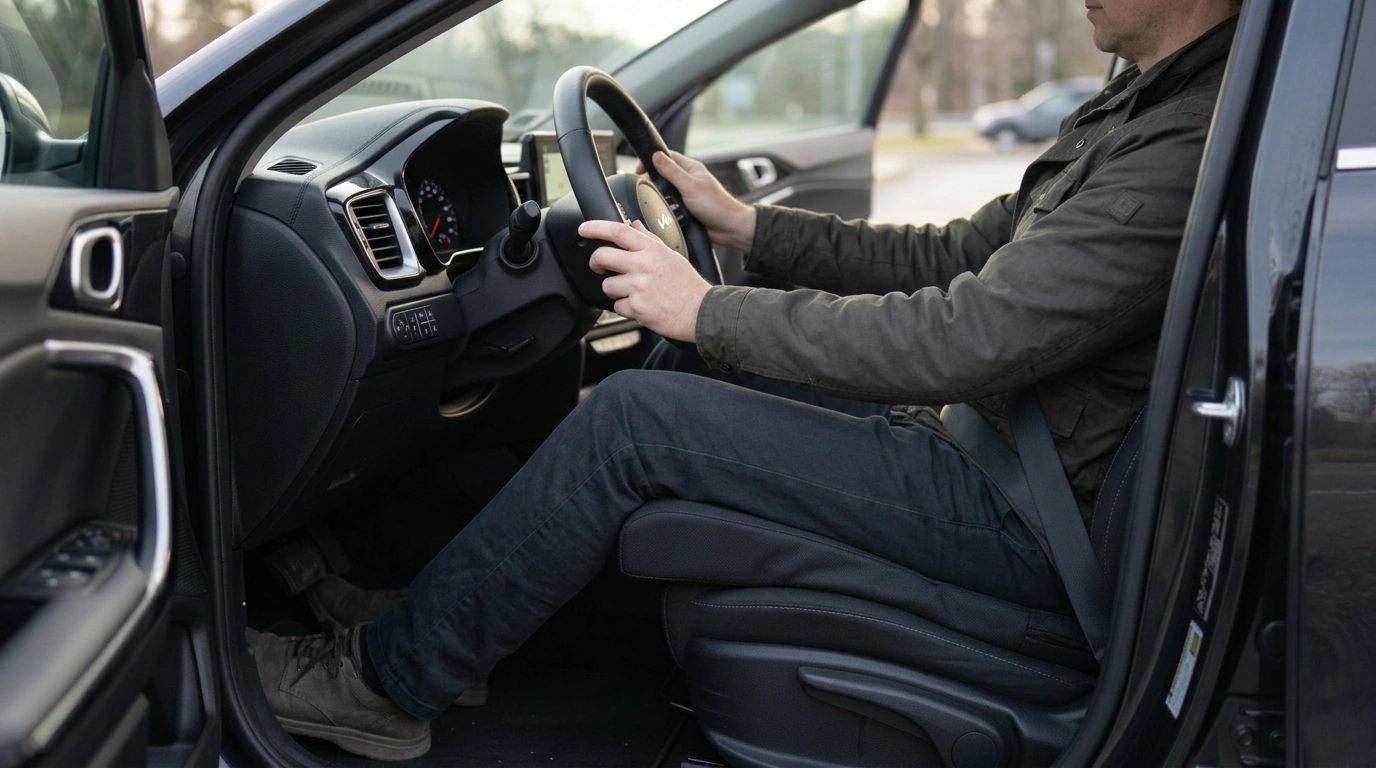
Long drives can leave legs feeling heavy, hips tight, and lower back stressed—especially when the seat pan feels too short for the driver’s thighs. A car seat cushion leg support extender adds usable seat length and cushioning where it matters most, helping distribute pressure more evenly and making daily commutes or road trips feel noticeably easier.
What a Leg Support Extender Does
A leg support extender is designed to “finish” the front edge of a car seat by adding stable, supportive padding under the thighs. When the factory seat feels short, drivers often unconsciously slide forward, tuck the pelvis, or tense their legs to stay comfortable—small adjustments that add up over time.
- Extends the effective seat depth so thighs are supported closer to the knees without forcing a slouched posture.
- Helps spread body weight across a larger surface area to reduce “hot spots” under the thighs and seat bones.
- Can improve comfort for taller drivers or anyone whose legs feel under-supported by the factory seat.
- Adds a stable front edge that can reduce the urge to brace with the right leg during steady cruising.
Comfort and Ergonomic Benefits on the Road
When thigh support improves, many drivers notice it’s easier to maintain a steady, neutral sitting position instead of constantly searching for a “good spot.” This matters for comfort, but also for consistency—especially on longer highway stretches or repetitive commute routes.
- Pressure distribution: less concentrated pressure can mean fewer numbness/tingling complaints during longer sessions. If numbness persists or is sudden, it’s worth reviewing possible causes with a medical professional (see general guidance on numbness from Mayo Clinic).
- Posture support: better thigh support can reduce pelvic tilt and help the spine stay more neutral, aligning with common ergonomics principles for reducing musculoskeletal strain (overview from NIOSH).
- Reduced fatigue: fewer micro-adjustments and less “hovering” of the legs can make stops and exits feel less stiff.
- Better comfort across seasons: a supportive pad can buffer temperature swings from hot/cold seat surfaces.
Comfort improvements tend to be subtle at first: less squirming, fewer “dead leg” moments, and a smoother transition from sitting to walking after a long stint behind the wheel.
Is It a Good Fit for Your Car and Body?
Not every seat shape—or every driver—needs the same approach. A leg support extender is most helpful when the seat edge lands too far back on the thighs, leaving you perched rather than supported.
- Best match: drivers who feel the seat is too short, thighs don’t feel supported, or legs feel heavy on longer drives.
- Seat type considerations: bucket seats, sport bolsters, and deep contours may affect how securely an extender sits.
- Body size considerations: very short drivers may prefer a thinner profile to avoid pushing the knees too high.
- Driving style considerations: frequent stop-and-go driving may require extra attention to pedal clearance and placement.
A simple check: if you’re comfortable at the pedals but feel a pressure line under mid-thigh—or you have a noticeable gap from the seat edge to the back of your knees—extra front support may help.
Key Features to Look For Before Buying
Seat cushions can feel similar at a glance, but small design differences can determine whether the pad stays put and feels good after an hour (not just for the first five minutes).
Quick checklist for choosing a car seat leg support extender
| What to check | Why it matters | Simple at-home test |
|---|---|---|
| Seat depth vs. thigh length | Reduces under-thigh pressure and fatigue | Sit normally; if 2–4 fingers fit between seat edge and back of knee, added support may help |
| Pedal and knee clearance | Maintains safe braking/accelerator control | With the pad in place, confirm full pedal travel without lifting hips or twisting |
| Stability/anti-slip | Prevents sliding that can disrupt posture | Press the pad forward and side-to-side; it should resist shifting |
| Front edge feel | Avoids pressure behind the knee | After 10–15 minutes, check for tingling at the back of the knee |
| Cover breathability/cleaning | Comfort in heat and easy maintenance | Rub fabric with damp cloth; check if it dries quickly and cleans easily |
Setup Tips and Safe Placement
For safety basics, keep seat belts unobstructed and properly positioned; if the cushion changes how you sit, re-check belt fit and latch access (general seat belt guidance from NHTSA).
Care, Durability, and Daily Use
Product Spotlight: Car Seat Cushion Leg Support Extender for Drivers – Ergonomic Vehicle Seat Pads
If the front edge of your seat feels like it stops short, a purpose-built extender can be a straightforward add-on. Car Seat Cushion Leg Support Extender for Drivers – Ergonomic Vehicle Seat Pads is designed to add front-of-seat support that can make longer drives more comfortable for legs and hips—without replacing the entire seat.
For overall recovery between long driving days, better sleep habits can complement ergonomic improvements. AI-Powered Checklist for Better Sleep Adventures is a lightweight digital guide that can help structure wind-down routines when your schedule includes early starts or late arrivals.
FAQ
Will a leg support extender affect pedal control?
It shouldn’t when it’s placed correctly, but it must be tested. While parked, confirm full brake and accelerator travel without lifting your hips or forcing an awkward ankle angle; take a short drive and stop using it if anything interferes.
How far should the extender sit from the back of the knee?
Leave a small gap so the pad supports the thighs without pressing into the area behind the knee. Tingling, numbness, or a “pinched” feeling behind the knees are signs the pad is too close or too thick.
Is this helpful for long-distance driving and rideshare work?
Yes—better thigh support and pressure distribution can reduce fatigue during sustained sitting. Pair it with regular breaks, small seat-position check-ins, and brief leg/hip stretches for the most consistent relief.









Leave a comment