Autumn-Ready Cotton Knit Romper for Newborn Comfort
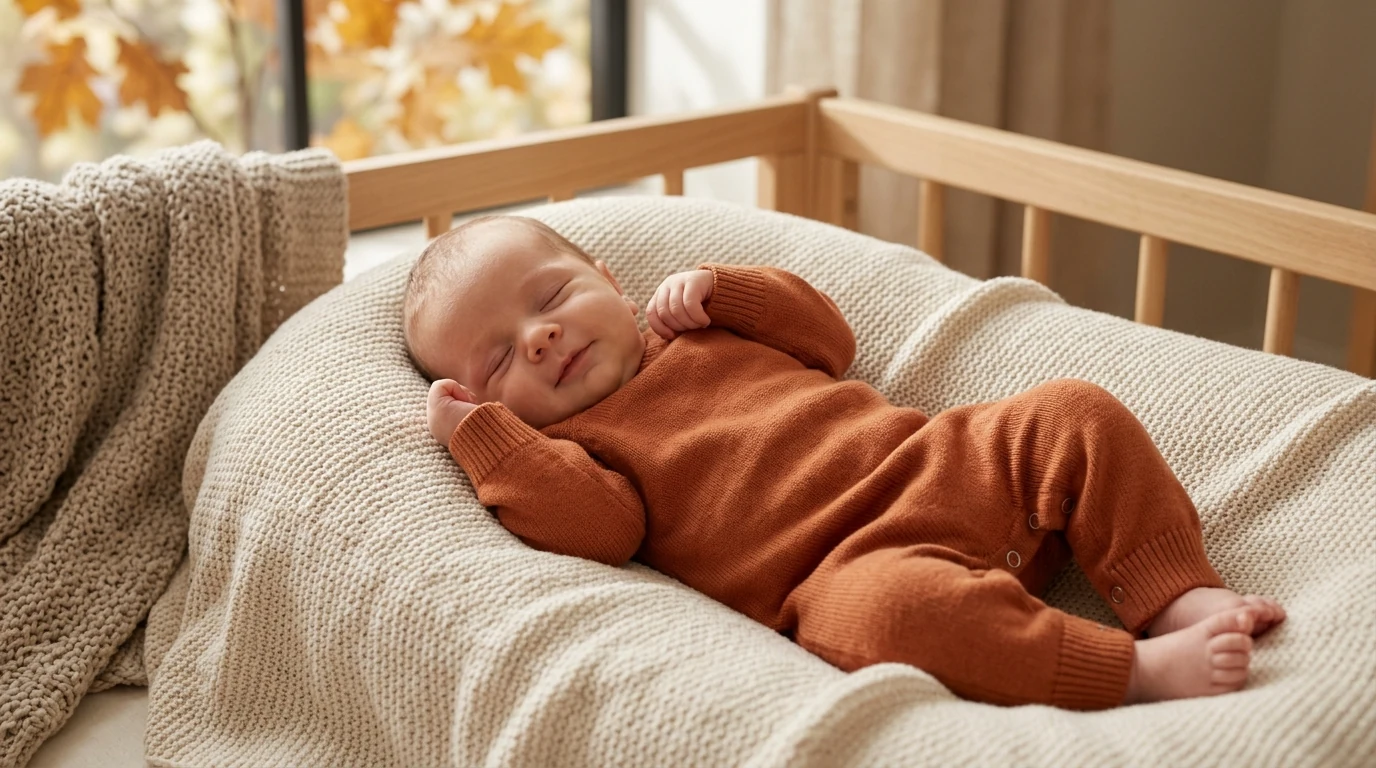
Cozy Cotton Knitted Baby Romper for Crisp Autumn Days
A soft, long-sleeve knitted romper can simplify fall dressing for newborns by keeping warmth close to the body while still allowing easy diaper changes and comfortable movement. Cotton knit is especially helpful during autumn’s up-and-down temperatures, when a baby might go from a warm living room to a breezy stroller walk in minutes. Below are the key details to look for, how to size and layer, and how to care for a knitted cotton onesie so it stays gentle on delicate skin.
What Makes a Knitted Cotton Romper a Good Autumn Essential
Autumn dressing is often about finding the sweet spot: cozy enough for cool air, but breathable enough for heated indoor spaces. A knitted cotton romper checks those boxes in a practical, everyday way.
- Warmth without bulky layering: The knit structure helps trap small pockets of air while staying flexible for wriggles, tummy time, and contact naps.
- Breathability for variable temperatures: Compared with heavy synthetic fleece, cotton knit tends to feel less stuffy when the room warms up or the car heater kicks on.
- Long sleeves reduce extra arm layers: In mild-to-cool weather, you may be able to skip an additional long-sleeve top, keeping dressing simpler.
- One-piece coverage stays put: A romper helps prevent the waistband area from riding up during naps, stroller walks, or when a baby is being carried.
Comfort and Skin-Friendly Details to Prioritize
Newborn comfort comes down to small construction choices: how seams feel, how the neckline stretches, and whether closures sit smoothly against skin. When comparing options, focus on the areas that touch baby most—neck, shoulders, wrists, thighs, and diaper area.
- Soft hand-feel: Choose cotton knits that feel smooth at the inner arm and neckline (two spots that can show irritation first).
- Gentle seams: Tidy stitching and minimal internal bulk help reduce rubbing at the shoulders and leg openings.
- Neck opening comfort: A neckline that stretches or opens enough helps avoid tugging over the head, especially when baby is sleepy or sensitive.
- Diaper access: Practical closures (snaps/buttons) placed for quick changes can prevent fully undressing and help retain warmth.
- Cuff and ankle finish: Snug-but-not-tight ribbing can hold warmth and keep sleeves/legs in place without leaving marks.
Quick comfort checklist
| Detail | Why it matters | What to look for |
|---|---|---|
| Knit softness | Reduces irritation on sensitive newborn skin | Smooth yarn, no scratchy feel at neckline/wrists |
| Closures | Faster diaper changes and less heat loss | Secure snaps/buttons with easy alignment |
| Seams | Prevents rubbing during movement | Flat, neat stitching at shoulders and sides |
| Ribbed cuffs | Keeps sleeves/legs in place | Gentle stretch that doesn’t leave deep marks |
| Breathability | Helps prevent overheating indoors | Cotton knit with comfortable airflow |
Sizing and Fit: Keeping Newborns Cozy Without Restriction
A romper should feel secure, but never restrictive. Since newborn proportions vary (and growth can be fast), it helps to think in terms of mobility and comfort rather than a “perfect” silhouette.
For sleep safety guidance, it’s helpful to review the American Academy of Pediatrics (AAP) safe sleep recommendations and the U.S. Consumer Product Safety Commission (CPSC) safe sleep guidance, especially when deciding how to layer overnight.
Layering Ideas for Fall Weather Swings
Care Tips for Knitted Cotton Babywear
- Follow the care label: Gentle cycles can help preserve knit shape and reduce pilling over time. The FTC Care Labeling Rule explains why these labels matter for apparel care.
- Use mild, fragrance-free detergent when possible: This can reduce the risk of irritation on sensitive skin.
- Wash with similar colors: Avoid harsh bleach to maintain texture and appearance.
- Reshape while damp: If recommended, lay flat to dry to help prevent stretching and keep cuffs and hems looking neat.
- Inspect closures regularly: Check snaps/buttons to ensure they remain secure, smooth, and aligned for quick changes.
Product Spotlight: Cozy Cotton Knitted Baby Romper (Long Sleeve)
- Shop the Cozy Cotton Knitted Baby Romper Long Sleeve Autumn Onesie for Newborns for a warm, comfortable one-piece designed with a knitted cotton feel.
- Long-sleeve coverage can help reduce the number of layers needed on cooler days.
- A practical pick for everyday wear, photo moments, and gifting for new parents.
- Pairs easily with simple add-ons like hats, socks, and lightweight jackets.
- For a calming nighttime routine that complements cozy sleepwear, consider the AI-Powered Checklist for Better Sleep Adventures | Digital Sleep Guide for Relaxation, Lucid Dreaming & ai suggestions for better dreams.
FAQ
Is knitted cotton warm enough for a newborn in autumn?
Knitted cotton offers gentle warmth while still breathing well, which helps during fluctuating indoor/outdoor temperatures. On cooler days, add a thin base layer plus a hat and socks, and check warmth at the back of the neck to avoid overheating.
How should a newborn romper fit for comfort and safety?
A newborn romper should be snug but not tight, with comfortable room through the chest and diaper area for kicking and bending. Cuffs should sit at the wrist and ankle (not cover hands/feet), and closures should lie flat without rubbing at the shoulders, thighs, or belly.
What is the best way to wash a knitted baby romper so it stays soft?
Follow the care label, use a gentle cycle with mild detergent, and wash with similar items to reduce friction. When recommended, reshape the garment while damp and lay it flat to dry, avoiding high heat that can stiffen fibers or distort the knit.









Leave a comment