Cordless Electric Spin Scrubber: 8 Heads, Less Scrubbing
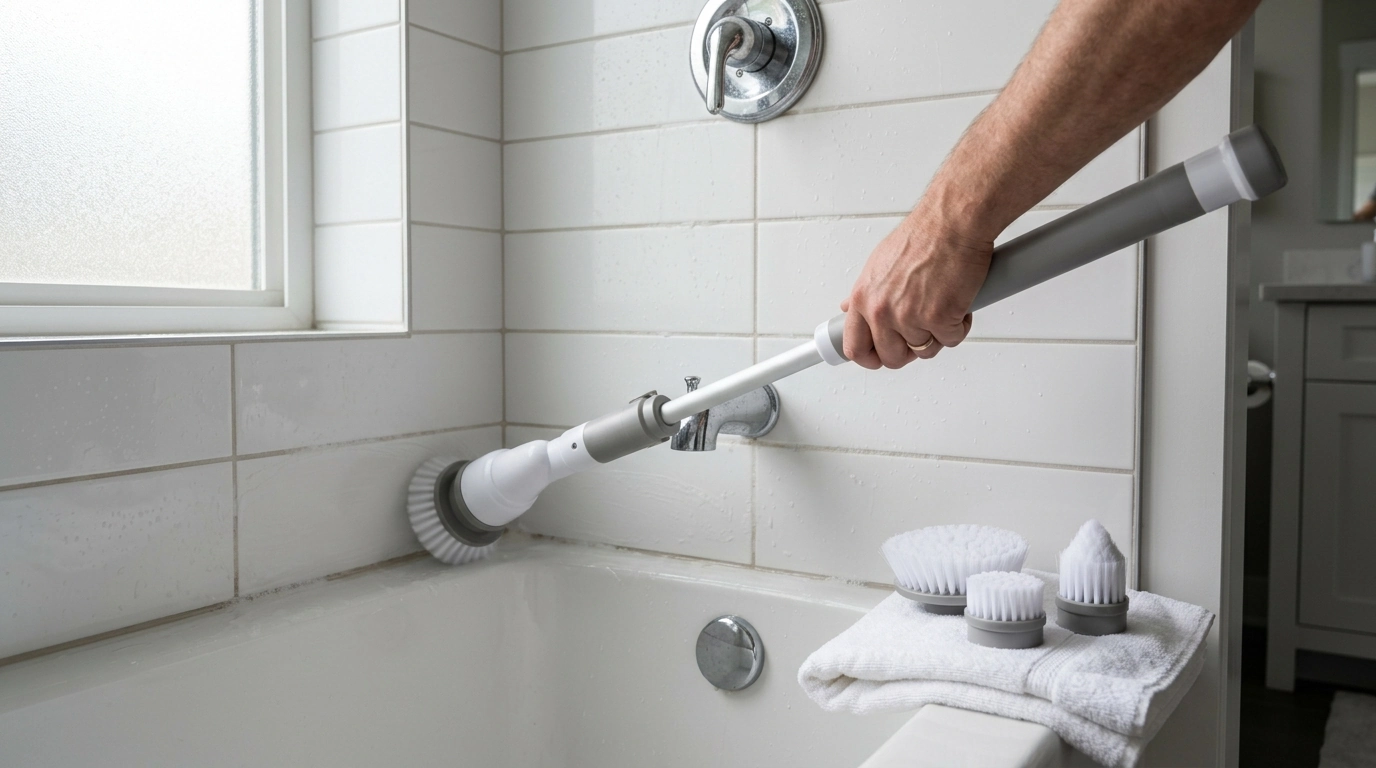
Cordless Scrubbing, Less Strain: Why an Electric Spin Scrubber Belongs in a Busy Home
Stuck-on soap scum, grout haze, and shower buildup can take a toll on wrists and knees. A cordless electric spin scrubber pairs rotating power with interchangeable brush heads to tackle different surfaces, while an adjustable arm helps reach tubs, corners, and high tile lines without constant bending. The result is a faster routine for bathrooms, kitchens, and even outdoor touch-ups—without the “scrub until your arm hurts” part.
What It Is and Where It Helps Most
An electric spin scrubber is a handheld, cordless powered scrubber that replaces repetitive hand scrubbing with rotating brush action. Instead of relying on elbow grease alone, you guide the head across the surface while the motor provides steady agitation.
- Common use areas: shower walls, bathtub rings, tile and grout lines, sinks, stove backsplashes, and patio furniture.
- Adjustable reach: an extendable arm helps clean awkward angles and reduces the need to kneel, bend, or overreach.
- Interchangeable heads: switching heads lets you go from broad wall passes to seam and edge work in seconds.
If you want a ready-to-go option, see the Electric Spin Scrubber with 8 Brush Heads & Adjustable Arm – Cordless Power Scrubber.
What Comes in the Box: 8 Brush Heads and How to Use Them
The main advantage of a multi-head scrubber is matching the brush to the job. Wide heads speed up wall and floor cleaning; smaller, shaped heads shine in grout lines, corners, and transitions around fixtures.
- Round brush: general tub, sink, and tile cleaning where a wide contact patch is helpful.
- Flat brush: larger, flatter areas like shower walls and floors.
- Corner/edge-style head: seams, grout edges, and transitions near fixtures.
- Soft polishing-style head: gentler cleaning for glass, acrylic, or delicate finishes (use low pressure).
- Stiff detailing head: stubborn grout or textured tile (test first to avoid scratching).
- Hygiene tip: keep one head dedicated to bathrooms and another to kitchen surfaces.
Brush Head Quick Guide
| Brush head type | Best for | Practical tip |
|---|---|---|
| Round | Tubs, sinks, curved areas | Let the bristles do the work; avoid pressing hard to reduce splatter |
| Flat | Shower walls, floors, large tiles | Work in overlapping passes for even coverage |
| Corner/Edge | Corners, grout edges, baseboards | Angle the head slightly to track along seams |
| Soft/Polish | Glass, acrylic, gentle wiping | Pair with non-abrasive cleaner; rinse often |
| Stiff/Detail | Grout, textured tile, tough spots | Spot-clean first; stop if finish looks dull |
Adjustable Arm: Reaching High Tile and Deep Corners
An adjustable arm changes the ergonomics of bathroom cleaning. Instead of crouching for floor grout or stretching for upper tile rows, you can stay more upright and guide the scrubber where it needs to go.
- Higher reach: the adjustable length helps clean shower walls and upper tile rows without a step stool in many cases.
- Better leverage: helps with floor grout lines and tub basins while standing more upright.
- Detail access: improves reach behind faucets, around drains, and along tub-to-wall seams.
- Less fatigue: keep wrists straight and guide from the elbow/shoulder instead of cranking your wrist.
Cordless Power and Battery Habits That Extend Runtime
Going cordless means no snagging on shower doors or wrapping cords around a sink pedestal. It’s also easier to bounce between bathroom, kitchen, and outdoor areas without hunting for an outlet.
- Start strong: charge fully before the first deep clean; quick touch-ups typically use less power than heavy grout work.
- Rinse promptly: wash heads after use so residue doesn’t harden and create extra resistance next time.
- Dry before storing: avoid leaving a wet head attached; let components dry to protect the motor area.
- Troubleshoot drag: if performance drops, check for hair/debris tangled in bristles or around the head mount.
For disinfecting steps and safe cleaning practices, follow guidance from authoritative sources like the CDC’s cleaning and disinfecting recommendations and choose appropriate products as outlined by the EPA’s List N. When using strong chemicals, ensure airflow and follow safety reminders such as those from the CPSC on ventilation and safe use of fuel-burning appliances (helpful for general “keep air moving” habits in enclosed spaces).
Surface Safety: Preventing Scratches and Dull Spots
Spinning power is useful—but it should be controlled. The two biggest causes of damage are using an overly stiff head on a delicate finish and pairing a brush with an abrasive cleaner.
Fast Cleaning Routines (5–15 Minutes)
Care, Cleaning, and Storage
Who This Scrubber Fits Best
Helpful Add-Ons for Cleaning Day
- Electric Spin Scrubber with 8 Brush Heads & Adjustable Arm – Cordless Power Scrubber for faster tub, tile, and grout maintenance.
- Men’s Quick-Dry Short Sleeve Sports Shirt – Lightweight Workout & Running Top as a breathable option for warmer cleaning sessions or outdoor chores.
FAQ
Can an electric spin scrubber be used on grout and tile?
Yes. Use a flatter head for tile faces and a stiffer detailing head for grout lines, then let the rotation do the work. Spot-test first on sealed or glossy finishes and avoid excessive pressure.
Will a spinning scrubber scratch a bathtub or glass?
It can if you use a stiff head or an abrasive cleaner. Choose a soft/polishing head, use a non-abrasive cleaner, keep the head moving, and test on a small hidden area first.
How should the brush heads be cleaned after use?
Rinse them immediately, remove trapped hair or debris, and let them air-dry completely. Disinfect occasionally if you use them in mildew-prone areas or on high-germ surfaces.









Leave a comment