Portable Baby Spoon & Fork Set for Self-Feeding
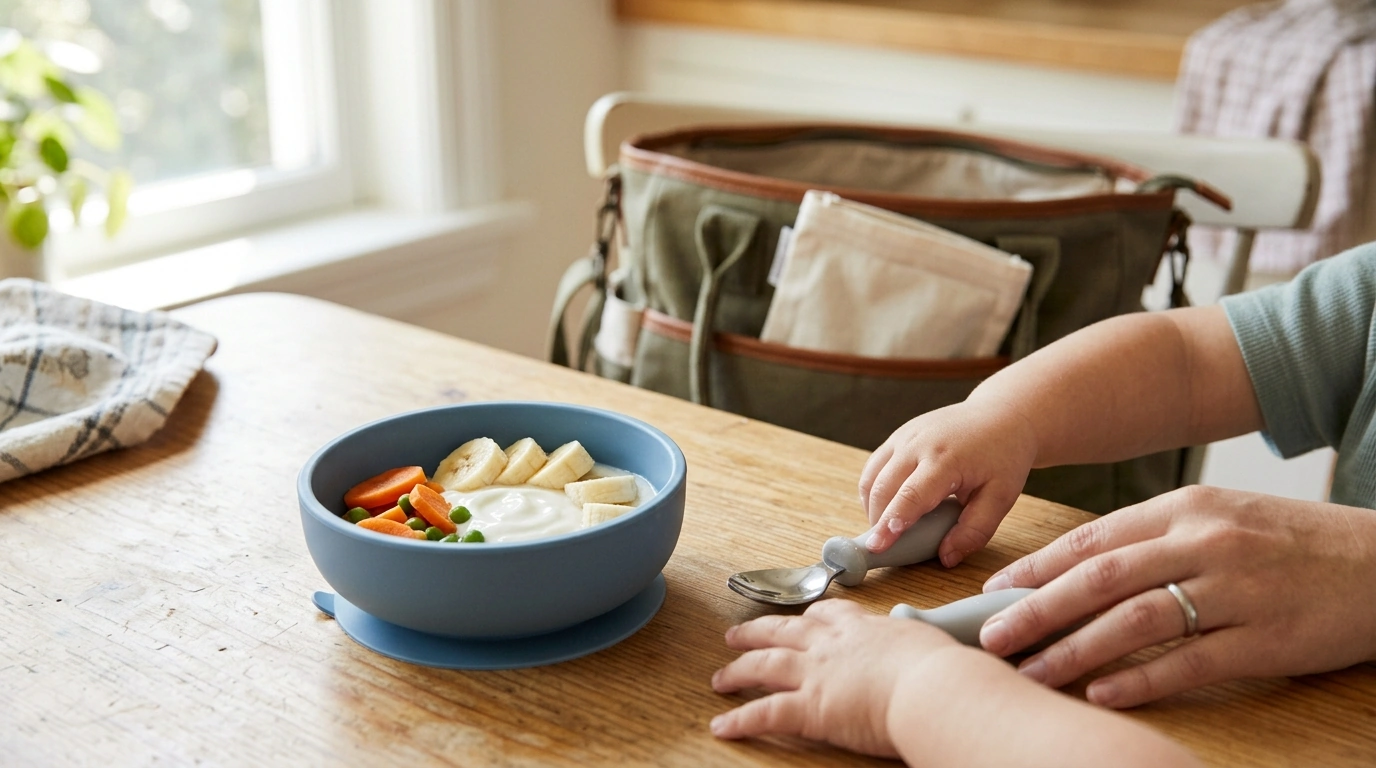
2PCS Baby Stainless Steel Silicone Spoon & Fork Set – Portable Training Utensils
Mealtime gets a lot easier when little ones have tools that match their stage. The 2PCS Baby Stainless Steel Silicone Spoon & Fork Set – Portable Training Utensils is a compact, everyday duo built for early self-feeding: durable stainless steel heads paired with softer silicone handles that feel comfortable in small hands. It’s sized for daily meals at home, and slim enough to toss into a diaper bag for daycare, travel, or quick restaurant stops—helping kids practice coordination while keeping cleanup straightforward.
What’s Included and Who It’s For
This set keeps things simple: one spoon and one fork designed to help babies and toddlers get consistent practice at the table.
- 2-piece set: one baby spoon and one baby fork to support a steady, repeatable routine.
- Made for training: works for early self-feeding practice as well as caregiver-assisted feeding.
- Portable size: easy to pack for on-the-go meals, daycare bags, and travel kits.
- Skill-building support: helpful for practicing grasping, wrist rotation, and bringing food to the mouth.
As always, children should be supervised during meals. If you’re just starting solids or moving from purees to more textures, guidance from trusted health sources can be helpful—see the American Academy of Pediatrics resource on starting solids at HealthyChildren.org.
Materials and Comfort in Hand
A training utensil needs to do two things well: feel manageable for a child and hold up to everyday use. This spoon-and-fork combo balances both.
- Stainless steel heads: designed for durability with a smooth food-contact surface that’s easy to wipe clean.
- Silicone handle area: softer feel that can reduce slipping, especially with wet hands.
- Balanced, lightweight feel: encourages controlled scooping and spearing without feeling bulky.
- Kid-friendly sizing: gentle edges and proportions suited for repeated daily practice.
For parents who like to understand material standards and food-contact basics, the FDA’s overview of food-contact substances offers useful context: FDA – Food Contact Substances.
Everyday Uses: From Purees to Finger Foods
Self-feeding is rarely all-or-nothing. Many families use a mixed approach—some finger foods, some assisted bites, and plenty of utensil practice in between.
- Spoon-friendly foods: yogurt, oatmeal, mashed vegetables, applesauce, and purees tend to “cling,” which helps early success.
- Fork practice: bite-sized pieces like banana slices, steamed veggies, soft pasta, and tender fruit can be easier to spear as skills improve.
- Mixed feeding support: works well alongside finger foods so kids can practice without pressure.
- Independence + backup: encourages “I do it” moments while still allowing a caregiver to guide when needed.
When trying new foods and textures, keep food safety top of mind. The CDC’s guidance on safe food handling for young children is a solid reference: CDC – Food Safety for Babies and Young Children.
How to Introduce Utensils Without the Frustration
Utensil skills build through repetition, not perfection. A few small adjustments can make practice sessions feel smoother for everyone.
- Start with thicker textures: foods like yogurt or oatmeal stay on the spoon longer, reducing early “empty spoon” disappointment.
- Begin with a pre-loaded spoon: offer a filled utensil first, then gradually reduce help as hand control improves.
- Keep meals short and calm: frequent low-pressure practice often works better than long, stressful attempts.
- Model the motion: scoop, level, bring to mouth—then pause and let the child try.
- Plan for mess: a suction bowl or placemat can limit spills and let kids focus on the movement.
Cleaning and Care for Long-Lasting Use
Good cleaning habits protect both the utensils and your routine—especially if the set travels between home, daycare, and outings.
- Wash after each use: pay attention to the junction between metal and silicone where residue can collect.
- Dry thoroughly: letting items dry fully before storing in a pouch or container helps reduce odor buildup.
- Avoid abrasive scrubbers: gentler sponges help keep the metal surface smooth over time.
- Replace when worn: if silicone becomes torn or sticky, or if metal develops roughness, swap for a fresh set.
Travel-Friendly Setup for Daycare and Outings
A dedicated travel set can save time and avoid last-minute scrambling for disposable cutlery that isn’t toddler-friendly.
If you’re building a small “out-and-about” routine, pairing a dedicated utensil kit with other parent-friendly essentials can help you stay consistent. For example, some families keep a digital bedtime tool ready for trips and late nights, like the AI-Powered Checklist for Better Sleep Adventures | Digital Sleep Guide for Relaxation, Lucid Dreaming & ai suggestions for better dreams.
Quick Reference: Set Overview
| Feature | Details |
|---|---|
| Pieces | 2 (spoon + fork) |
| Head material | Stainless steel |
| Handle material | Silicone |
| Primary use | Training utensils for self-feeding practice |
| Best for | Home meals, daycare, travel, and outings |
| Care | Wash, rinse thoroughly, and dry before storing |
When a Spoon-and-Fork Set Makes Sense
For a simple, ready-to-pack option, the 2PCS Baby Stainless Steel Silicone Spoon & Fork Set – Portable Training Utensils keeps utensil practice consistent wherever mealtime happens.
FAQ
What age is a training spoon and fork set usually best for?
Many babies start practicing around 6 months and up as solids begin, but readiness matters most: sitting with support, bringing food to the mouth, and showing interest in utensils. Close caregiver supervision is important at every stage.
Are stainless steel and silicone safe for baby utensils?
Food-grade stainless steel and silicone are commonly used in baby feeding products. Check that edges are smooth, the silicone is intact (not torn or sticky), and replace the utensils if any part becomes damaged or rough.
How should baby utensils be cleaned for travel and daycare?
Wash with soap and clean water, rinse well, and dry completely before packing into a clean case or container. Pay special attention to the seam where the metal head meets the silicone handle, and avoid storing the set while damp.









Leave a comment