How Often to Bathe Your Cat: Schedule, Signs & Tips
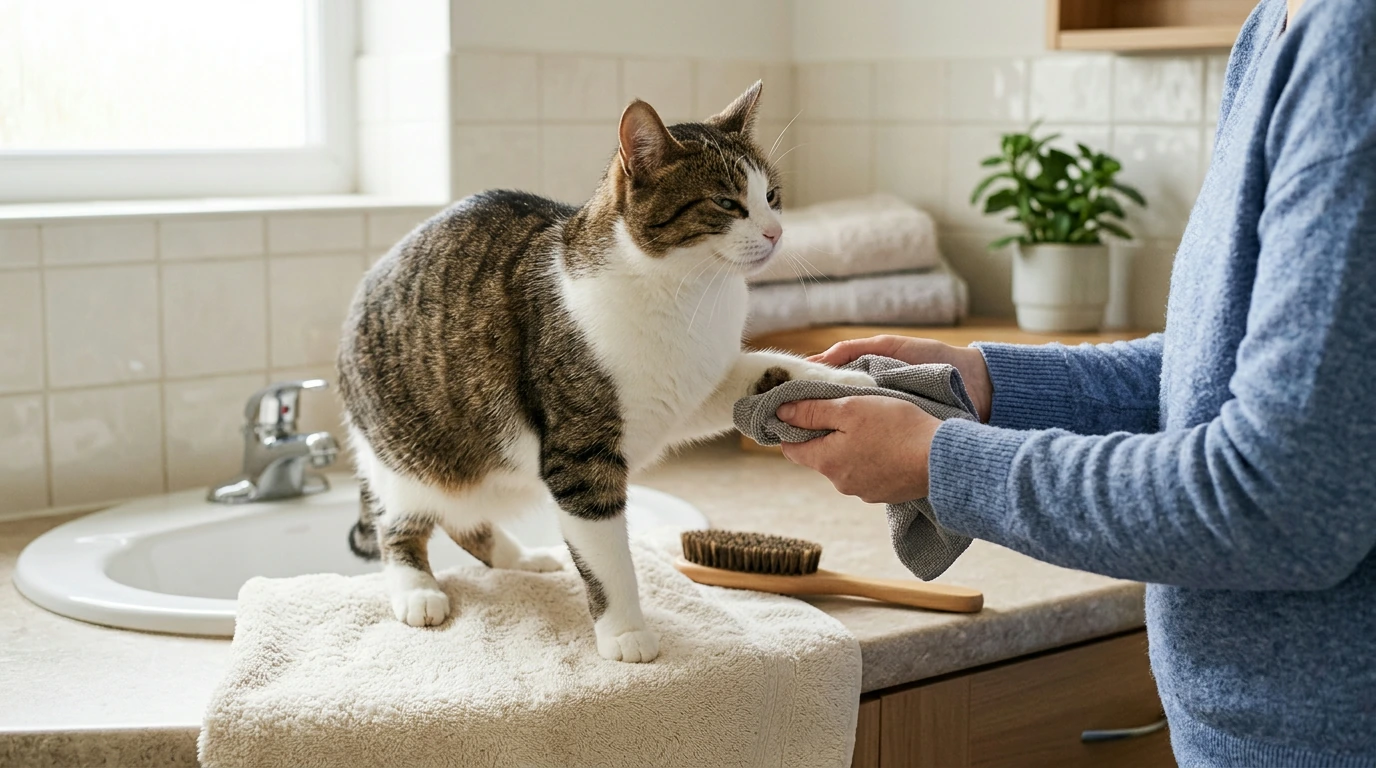
Cats are built for self-grooming, so most don’t need frequent baths. The right schedule depends on coat type, skin health, lifestyle, age, and whether there’s a medical or mess-related reason to bathe. This guide breaks down when bathing helps, when it can harm, and how to create a calm, repeatable routine that keeps skin and fur healthy.
Do Cats Actually Need Baths?
For most healthy indoor cats, routine bathing is optional—not required. A cat’s tongue and saliva are designed to lift debris and distribute natural oils that protect the skin barrier and keep the coat sleek.
Baths are most useful in specific situations: when something sticky or greasy gets on the coat, when allergens or heavy pollen exposure build up, when a veterinarian directs bathing for parasites or skin conditions, or when a cat can’t groom well due to age, obesity, or arthritis. Even then, “less but better” usually wins: thorough brushing, targeted spot-cleaning, and an occasional bath can keep the coat clean without stripping protective oils.
Over-bathing can dry out skin, worsen dandruff, and increase stress—sometimes leading to more shedding or overgrooming. A practical “bath plan” works best when it’s occasional and paired with regular brushing, nail trims, and small cleanups between baths.
How Often to Bathe: A Practical Schedule by Cat Type
Bath frequency isn’t one-size-fits-all. Coat type, activity level, and skin sensitivity matter more than a calendar date. Use the guide below as a starting point, then adjust based on how your cat’s skin and coat respond (and follow veterinary instructions when medicated bathing is prescribed).
| Cat profile | Typical cadence | Best alternative if a full bath is stressful | Notes |
|---|---|---|---|
| Healthy short-haired indoor cat | As needed (often infrequent) | Brush + pet-safe wipes | Avoid frequent shampooing to prevent dryness |
| Long-haired cat (prone to mats) | Occasional, when oils/mats build | Targeted “butt bath” + daily brushing | Mats often need brushing/clipper work, not extra bathing |
| Hairless cat | More frequent than coated cats | Warm damp cloth wipe-down between baths | Use gentle, fragrance-free products; watch for irritation |
| Senior/limited mobility cat | As needed for hygiene | Partial baths (rear/paws) + combing | Check for urine scald, dandruff, and hidden mats |
| Allergy/pollen exposure (seasonal) | Short-term, as advised | Rinse-only or wipe-down after exposure | Confirm product safety; consider allergen-reducing routines |
If you’re unsure whether bathing is helping or hurting, check the coat the next day. A healthy result looks soft, smooth, and comfortable (no flaking, redness, or increased scratching).
Signs It’s Time for a Bath (and When to Skip It)
When a bath is actually helpful
Choose a bath when brushing and spot-cleaning can’t solve the problem. Common triggers include a greasy feel, visible dirt, a sticky substance, litter residue clinging to paws or fur, a strong odor that persists after brushing, or contamination from vomit/diarrhea that could irritate skin if left in place.
When to skip or delay bathing
Delay bathing if your cat is ill, extremely stressed, recovering from surgery (unless your veterinarian instructs otherwise), has open wounds, or has untreated skin lesions that could worsen with washing. If you notice persistent itching, hair loss, scabs, oozing skin, ear odor/debris, or sudden dandruff changes, a veterinary check is a better first step than a bath.
If a toxin or chemical may be on the coat (paint, solvents, essential oils, pesticides), contact a veterinarian or poison control before bathing. Some substances can spread with water or increase absorption through the skin.
Bathing Options That Reduce Stress
Not every cleanup has to be a full bath. Many cats tolerate smaller, faster options that still protect coat health:
- Spot cleaning: A warm damp cloth or pet-safe wipes work well for paws, belly, and rear.
- Rinse-only bath: A warm water rinse (no shampoo) can help with light dust or pollen if your cat tolerates water.
- Partial baths: Focus only on the area that needs cleaning; keeping most of the body dry reduces stress.
- Grooming support: Brushing and gentle de-shedding combs often prevent grease buildup and tangles that lead to baths.
- Professional grooming: Consider this for cats that panic, bite, or have heavy matting—especially long-haired or senior cats.
For general grooming best practices and safety reminders, see the ASPCA’s cat grooming tips. For skin concerns that keep returning, Cornell’s overview of feline health topics can help you recognize when a vet visit is warranted.
Prep Checklist: Before, During, After
Before the bath
Set the scene
During the bath
After the bath
Product Support: A Simple Bathing Guide & Routine You Can Reuse
- Essential Cat Bathing Guide & Checklist
- Men’s Quick-Dry Short Sleeve Sports Shirt – Lightweight Workout & Running Top
For additional pet-care education and when to seek professional help, the American Animal Hospital Association (AAHA) Pet Owner Education library is a helpful reference.
FAQ
Is it bad to bathe a cat too often?
It can be. Frequent bathing may strip natural oils, dry the skin, and trigger flaking or irritation; most cats do best with “as needed” bathing. Exceptions include hairless breeds or veterinarian-directed medicated baths, where a specific schedule is important.
How often should an indoor short-haired cat be bathed?
Many indoor short-haired cats rarely need full baths if they’re brushed regularly. Bathe only when there’s grease, persistent odor after brushing, or a mess that can’t be handled with spot-cleaning.
What shampoo is safe for cats?
Choose a cat-specific shampoo that’s gentle and ideally fragrance-free. Avoid human shampoo, dog flea products not labeled for cats, and products containing essential oils; for medicated options, follow a veterinarian’s guidance.








Leave a comment